Restaurant App Developers (2026)
- Identify key features that modern restaurant apps require to enhance customer engagement.
- Understand the cost and scalability considerations when hiring restaurant app developers.
- Explore the latest technology stacks and trends shaping restaurant app development in 2026.
- Learn how to mitigate risks and maximize ROI through strategic app development partnerships.
In 2026, the demand for specialized restaurant app developers continues to grow as eateries seek innovative ways to engage customers and streamline operations. These developers focus on building intuitive, feature-rich applications that support online ordering, reservations, loyalty programs, and real-time analytics.
Choosing the right development team involves evaluating their expertise in mobile and web technologies, understanding the integration of payment gateways, and ensuring scalability to handle peak traffic. This article explores the essential aspects of restaurant app development, including cost factors, technology trends, and strategic implementation to help businesses thrive in a competitive market.
Continue Reading
What Do Restaurant App Developers Do?
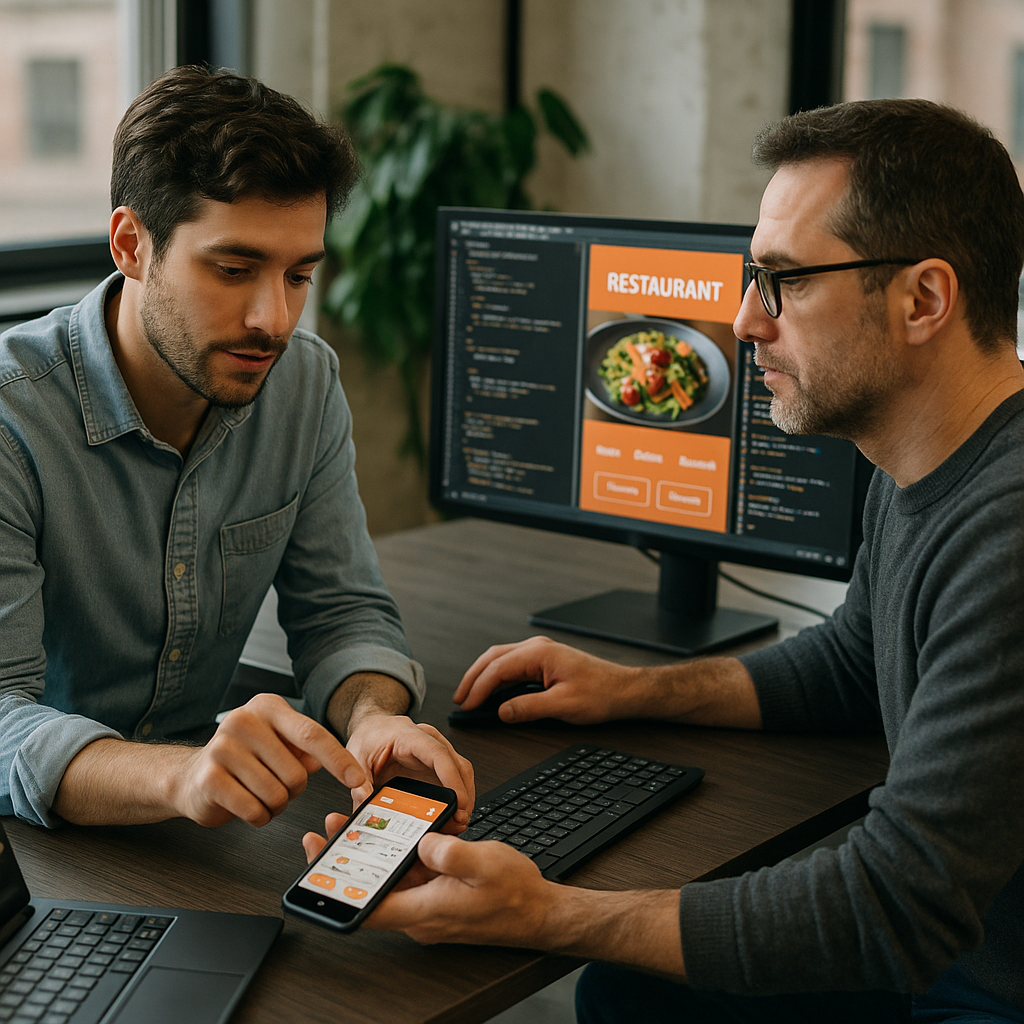
The primary role of restaurant app developers is to design, build, and maintain applications tailored specifically for the food service industry. These apps facilitate customer interactions such as browsing menus, placing orders, making reservations, and accessing loyalty rewards. Developers also ensure seamless integration with backend systems like inventory management and point-of-sale (POS) software.
By leveraging user-friendly interfaces and robust backend architecture, developers enhance the overall dining experience while providing restaurant owners with valuable insights through data analytics. Their work directly impacts customer retention, operational efficiency, and revenue growth.
Key Features of Successful Restaurant Apps in 2026
The modern restaurant app must combine convenience, personalization, and reliability. Here are essential features that developers focus on:
- Online ordering system with customizable menu options and real-time availability updates.
- Table reservation management with calendar integration and waitlist notifications.
- Loyalty and rewards programs to incentivize repeat business and increase customer lifetime value.
- Push notifications and personalized promotions based on user preferences and behavior analytics.
- Secure payment gateway integration supporting multiple payment methods including digital wallets.
- Real-time order tracking and status updates for delivery or pickup orders.
- Multi-platform support ensuring smooth performance on iOS, Android, and web browsers.
Choosing the Right Technology Stack
In 2026, restaurant app developers typically utilize a combination of front-end and back-end technologies optimized for performance and scalability. Common choices include:
- Front-end frameworks like React Native or Flutter for cross-platform mobile app development.
- Back-end technologies such as Node.js, Python Django, or Ruby on Rails to handle API requests and business logic.
- Cloud services like AWS or Google Cloud for hosting, storage, and scalable databases.
- Integration with third-party services including payment processors (Stripe, PayPal), mapping APIs, and customer relationship management (CRM) tools.
Choosing the right stack depends on project requirements, budget, and desired app features. Experienced developers can advise on the best combination to balance speed, cost, and maintainability.
Cost and Budget Considerations
The cost to develop a restaurant app varies widely based on complexity, platform, and developer expertise. Typical factors influencing budget include:
- Number of platforms targeted (iOS, Android, web).
- Feature set complexity such as advanced analytics or AI-based recommendations.
- Design requirements including custom UI/UX versus template-based approaches.
- Integration with existing restaurant management systems.
- Ongoing maintenance, updates, and support.
On average, a basic restaurant app can cost between $30,000 and $70,000, while more sophisticated apps with extensive features may exceed $150,000. Businesses should also budget for marketing and user acquisition to maximize app adoption.
Scalability and Performance Optimization
Scalability is critical for restaurant apps, especially during peak hours or promotional events. Developers implement strategies such as:
- Load balancing and auto-scaling cloud infrastructure to handle traffic spikes.
- Efficient database design to minimize latency and ensure fast data retrieval.
- Use of content delivery networks (CDNs) to speed up content loading worldwide.
- Regular performance testing and optimization to maintain smooth user experience.
Ensuring the app can scale seamlessly supports business growth and prevents revenue loss due to downtime or slow response times.
Risks and Challenges in Restaurant App Development
Developing a restaurant app involves several risks that must be managed carefully:
- Security vulnerabilities related to payment processing and user data privacy.
- Integration challenges with legacy POS or inventory systems.
- Changing customer expectations requiring frequent feature updates.
- Competition from third-party delivery apps and aggregators.
- Potential high development and maintenance costs without guaranteed ROI.
Partnering with experienced developers and adopting agile methodologies can mitigate these risks effectively.
How to Select the Best Restaurant App Developers
Choosing the right development partner is crucial for success. Consider these factors:
- Proven experience in building restaurant or food service apps with a strong portfolio.
- Expertise in the latest mobile app development frameworks and cloud technologies.
- Ability to provide end-to-end services including design, development, testing, and post-launch support.
- Strong communication skills and transparent project management.
- Positive client testimonials and references.
Engaging developers who understand the restaurant industry’s unique demands will ensure a tailored solution that drives business growth.
Future Trends in Restaurant App Development
Looking ahead, several trends are shaping the future of restaurant apps:
- Integration of AI and machine learning for personalized menu recommendations and dynamic pricing.
- Use of augmented reality (AR) to enhance menu visualization and customer engagement.
- Voice-activated ordering through smart assistants and IoT devices.
- Blockchain technology for secure and transparent supply chain tracking.
- Increased focus on sustainability features such as waste reduction tracking and eco-friendly delivery options.
Staying ahead of these trends will help restaurants maintain a competitive edge and meet evolving customer expectations.
Maximizing ROI from Your Restaurant App
To ensure a positive return on investment, restaurants should:
- Focus on user-centric design to boost app adoption and retention.
- Leverage data analytics to optimize marketing campaigns and menu offerings.
- Implement loyalty programs that encourage repeat purchases.
- Continuously update the app based on user feedback and emerging technologies.
- Promote the app through multiple channels including social media, in-store advertising, and partnerships.
Effective collaboration with your development team and a clear business strategy are essential to unlock the full potential of your restaurant app.
Summary
Restaurant app developers in 2026 play a pivotal role in transforming dining experiences through innovative technology solutions. By focusing on essential features, choosing the right technology stack, managing costs, and anticipating future trends, restaurants can build scalable, secure, and engaging apps that drive customer loyalty and revenue growth.
Frequently Asked Questions
Call To Action
Partner with expert restaurant app developers to create a customized, scalable, and user-friendly application that elevates your customer experience and drives business growth in 2026 and beyond.
[np_contact_btn]
Note: Provide a strategic conclusion reinforcing long-term business impact and keyword relevance.