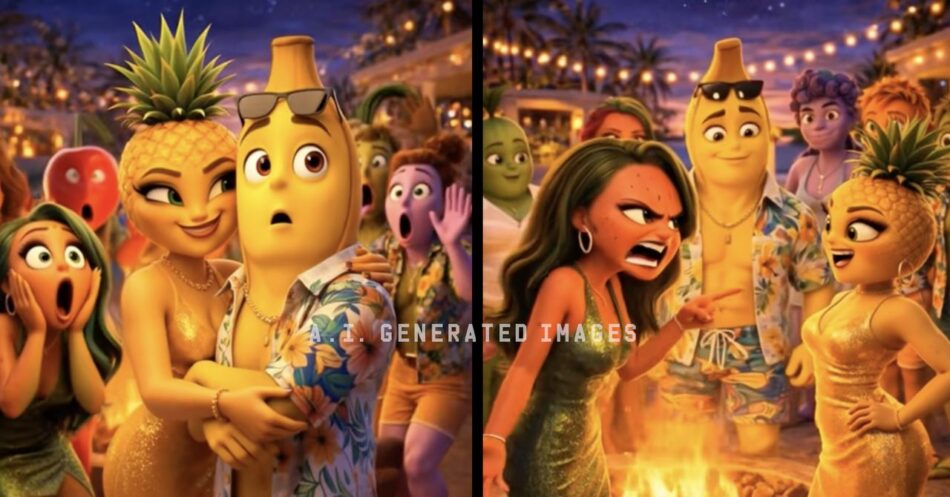
There’s Something Very Dark About a Lot of Those Viral AI Fruit Videos
- Viral AI fruit videos often depict misogynistic narratives and violent scenarios involving female fruit characters.
- Creators use text-to-video AI generators to produce highly engaging but controversial content that attracts millions of views.
- The popularity of these videos highlights growing concerns about AI-generated media ethics and the impact of algorithm-driven content on social platforms.
- Despite backlash and content removals, these AI fruit series demonstrate significant audience engagement and potential for monetization.
In recent weeks, a new wave of AI-generated fruit character videos has taken social media by storm, captivating millions with their bizarre and dramatic storylines. These viral AI fruit videos, featuring anthropomorphic fruits embroiled in scandal, violence, and dark humor, have sparked intense discussions around the implications of AI video generation and the underlying themes they portray.
While the colorful animations and quirky premises might seem lighthearted at first glance, a closer look reveals a disturbing trend of misogyny, abuse narratives, and social commentary embedded in these viral clips. This article explores the rise of AI fruit microdramas, their cultural impact, and the ethical questions they raise in the age of artificial intelligence content creation.
Continue Reading
What Are Viral AI Fruit Videos and Why Are They Popular?
Viral AI fruit videos are short, AI-generated clips featuring anthropomorphic fruit characters engaged in dramatic, often scandalous storylines. These videos have gained traction on platforms like TikTok and Instagram, where accounts such as FruitvilleGossip and Ai Cinema have amassed millions of views and followers in just days. The appeal lies in their combination of AI-generated animation, exaggerated drama, and relatable reality TV tropes.
The creator of Fruit Paternity Court, a UK-based computer science student, explained that the videos are designed to be “super dramatic and scandalous,” as such content garners the most views. Using text-to-video AI tools like Google Veo and Kling AI, creators craft engaging narratives that mimic popular reality shows but with fruit characters. This innovative use of AI technology taps into the audience’s fascination with both novelty and melodrama.
What Dark Themes Are Present in These AI Fruit Microdramas?
Despite their seemingly whimsical nature, many viral AI fruit videos contain unsettling themes. Female fruit characters are frequently portrayed in humiliating or violent scenarios, including cheating scandals, verbal abuse, and even physical violence. Some videos depict fruit babies being rejected or harmed, and others suggest acts of sexual violence or intense family dysfunction.
One recurring motif is the punishment of female fruit characters for trivial actions, such as farting, which results in expulsion or imprisonment. These narratives reflect a misogynistic undercurrent that mirrors problematic tropes found in certain reality television shows but without the oversight or ethical boundaries typically enforced in traditional media.
Jessica Maddox, a media studies professor, notes that these AI fruit dramas “mimic actual violence against women we see on reality television,” but without the safeguards that usually moderate such content. This lack of regulation allows for more extreme and aggressive portrayals, raising concerns about the impact on viewers and the normalization of harmful stereotypes.
How Are These AI Fruit Videos Created?
Creators rely on advanced AI video generation platforms that transform text prompts into animated scenes. For example, the Fruit Paternity Court creator shared a prompt used to generate a clip: “Anthropomorphic strawberry character with a sassy facial expression, small jeweled crown on her leaf, glossy red skin, thin cartoon arms and legs, hands on hips. Confident pose. Hyper-saturated colors, soft studio lighting, white background. Pixar-meets-brainrot style.”
These tools allow rapid production of episodic content with consistent characters and settings, enabling creators to release multiple videos quickly. The use of AI accelerates content creation while reducing costs, making it accessible to individual creators and small teams. However, the ease of production also means that controversial or harmful content can spread rapidly without editorial oversight.
What Is the Audience Reaction and Social Impact?
The AI fruit videos have generated a mix of enthusiasm and outrage. Fans actively engage by sharing memes, fan art, and commentary, while critics highlight the problematic themes. Some videos have been removed by platforms for violating community guidelines, but the overall trend continues to grow.
Pop culture figures like Zara Larsson have interacted with the content, indicating its reach beyond niche internet communities. Brands have also joined the conversation, commenting on videos and leveraging the trend for marketing. This intersection of AI-generated content with mainstream culture illustrates the growing influence of algorithm-driven entertainment.
Despite the controversy, many viewers appear genuinely entertained, suggesting a complex relationship between audience preferences and the content’s darker elements. The phenomenon raises important questions about the responsibility of creators and platforms in moderating AI-generated media.
What Are the Ethical and Business Implications of AI-Generated Viral Content?
The rapid rise of AI fruit videos spotlights key challenges in the evolving landscape of AI content creation. Ethically, the propagation of misogynistic and violent narratives through AI-generated media demands scrutiny. Without human oversight, AI can inadvertently amplify harmful stereotypes and normalize abusive behavior.
From a business perspective, these viral videos demonstrate significant monetization potential. Accounts with millions of views can eventually qualify for ad revenue sharing and sponsorships, creating lucrative opportunities. However, the novelty and controversial nature of the content also pose risks, including platform bans and public backlash.
Creators and platforms must balance engagement metrics with ethical considerations to foster a sustainable ecosystem for AI-generated entertainment. This includes developing content guidelines, improving AI training data to reduce bias, and promoting responsible storytelling.
How Do AI Fruit Videos Fit into the Broader AI Content Ecosystem?
AI fruit microdramas are part of a larger trend toward short-form, episodic AI-generated content designed for social media consumption. These microdramas resemble vertical scripted series that big tech companies are investing in, aiming to capture attention in crowded digital spaces.
Similar AI-driven projects include adaptations of popular TV series and original narratives that leverage AI’s speed and creativity. The fruit videos stand out for their unique combination of absurdity, drama, and dark humor, making them a notable case study in AI’s cultural impact.
As AI content generation tools become more sophisticated and accessible, the diversity and volume of AI-created media will continue to expand. This evolution will require ongoing dialogue about content ethics, audience influence, and the role of AI in shaping digital culture.
Practical Insights for Businesses and Creators
- Leveraging AI video generation can accelerate content production and drive high engagement when combined with compelling storytelling.
- Understanding audience preferences for drama and novelty is key to creating viral AI content, but ethical boundaries should guide narrative choices to avoid backlash.
- Monitoring platform policies and community guidelines is essential to maintain account health and avoid content removal.
- Brands can engage with viral AI trends to boost visibility but should carefully assess the alignment with their values and target audience.
- Investing in AI content moderation and bias reduction can help creators build sustainable and responsible AI-driven media businesses.
Frequently Asked Questions
Call To Action
Explore how AI video generation can transform your content strategy by delivering engaging, scalable, and innovative storytelling that resonates with modern audiences.
[np_contact_btn]
Note: Provide a strategic conclusion reinforcing long-term business impact and keyword relevance.