Microsoft’s Controversial Blog on Training AI with Pirated Harry Potter Books Removed
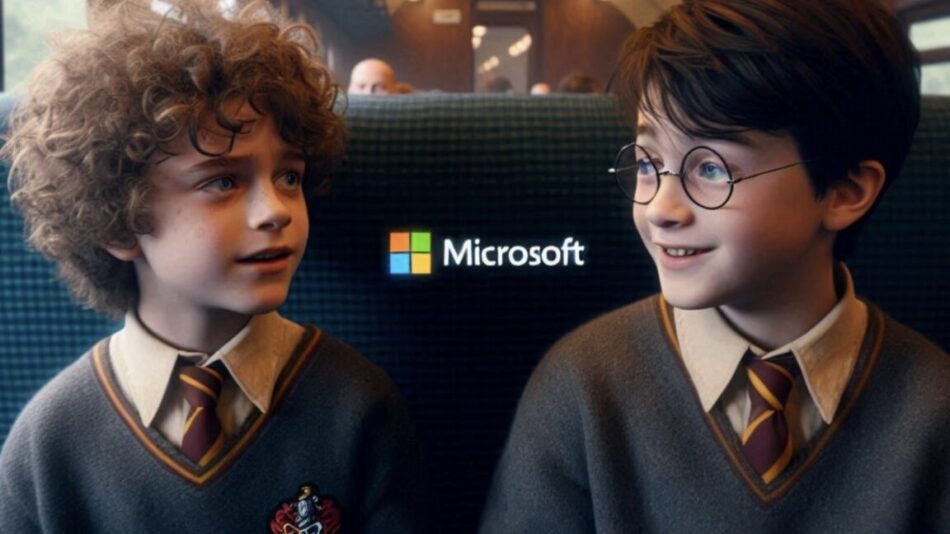
In February 2026, Microsoft faced significant backlash for a blog post that suggested developers use pirated Harry Potter books to train AI models. The post, which was quickly deleted, raised serious questions about copyright infringement and the ethical implications of using such datasets.
This incident highlights the complexities of intellectual property in the age of AI and machine learning, as well as the responsibilities of major tech companies in guiding their users.
Continue Reading
Background of the Incident
The blog post in question was authored by Pooja Kamath, a senior product manager at Microsoft, in November 2024. It aimed to promote a new feature that facilitated the addition of generative AI capabilities to applications using Azure SQL DB, LangChain, and large language models (LLMs).
Kamath’s blog suggested that developers could use a dataset containing the complete Harry Potter series to create engaging applications. The post highlighted the potential for building Q&A systems and generating new fan fiction, which would resonate with a wide audience of Harry Potter enthusiasts.
The Dataset Controversy
The dataset referenced in the blog was hosted on Kaggle and had been incorrectly marked as public domain. This misrepresentation was not caught for years, leading to over 10,000 downloads before the issue was identified. The dataset was promptly removed following inquiries from Ars Technica, which highlighted the potential copyright violations involved.
Shubham Maindola, the data scientist who uploaded the dataset, clarified that the public domain status was a mistake and emphasized that there was no intention to infringe on copyrights. However, this incident raised significant concerns regarding the ethical use of copyrighted material in training AI models.
Legal and Ethical Implications
Legal experts, such as Cathay Y. N. Smith, a law professor at Chicago-Kent College of Law, pointed out that Kamath may not have been fully aware of the copyright implications surrounding the Harry Potter books. The series, being relatively recent, is still under copyright protection, and using it for AI training without permission could lead to legal repercussions.
Smith noted that while the blog’s suggestion to use the dataset might not have been automatically infringing, it certainly raised red flags. The line between fair use and copyright infringement is often blurred, particularly in the realm of AI and machine learning.
The Backlash and Blog Removal
After the blog post was shared on Hacker News, it quickly garnered criticism for promoting the use of pirated materials. Commenters expressed disbelief that anyone familiar with the Harry Potter franchise would consider the books to be in the public domain. The backlash prompted Microsoft to delete the blog post, acknowledging the potential issues it raised.
Many industry observers noted that Microsoft was wise to retract the post, especially given the growing scrutiny AI companies face regarding copyright infringement. This incident serves as a reminder of the importance of understanding copyright laws in the context of AI infrastructure and data analytics.
AI Training and Copyright Issues
The incident underscores the broader challenges faced by companies in the AI space. As AI models are trained on vast amounts of data, including copyrighted works, the risk of infringement increases. Courts have generally ruled that training AI on copyrighted material can be considered fair use, but this is not a universally accepted principle.
As AI technology continues to evolve, the legal landscape surrounding its use will also need to adapt. Companies must navigate these complexities carefully to avoid potential legal pitfalls.
Potential Use Cases for AI in Literature
Despite the controversy, the potential applications of AI in the literary world are vast. Some legitimate use cases include:
- Q&A Systems: AI can be trained to answer questions about literary works, providing context-rich responses based on the text.
- Fan Fiction Generation: AI can assist writers in creating new stories, exploring alternate endings or new adventures.
- Text Analysis: AI can analyze literary works for themes, character development, and other literary elements.
These applications can enhance the reading experience and provide new ways for fans to engage with their favorite stories, provided they respect copyright laws.
Conclusion
The incident involving Microsoft’s blog serves as a cautionary tale for tech companies venturing into the AI landscape. As they explore innovative uses of machine learning and generative AI, they must remain vigilant about copyright issues and the ethical implications of their suggestions.
As the landscape of AI continues to evolve, companies must prioritize responsible practices and ensure that their innovations do not infringe on the rights of creators.
Frequently Asked Questions
The main issue was that it suggested developers use pirated Harry Potter books to train AI models, which raised significant copyright infringement concerns.
The dataset was incorrectly marked as public domain by the uploader, leading to its availability for download without proper copyright clearance.
Legitimate applications include creating Q&A systems, generating fan fiction, and conducting text analysis to explore themes and character development.
Call To Action
As the world of AI continues to expand, businesses must stay informed about copyright issues and ethical practices. Ensure your team is equipped with the knowledge needed to navigate these challenges effectively.
[np_contact_btn]
Note: This incident highlights the importance of understanding copyright laws in the context of AI and machine learning. Companies must prioritize responsible practices to foster innovation while respecting intellectual property rights.