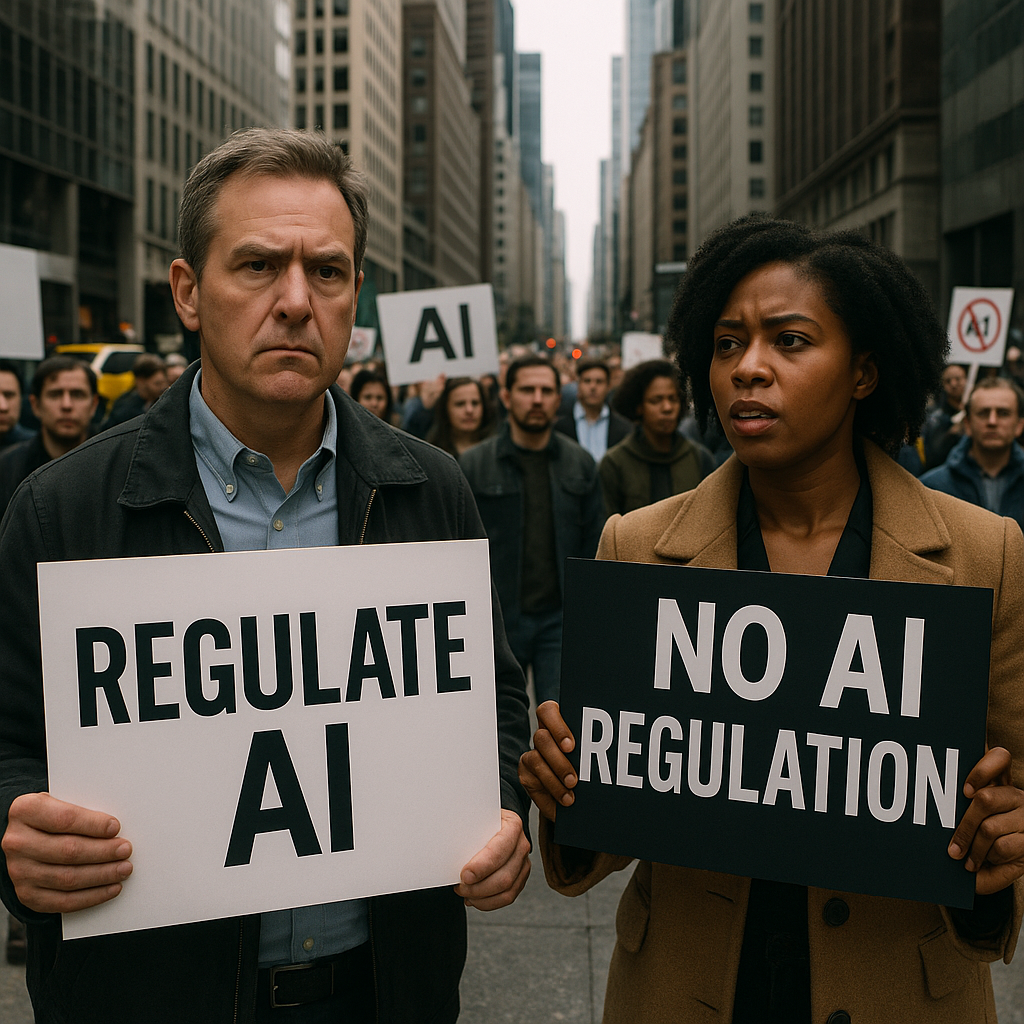
The ‘Claude-gap’ Relationship: One Partner Sleeps, Another Vibe Codes
- Understand the dynamics of the emerging ‘Claude-gap’ relationship where AI coding enthusiasm varies between partners.
- Learn practical strategies couples use to balance vibe coding with family and relationship time.
- Explore how AI-driven coding tools like Claude Code impact personal lives and relationship boundaries.
- Discover the challenges and benefits of integrating artificial intelligence passions into everyday partnerships.
The rise of AI-powered coding assistants has introduced a new dynamic in relationships, often dubbed the ‘Claude-gap’ relationship. This phenomenon describes couples where one partner is deeply engrossed in vibe coding—a creative, AI-assisted programming practice—while the other remains largely uninterested or unaware. As AI tools like Claude Code streamline complex tasks, they also reshape how couples negotiate time, attention, and shared interests.
Balancing the excitement of AI innovation with relationship harmony requires setting clear boundaries and understanding each partner’s passions. This article delves into real-life experiences of couples navigating the intersection of AI coding enthusiasm and personal connection, offering insights into managing this unique modern challenge.
Continue Reading
What Is the ‘Claude-gap’ Relationship?
The ‘Claude-gap’ relationship refers to a growing trend where one partner actively engages in vibe coding using AI tools like Claude Code, while the other partner shows little interest or understanding of this new digital passion. This gap can create a divide in communication and shared activities, as one partner spends late nights coding with AI, and the other pursues unrelated interests or simply rests.
Vibe coding is a form of creative programming enhanced by AI, allowing users to rapidly prototype, automate, and innovate with less manual effort. It often requires deep focus and extended sessions, which can disrupt traditional relationship rhythms. The term ‘Claude-gap’ captures the cultural and emotional distance that can emerge when one partner embraces AI-driven workflows and the other does not.
How Do Couples Experience and Manage Vibe Coding?
Couples experiencing the ‘Claude-gap’ relationship often report challenges explaining their AI projects and late-night coding sessions to their partners. For example, Brian Deagan, a VP of sales, uses Claude Code extensively but finds his long-distance girlfriend Leslie Kemelgor supportive yet confused by the technology. Their dynamic illustrates how physical distance can sometimes ease tension around differing interests.
Others, like Kendra Ramirez, who codes late into the night, face the challenge of seeking emotional validation from partners who do not share their enthusiasm. Ramirez’s husband, who works in construction and does not use laptops, offers minimal feedback, prompting her to share her projects with AI-savvy friends instead. This highlights the importance of finding supportive communities outside the immediate relationship.
Setting Boundaries to Preserve Relationship Quality
Many couples establish explicit rules to prevent vibe coding from interfering with family time. Todd and Diana Ponsky, for instance, agreed on no vibe coding while their children are awake, ensuring that AI projects do not encroach on parenting duties. Todd describes the need for “guardrails” to avoid the addictive nature of tweaking AI code endlessly.
Such boundaries help maintain a healthy balance between the excitement of AI innovation and the demands of personal relationships. They also prevent vibe coding from becoming a source of conflict or neglect.
What Are the Emotional and Social Impacts of AI Coding on Relationships?
The emotional impact of vibe coding varies. Some partners feel left out or disconnected due to the technical nature of AI projects, which can feel like a foreign language. Patricia Perkins describes her experience as a “smile and nod” response to her husband Aaron’s AI coding enthusiasm, reflecting a polite but limited engagement.
Conversely, vibe coders often experience a sense of exhilaration and fulfillment from bringing ideas to life with AI. For individuals like Aaron, who has ADHD, vibe coding provides a focused outlet that sustains attention and creativity. This juxtaposition can create both opportunities for personal growth and challenges in mutual understanding.
How Does AI Influence Work-Life Balance and Productivity?
AI tools like Claude Code significantly reduce the time required for complex tasks, transforming weeks of work into minutes. This efficiency can free up time for other activities but also tempts users to spend extra hours perfecting AI-generated projects. The “almost there” phenomenon, where users tweak outputs endlessly, can lead to late nights and blurred boundaries between work and personal life.
For some, AI coding becomes a passion akin to gaming or other immersive hobbies, providing joy and a sense of accomplishment. However, without conscious limits, it risks becoming a time sink that competes with family and social bonds.
Strategies for Sustainable AI Integration in Relationships
- Communicate openly about AI projects and their time demands to foster understanding.
- Set clear time boundaries, such as coding only after children’s bedtime or during designated hours.
- Encourage partners to share their interests and support each other’s passions, even if they differ.
- Find external communities or friends who share AI interests to reduce pressure on the relationship.
- Use AI tools mindfully, balancing productivity gains with quality personal time.
What Challenges Do Vibe Coders Face in Relationships?
Vibe coders often struggle to explain their work in accessible terms, leading to misunderstandings or disinterest from partners. The technical jargon and abstract nature of AI projects can create communication gaps. Additionally, the addictive potential of AI coding—driven by rapid feedback and creative possibilities—can strain relationships if not managed carefully.
Moreover, partners not engaged with AI may feel sidelined or unable to connect over this new passion, risking emotional distance. Couples must navigate these challenges by cultivating empathy, patience, and mutual respect.
How Is the AI Coding Revolution Reshaping Personal Lives?
The AI coding revolution is not only transforming industries but also reshaping how individuals allocate time and attention in their personal lives. As AI tools become more accessible and powerful, more people are drawn into vibe coding, creating new lifestyle patterns and relationship dynamics.
Couples must adapt to this change by negotiating new norms around technology use, leisure, and emotional connection. The ‘Claude-gap’ relationship exemplifies the broader societal shifts prompted by AI integration, highlighting the need for balance between innovation and intimacy.
Frequently Asked Questions
Call To Action
Discover how to harmonize AI innovation with your personal relationships by adopting mindful vibe coding practices and setting healthy boundaries today.
[np_contact_btn]
Note: Provide a strategic conclusion reinforcing long-term business impact and keyword relevance.