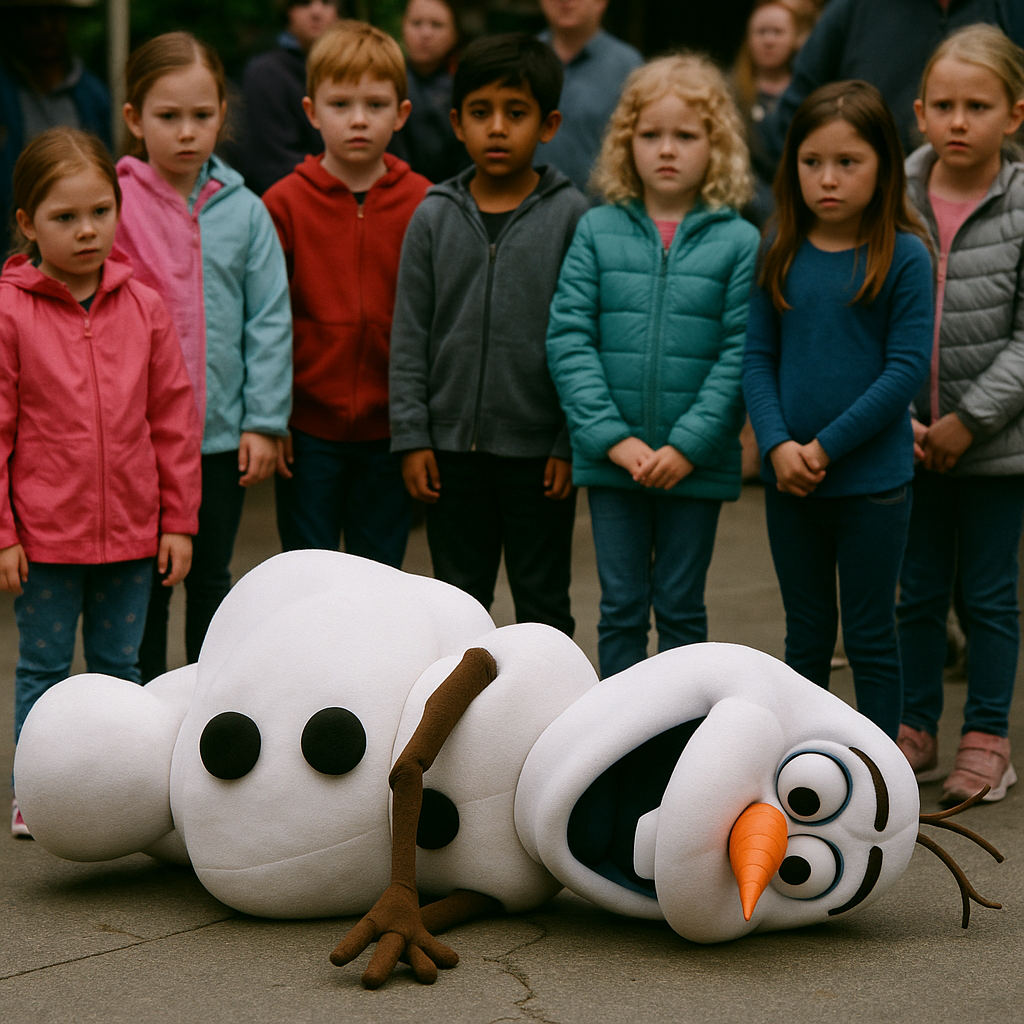
Disney’s AI Olaf Falls Down Dead In Front Of A Crowd Of Children
- Understanding the challenges of integrating AI in live entertainment settings.
- Analyzing the impact of AI malfunctions on audience experience and brand reputation.
- Exploring the technical and ethical considerations behind AI-powered character performances.
- Identifying strategies to improve reliability and safety in interactive AI robotics.
In a recent incident that captured widespread attention, Disney’s AI-powered Olaf character unexpectedly stopped functioning and collapsed during a live performance in front of a group of children. This event highlights the complexities and potential risks of deploying artificial intelligence and robotics in immersive entertainment environments. As companies increasingly rely on interactive AI characters to enhance guest experiences, understanding the causes and implications of such malfunctions becomes crucial for maintaining trust and safety.
The incident raises important questions about the technical reliability of AI-driven animatronics, the audience engagement impact when technology fails, and the broader ethical considerations of using machine learning systems in sensitive settings involving children. This article delves into the factors behind the Olaf AI failure, examines the lessons for future AI implementations in entertainment, and discusses how businesses can optimize their AI deployment strategies to prevent similar occurrences.
Continue Reading
What Happened During the AI Olaf Incident?
The AI-powered Olaf character, designed to interact with children at a Disney theme park, suddenly ceased all movement and communication during a scheduled performance. The animatronic, equipped with advanced natural language processing and robotic articulation systems, was intended to create a seamless and magical experience. Instead, the character fell down unexpectedly, causing concern among the children and staff present.
Initial reports suggest that the failure was due to a combination of software glitches and hardware malfunctions. The AI system controlling Olaf’s responses and movements experienced a critical error, leading to a shutdown of motor functions. This incident underscores the challenges of integrating complex AI systems in real-time, interactive environments where safety and reliability are paramount.
Why Do AI Animatronics Fail in Live Settings?
AI animatronics like Olaf rely on a fusion of machine learning algorithms, sensor data, and mechanical components to deliver lifelike performances. Failures can occur due to several reasons:
- Software bugs or unexpected input causing system crashes.
- Hardware wear and tear leading to mechanical breakdowns.
- Insufficient real-time processing capacity to handle complex interactions.
- Environmental factors such as temperature, humidity, or interference affecting sensors.
- Inadequate fail-safe protocols or emergency response mechanisms.
The combination of these factors can lead to unpredictable behavior or complete system failure, especially when AI characters are expected to perform continuously for extended periods.
How Does an AI Failure Affect the Audience and Brand?
When an AI character like Olaf malfunctions in front of children, it can disrupt the immersive experience and cause disappointment or distress. For parents and guardians, witnessing such an incident may raise concerns about safety and the reliability of technology used around their children.
From a business perspective, such failures can impact brand reputation and customer trust. Disney, known for its high standards in entertainment quality, faces the challenge of managing public perception and ensuring that technology enhances rather than detracts from the guest experience.
Effective communication and swift resolution are critical in mitigating negative effects. Disney’s response to the incident, including transparent updates and safety assurances, plays a key role in maintaining customer confidence.
Technical and Ethical Considerations in AI-Powered Entertainment
Deploying AI in settings involving children requires careful attention to both technical robustness and ethical responsibility. Key considerations include:
- Ensuring data privacy and protection when AI systems collect interaction data.
- Implementing transparent AI behavior so that children and parents understand the limits of AI interactions.
- Designing fail-safe mechanisms to prevent harm or distress during malfunctions.
- Regularly updating and testing AI systems to maintain performance reliability.
- Balancing automation with human oversight to intervene when necessary.
These factors are essential to creating a safe and enjoyable environment where AI characters can thrive as part of the entertainment experience.
Strategies to Improve AI Reliability in Live Performances
To reduce the risk of incidents like Olaf’s collapse, companies should adopt a multi-layered approach:
- Rigorous testing under varied conditions to identify potential failure points.
- Implementing redundant systems that can take over if primary components fail.
- Continuous machine learning model updates to improve interaction accuracy and responsiveness.
- Integrating real-time monitoring tools to detect anomalies and trigger immediate corrective actions.
- Training staff to manage AI malfunctions and reassure audiences effectively.
Such measures not only enhance the user experience but also protect the investment in AI technologies by minimizing downtime and negative publicity.
Cost and ROI Considerations for AI Animatronics
Investing in AI-powered characters involves significant upfront costs, including research and development, hardware procurement, and software engineering. However, the potential return on investment (ROI) can be substantial through:
- Increased visitor engagement and satisfaction leading to higher attendance.
- Enhanced brand differentiation by offering cutting-edge experiences.
- Operational efficiencies through automation of repetitive interactions.
- Opportunities for data-driven marketing based on interaction analytics.
Balancing these benefits against the risks of technical failures requires a strategic approach to AI scalability and maintenance budgeting.
Future Trends in AI for Entertainment Robotics
Looking ahead, advancements in deep learning, computer vision, and edge computing are expected to make AI animatronics more intelligent, responsive, and reliable. Innovations such as:
- Improved emotion recognition to tailor interactions.
- Enhanced autonomous navigation to move safely in crowded environments.
- Integration with augmented reality (AR) for richer storytelling.
will redefine how audiences engage with AI characters. However, these developments also necessitate ongoing attention to ethical AI deployment and robust system design to prevent incidents like the Olaf malfunction.
Conclusion: Lessons Learned from the Olaf AI Incident
The unexpected failure of Disney’s AI Olaf character serves as a valuable case study in the challenges of deploying interactive AI in live entertainment. It emphasizes the need for:
- Comprehensive technical safeguards and fail-safe protocols.
- Transparent communication strategies to maintain audience trust.
- Ongoing investment in AI system testing and maintenance.
- Ethical considerations when designing AI experiences for children.
By addressing these areas, entertainment companies can harness the power of AI to create magical experiences while minimizing risks and enhancing long-term business value.
Frequently Asked Questions
Call To Action
Enhance your entertainment offerings by partnering with AI technology experts to design reliable, engaging, and safe interactive experiences that captivate audiences and drive business growth.
[np_contact_btn]
Note: Provide a strategic conclusion reinforcing long-term business impact and keyword relevance.