Republicans Release AI Deepfake of James Talarico as Phony Videos Proliferate in Midterm Races
- Political campaigns increasingly use AI deepfakes to influence voter perception and attack opponents.
- Disclosure practices for AI-generated political ads vary widely, raising ethical and legal concerns.
- State laws on political deepfakes differ, with Texas enforcing strict regulations close to elections.
- Experts warn that hyper-realistic AI videos complicate efforts to combat disinformation in elections.
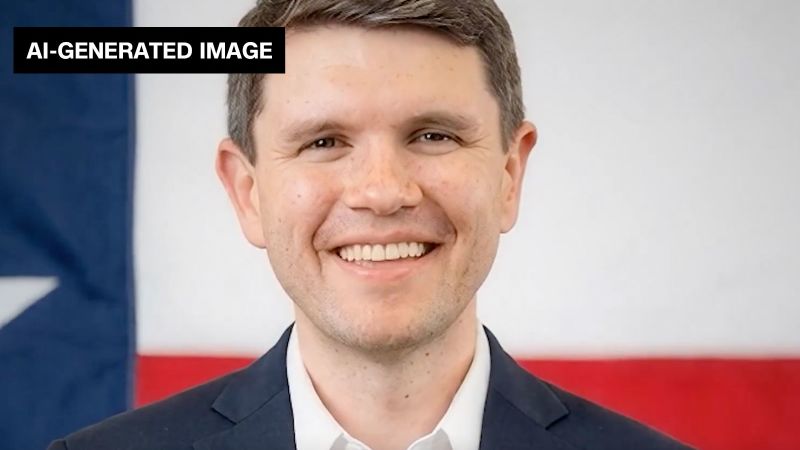
In the 2026 midterm election cycle, the use of AI deepfake technology has emerged as a controversial tool in political advertising, exemplified by the recent release of a deepfake video of Democratic Senate candidate James Talarico by the National Republican Senatorial Committee (NRSC). This synthetic video, which features a highly realistic but fabricated version of Talarico speaking directly to voters, signals a new frontier in campaign tactics where artificial intelligence-generated content is used to influence public opinion.
The proliferation of such AI-generated videos in political races has sparked urgent debates over the ethical use of deepfake technology, the adequacy of current legal frameworks, and the challenges of maintaining truthful discourse in election campaigns. As these synthetic media become more sophisticated and accessible, their impact on voter trust and election integrity continues to grow, making it imperative for stakeholders to understand the implications and responses to this evolving digital threat.
Continue Reading
What Is the James Talarico AI Deepfake and Why Does It Matter?
The NRSC released an 85-second AI-generated video featuring a fabricated version of James Talarico, the Democratic nominee for the US Senate race in Texas. This AI deepfake video shows a lifelike digital avatar of Talarico reading excerpts from his past tweets and making additional self-praising comments that the real candidate never made. Although the video includes a small, faint disclosure stating “AI GENERATED,” the realism of the imagery and audio makes it difficult for many viewers to immediately recognize it as fake.
This deepfake represents a significant escalation in the use of synthetic media in political campaigns, where previously AI was mostly used for brief clips or manipulated images. The ability to generate a convincing, extended video of a candidate speaking directly to voters opens new avenues for both persuasion and misinformation, raising questions about the future of political advertising ethics.
How Does AI Deepfake Technology Work in Political Campaigns?
Deepfake technology leverages advanced machine learning models, particularly generative adversarial networks (GANs), to create realistic videos and audio that mimic real individuals. In political campaigns, these tools can synthesize a candidate’s voice and facial expressions to produce videos that appear authentic but contain fabricated content.
Campaigns use this technology to highlight or distort opponents’ statements, often combining real quotes with fabricated commentary to influence voter perception. The NRSC’s video of Talarico, for example, uses actual tweets but adds AI-generated reactions that the candidate never expressed, demonstrating how AI-generated political content can blur the line between truth and fiction.
What Are the Legal and Ethical Challenges of AI Deepfakes in Elections?
The rise of AI deepfakes in politics has prompted calls for regulation, but legal responses remain fragmented. Texas has one of the strictest laws, criminalizing the creation and distribution of deceptive deepfakes within 30 days of an election if intended to harm a candidate. However, this law only applies shortly before elections and does not cover the entire campaign period.
Many other states require only disclosure that an ad was AI-generated, but enforcement and standards vary. The NRSC’s Talarico video includes a minimal disclosure that some experts argue is insufficient to prevent voter confusion. Meanwhile, opponents of regulation cite First Amendment rights and warn against censorship, complicating efforts to legislate this emerging technology.
What Are Experts Saying About the Impact of AI Deepfakes on Democracy?
Experts in digital forensics and political communication warn that hyper-realistic AI deepfakes threaten election integrity by spreading disinformation and eroding public trust. Hany Farid, a professor at UC Berkeley specializing in digital forensics, noted that the Talarico deepfake is “hyper-realistic” and would likely deceive many viewers.
Such videos can be weaponized to mislead voters, distort political debates, and amplify polarization. The rapid advancement of AI content generation tools means that political actors and malicious entities can produce convincing fake media at scale, complicating efforts to verify authenticity and maintain informed electorates.
How Are Political Campaigns and Legislators Responding to AI Deepfake Challenges?
Political campaigns are increasingly adopting AI tools both offensively and defensively. The NRSC’s use of AI to create attack ads reflects a strategic embrace of technology to gain an edge. Conversely, some campaigns and advocacy groups call for transparency and ethical guidelines to curb misuse.
Legislators at the federal and state levels debate proposals to require clear labeling of AI-generated political content, impose penalties for deceptive deepfakes, and fund technology to detect synthetic media. However, balancing regulation with free speech protections remains a contentious issue.
What Are the Practical Implications for Voters and Election Integrity?
-
Voter misinformation risks increase as AI deepfakes become more widespread, potentially influencing election outcomes based on false premises.
-
Detection tools and media literacy campaigns are essential to help voters identify synthetic content and critically assess political messages.
-
Political parties and watchdog organizations must develop rapid response strategies to counteract disinformation and maintain trust in electoral processes.
-
Transparency in AI usage and clear disclosures in political ads can mitigate confusion and uphold democratic norms.
What Is the Future Outlook for AI Deepfakes in Political Campaigns?
As AI video synthesis technology continues to improve, political campaigns will likely see more sophisticated and longer-form deepfake content. This evolution demands proactive measures, including stronger legal frameworks, technological detection advancements, and public education to safeguard election integrity.
Without coordinated action, the unchecked spread of synthetic media could undermine democratic processes by blurring the line between reality and fabrication in political discourse.
Summary
The NRSC’s AI deepfake of James Talarico highlights a pivotal moment in the intersection of artificial intelligence and political communication. While offering new tools for engagement and critique, AI-generated videos also pose serious risks to truthfulness and voter trust. Navigating this complex landscape requires collaboration between policymakers, technologists, campaigns, and the public to ensure that elections remain fair and transparent in the age of AI.
Frequently Asked Questions
Call To Action
Stay informed about the evolving role of AI deepfake technology in politics and safeguard your campaigns by adopting transparent, ethical AI practices and leveraging advanced detection tools to maintain voter trust.
[np_contact_btn]
Note: Provide a strategic conclusion reinforcing long-term business impact and keyword relevance.