Donny Osmond uses AI to sing with his 14-year-old self
- Leverage of AI technology in live performances to create unique audience experiences.
- Integration of digital avatars to revive iconic moments from an artist’s past.
- Strategies for sustaining entertainment industry relevance across multiple generations.
- Innovative use of stage technology to blend nostalgia with modern showmanship.
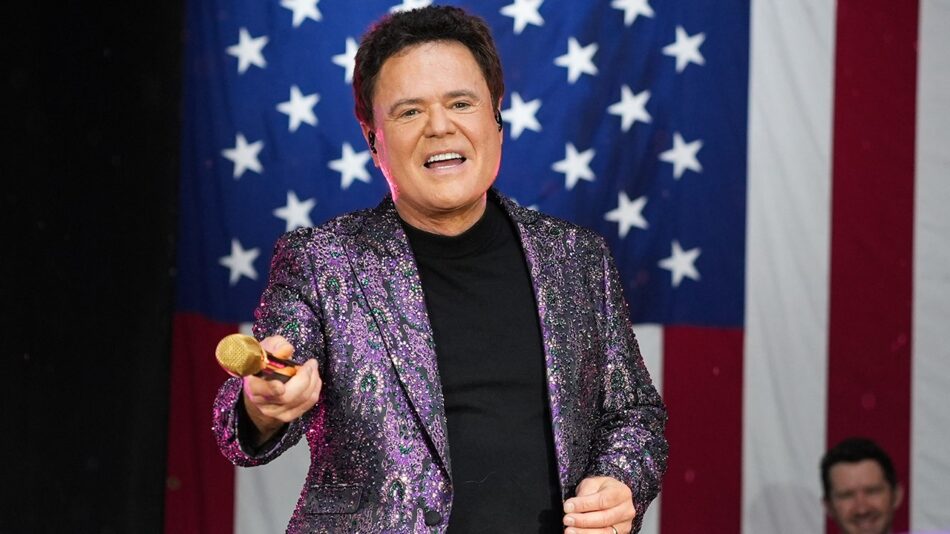
Donny Osmond, a legendary figure in entertainment, has embraced cutting-edge artificial intelligence to perform alongside a digital recreation of his 14-year-old self. This groundbreaking approach not only redefines live shows but also offers a fresh way to connect with diverse audiences spanning decades. By merging his youthful voice with modern AI, Osmond revitalizes his classic hits, creating an immersive experience that resonates with both longtime fans and new generations.
Through the innovative use of AI-generated vocals and digital avatars, Osmond’s Las Vegas residency at Harrah’s showcases how technology can transform traditional performances. This fusion of nostalgia and futuristic tools exemplifies a strategic evolution in entertainment, highlighting the potential of AI to enhance artist longevity and audience engagement in an increasingly digital world.
Continue Reading
How Donny Osmond Uses AI to Recreate His Teenage Voice
Donny Osmond’s use of AI voice synthesis technology allows him to duet live with a digital version of his 14-year-old self, recreating the youthful tone and timbre that made him famous in the 1970s. The process involves training advanced machine learning models on archival recordings of Osmond’s early performances, enabling the AI to generate authentic vocalizations that match his teenage voice with remarkable accuracy.
This technology is integrated seamlessly into his Las Vegas shows, where the digital avatar appears on stage through high-definition projection and synchronized audio playback. The AI-generated voice sings classic hits like “Puppy Love,” creating a nostalgic yet futuristic concert experience. This innovative approach not only delights fans but also demonstrates the practical application of digital twin technology in live entertainment.
Why Embracing AI Keeps Donny Osmond Relevant
Osmond’s career longevity is partly due to his willingness to evolve with technological advancements. While many artists rely solely on nostalgia, Osmond leverages AI-driven stagecraft to offer fresh experiences that appeal to multiple generations. His adaptability reflects a broader trend in the entertainment industry where technology is a key driver of audience engagement and brand revitalization.
By incorporating AI, Osmond bridges the gap between past and present, attracting older fans who cherish his early work and younger audiences intrigued by the innovative use of technology. This dual appeal helps maintain his relevance in a highly competitive market and opens new revenue streams through enhanced live shows and digital content.
Technical Insights: How AI and Stage Technology Work Together
The AI system behind Osmond’s performance involves several components:
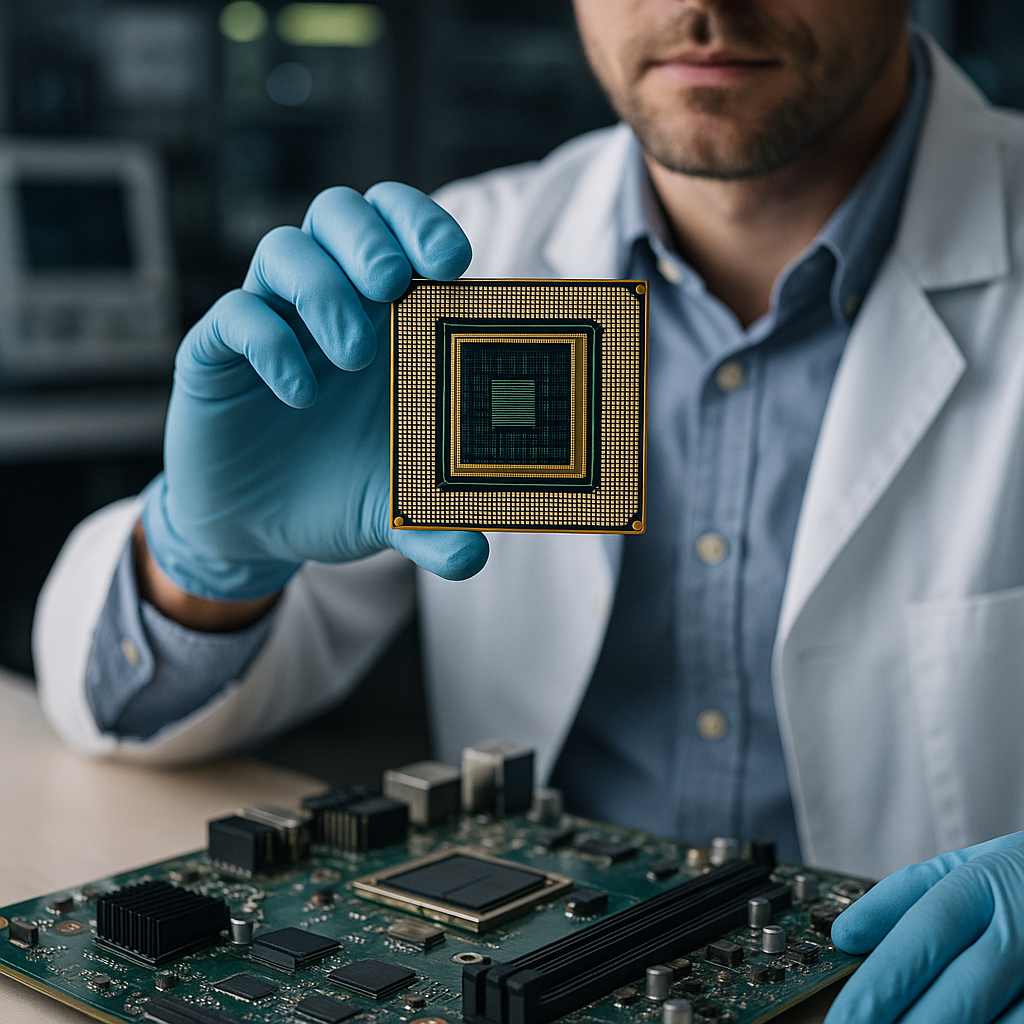
- Machine learning algorithms trained on decades of vocal recordings to replicate his teenage voice.
- Real-time synchronization of the AI-generated vocals with live instrumentation and Osmond’s current voice.
- High-definition holographic projections and stage lighting to create a visually compelling digital avatar.
- Custom software that manages timing, pitch correction, and interaction between the live performer and AI output.
This complex integration ensures a smooth, immersive experience that feels natural and emotionally engaging for the audience. The technology also allows for scalability, enabling similar applications for other artists and entertainment formats.
Business and Artistic Benefits of Using AI in Live Shows
Incorporating AI into live performances offers several strategic advantages:
- Enhanced audience engagement through unique and memorable experiences.
- Opportunities for brand differentiation in a crowded entertainment landscape.
- Potential for cost-effective production by automating certain performance elements.
- Extended career longevity by reinventing the artist’s image and repertoire.
For Donny Osmond, these benefits translate into sustained ticket sales, media attention, and a renewed cultural presence. The fusion of AI and artistry also positions him as a pioneer, inspiring other performers to explore similar innovations.
Challenges and Risks in Using AI for Artistic Performances
While AI offers exciting possibilities, there are inherent challenges:
- Ethical considerations around the use of digital likenesses and voice replication.
- Technical risks such as synchronization errors or system failures during live shows.
- Audience reception variability, where some fans may prefer traditional performances.
- Costs associated with developing and maintaining sophisticated AI and stage systems.
Addressing these risks requires careful planning, transparent communication with audiences, and ongoing technical support. Osmond’s success demonstrates that with the right approach, these challenges can be managed effectively.
Future Trends: AI’s Role in the Evolution of Live Entertainment
Donny Osmond’s innovative use of AI is part of a larger movement transforming live entertainment. Future trends include:
- More personalized concert experiences using AI-driven audience analytics.
- Virtual and augmented reality integrations for immersive performances.
- Collaborations between human artists and AI-generated performers.
- Expansion of AI applications in music composition, choreography, and production.
These developments promise to reshape how artists connect with fans and monetize their craft, making technology an indispensable tool in entertainment strategy.
Frequently Asked Questions
Call To Action
Explore how integrating AI technology can revolutionize your entertainment offerings and engage audiences in innovative ways—contact us today to start your transformation.
[np_contact_btn]
Note: Provide a strategic conclusion reinforcing long-term business impact and keyword relevance.