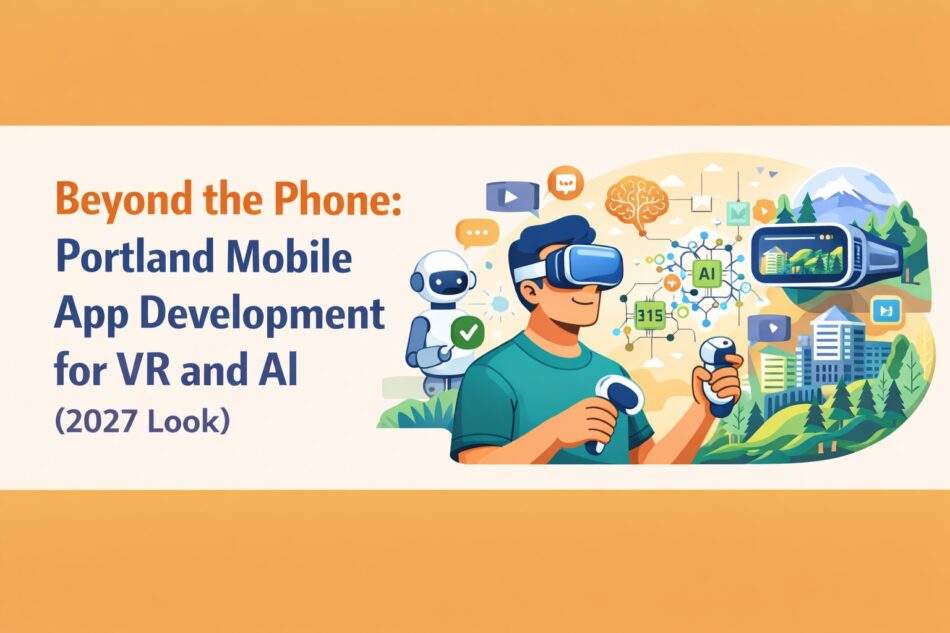
Beyond the Phone: Portland Mobile App Development for VR and AI (2027 Look)
The landscape of mobile app development is evolving at an unprecedented pace, particularly in vibrant tech hubs like Portland, Oregon. As we look towards 2027, the integration of Virtual Reality (VR) and Artificial Intelligence (AI) into mobile applications is set to redefine user experiences and business strategies. This article explores the current trends, challenges, and opportunities in mobile app development in Portland, focusing on VR and AI technologies.
The Current State of Mobile App Development
Mobile app development has transitioned from simple applications that serve basic functions to complex systems that leverage advanced technologies. As of 2023, the global mobile app market is valued at over $400 billion, and this figure is expected to grow exponentially in the coming years. Portland, known for its innovative tech scene, is at the forefront of this transformation.
Key Trends in Mobile App Development
- Increased Demand for AR and VR: With the rise of immersive technologies, businesses are increasingly looking to incorporate AR and VR into their apps to enhance user engagement.
- AI Integration: AI is being utilized for personalized user experiences, predictive analytics, and improved customer service through chatbots and virtual assistants.
- Cross-Platform Development: Tools like Flutter and React Native are gaining popularity, allowing developers to create applications that work seamlessly across different platforms.
- Focus on Security: As mobile apps handle sensitive data, security measures are becoming a priority in the development process.
Portland’s Unique Position in Mobile App Development
Portland has cultivated a unique ecosystem that supports mobile app development. The city is home to numerous tech startups and established companies that specialize in software development, making it an attractive location for talent and innovation.
Supportive Community and Resources
The tech community in Portland is characterized by collaboration and support. Organizations such as TechfestNW and local meetups provide a platform for developers to network, share knowledge, and collaborate on projects. Additionally, local universities and coding bootcamps are producing a steady stream of skilled developers, further fueling the growth of the industry.
Investment in Technology
Portland has seen significant investment in technology and innovation, with venture capital firms actively seeking to fund promising startups. This influx of capital is crucial for the development of cutting-edge applications that leverage VR and AI technologies.
The Role of VR in Mobile App Development
Virtual Reality is no longer confined to gaming; it is making inroads into various sectors, including education, healthcare, and real estate. As mobile technology advances, the integration of VR into mobile applications is becoming more feasible and appealing.
Applications of VR in Different Industries
- Education: VR can create immersive learning experiences, allowing students to explore complex subjects in an engaging manner.
- Healthcare: Medical professionals can use VR for training simulations, improving their skills without risking patient safety.
- Real Estate: Virtual property tours can enhance the home-buying experience, allowing potential buyers to explore properties remotely.
Challenges of Implementing VR in Mobile Apps
Despite its potential, integrating VR into mobile applications presents challenges. These include:
- Hardware Limitations: Not all mobile devices can support high-quality VR experiences, which can limit the audience.
- User Experience Design: Creating an intuitive and engaging VR experience requires specialized design skills and understanding of user behavior.
- Development Costs: The initial investment for developing VR applications can be significant, which may deter some businesses.
The Impact of AI on Mobile App Development
Artificial Intelligence is transforming how mobile applications function, enabling them to learn from user interactions and improve over time. From personalized recommendations to enhanced customer support, AI is becoming a fundamental component of mobile app development.
Key Applications of AI in Mobile Apps
- Personalization: AI algorithms can analyze user behavior and preferences to deliver tailored content and recommendations.
- Chatbots: AI-powered chatbots can provide instant customer support, improving user satisfaction and reducing operational costs.
- Data Analytics: AI can process large volumes of data to derive insights, helping businesses make informed decisions.
Challenges in AI Integration
While AI offers numerous benefits, integrating it into mobile applications comes with its own set of challenges:
- Data Privacy: Handling user data responsibly is crucial, and businesses must ensure compliance with regulations like GDPR.
- Algorithm Bias: AI algorithms can inadvertently perpetuate biases present in training data, leading to unfair outcomes.
- Technical Complexity: Developing AI-driven applications requires specialized knowledge and expertise, which can be a barrier for some companies.
Future Outlook for Mobile App Development in Portland
As we look towards 2027, the future of mobile app development in Portland appears promising. The combination of VR and AI technologies is expected to create new opportunities for businesses to engage with their customers in innovative ways.
Emerging Technologies
In addition to VR and AI, other emerging technologies such as blockchain and the Internet of Things (IoT) are likely to influence the mobile app development landscape. These technologies can enhance security, improve data management, and create more interconnected applications.
Collaboration Between Industries
The convergence of various industries will also play a significant role in shaping the future of mobile app development. For instance, partnerships between tech companies and healthcare providers can lead to the creation of applications that improve patient care through AI-driven insights.
Conclusion
Portland is poised to be a leader in mobile app development as it embraces the integration of VR and AI technologies. The city’s supportive ecosystem, coupled with a focus on innovation, will enable businesses to create applications that not only meet user needs but also push the boundaries of what is possible in the mobile space.
Frequently Asked Questions
Integrating VR into mobile applications offers immersive experiences, enhances user engagement, and provides innovative solutions across various sectors such as education and real estate.
AI is transforming mobile app development by enabling personalized user experiences, automating customer support through chatbots, and providing data analytics for informed decision-making.
Developers face challenges such as hardware limitations, user experience design complexities, data privacy concerns, and the technical expertise required for effective implementation of VR and AI technologies.
Call To Action
Are you ready to take your mobile app to the next level with VR and AI technologies? Partner with us to create innovative solutions that drive engagement and enhance user experiences.
[np_contact_btn]
Note: The integration of VR and AI into mobile app development is not just a trend; it is the future. Embracing these technologies will be essential for businesses looking to stay competitive in an increasingly digital world.