Flipper Zero, Everyone’s Favorite Legally Dubious Hacker Tool, Gets an AI Upgrade
- Discover how the integration of artificial intelligence enhances Flipper Zero’s hacking capabilities.
- Understand the practical applications and potential risks of AI-powered hacking tools in cybersecurity.
- Explore the impact of AI upgrades on the scalability and automation of penetration testing.
- Learn about the ethical considerations and legal boundaries surrounding AI-enhanced hacking devices.
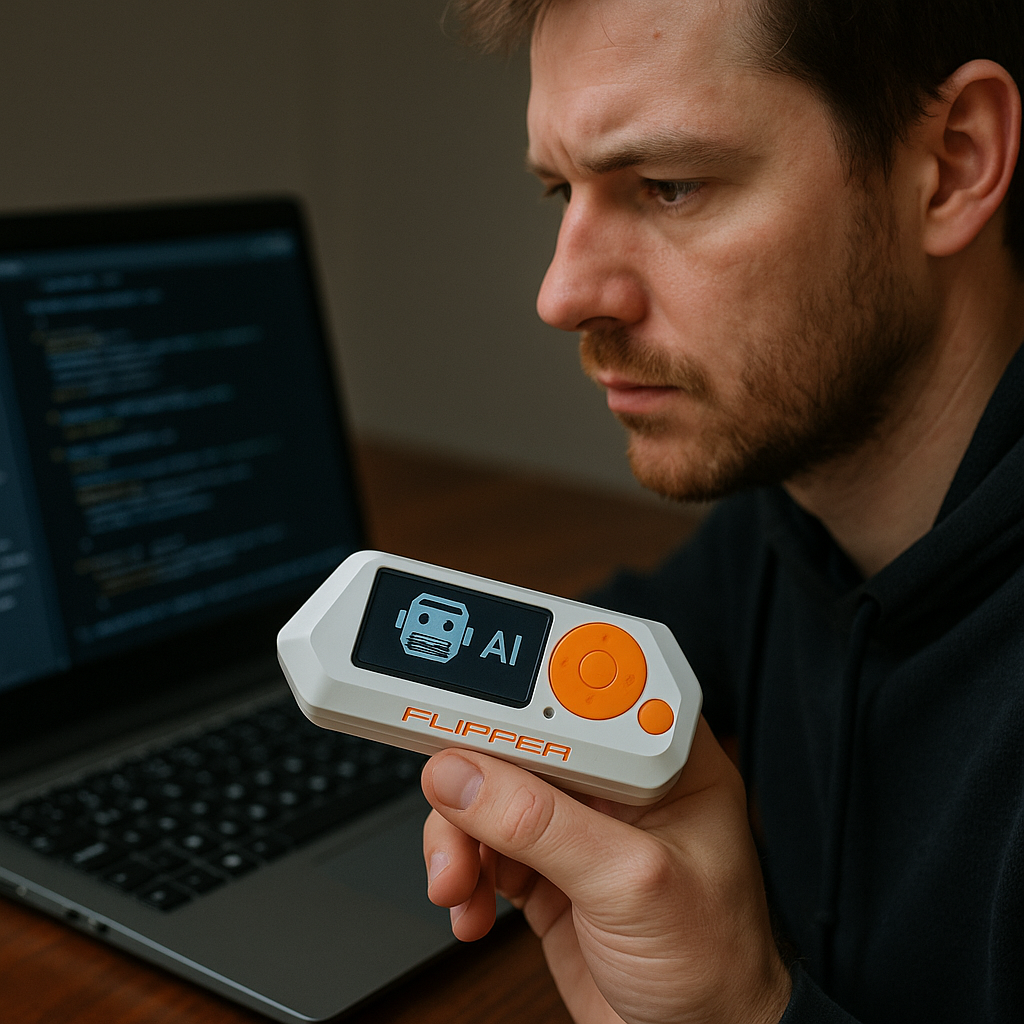
The Flipper Zero has long been a favorite among cybersecurity enthusiasts and hackers alike for its compact design and versatile hacking functions. Recently, this popular device has received a significant upgrade with the integration of advanced machine learning and artificial intelligence capabilities. This AI enhancement promises to revolutionize how users interact with the device, automating complex tasks and expanding its utility beyond traditional hacking methods.
With the AI upgrade, Flipper Zero is poised to become a more powerful tool for both ethical hackers and security professionals seeking to identify vulnerabilities efficiently. However, this advancement also raises important questions about the legal implications and ethical challenges of deploying AI-driven hacking tools. In this article, we delve into the technical improvements, practical applications, and broader consequences of Flipper Zero’s AI transformation.
Continue Reading
What Is Flipper Zero and Why Is It Popular?
Flipper Zero is a portable, open-source multi-tool designed for hardware hacking, penetration testing, and security research. It combines a variety of functionalities such as RFID reading and emulation, radio signal manipulation, infrared control, and GPIO pin access into a single handheld device. Its popularity stems from its user-friendly interface, affordability, and the ability to interact with a wide range of digital protocols.
As a penetration testing tool, Flipper Zero has been embraced by both hobbyists and professionals for its versatility. However, its capabilities have also sparked controversy due to potential misuse for unauthorized access or surveillance, highlighting the thin line between legal and illegal hacking activities.
How Does the AI Upgrade Enhance Flipper Zero?
The AI upgrade introduces machine learning algorithms and natural language processing to Flipper Zero’s core firmware. This allows the device to:
- Automate complex hacking sequences by learning from previous interactions and adapting strategies in real-time.
- Analyze intercepted signals and data streams more efficiently, identifying patterns that manual inspection might miss.
- Offer intelligent suggestions and troubleshooting tips through an AI-powered assistant interface.
- Enhance signal decoding accuracy across diverse protocols, improving success rates in penetration tests.
These improvements significantly reduce the manual effort required and expand the scope of hacking tasks that can be performed by users with varying levels of expertise.
Practical Applications of AI-Enhanced Flipper Zero
With AI integration, Flipper Zero is becoming a more effective tool for:
- Automated penetration testing in corporate environments, speeding up vulnerability discovery.
- Security audits for IoT devices, where diverse communication protocols require adaptive analysis.
- Wireless signal analysis and replay attacks with improved precision and reduced false positives.
- Educational purposes, helping cybersecurity students learn hacking techniques with AI-guided feedback.
These use cases demonstrate how AI can augment traditional hacking tools to meet the growing complexity of digital security challenges.
Scalability and ROI of Using AI-Powered Hacking Tools
Integrating AI into hacking devices like Flipper Zero enhances scalability by enabling batch processing of attack vectors and automated reporting. Organizations investing in such technology can expect:
- Faster identification of security gaps, reducing the time and cost of manual testing.
- Improved accuracy in vulnerability detection, minimizing false alarms and remediation efforts.
- Enhanced adaptability to emerging threats through AI’s continuous learning capabilities.
While the initial investment in AI-enabled tools may be higher, the long-term return on investment (ROI) is favorable due to increased efficiency and reduced labor costs.
Legal and Ethical Considerations
The AI upgrade in Flipper Zero intensifies existing concerns about the potential misuse of hacking tools. Key considerations include:
- Compliance with cybersecurity laws and regulations, which vary by jurisdiction and often restrict unauthorized access.
- The risk of automated attacks becoming more prevalent as AI lowers the barrier to executing sophisticated exploits.
- The ethical responsibility of users to deploy AI-powered tools strictly for authorized testing and research.
- The need for manufacturers to implement safeguards and usage policies to prevent abuse.
Balancing innovation with responsible use is critical to ensuring that AI-enhanced hacking tools contribute positively to cybersecurity.
Risks and Challenges of AI Integration
Despite its benefits, AI integration in hacking tools like Flipper Zero presents challenges such as:
- Potential security vulnerabilities within the AI algorithms themselves, which could be exploited.
- The possibility of AI-generated exploits that evade traditional detection methods.
- Increased complexity in managing and updating AI models embedded in hardware devices.
- Ethical dilemmas around autonomous hacking actions without direct human oversight.
Addressing these risks requires ongoing research, transparent development practices, and collaboration between the cybersecurity community and regulatory bodies.
Future Outlook: AI and the Evolution of Hacking Tools
The integration of AI into tools like Flipper Zero marks a significant milestone in the evolution of cybersecurity technology. Looking ahead, we can expect:
- More sophisticated AI-driven hacking platforms capable of multi-vector attacks and adaptive defenses.
- Greater emphasis on AI-powered defense mechanisms to counteract AI-enabled threats.
- Development of ethical frameworks and certification standards for AI hacking tools.
- Increased collaboration between AI researchers and cybersecurity experts to harness AI responsibly.
This dynamic interplay between offensive and defensive AI technologies will shape the future landscape of digital security.
How to Use AI-Enhanced Flipper Zero Responsibly
To leverage the power of Flipper Zero’s AI upgrade while maintaining ethical standards, users should:
- Obtain explicit permission before conducting penetration tests or security assessments.
- Stay informed about local laws and regulations governing hacking tools and AI usage.
- Use the AI features to augment, not replace, human judgment and expertise.
- Report discovered vulnerabilities responsibly to affected parties or through coordinated disclosure programs.
Responsible use ensures that AI-enhanced hacking tools contribute to strengthening cybersecurity rather than undermining it.
Conclusion
The AI upgrade to Flipper Zero represents a powerful convergence of artificial intelligence and hardware hacking, offering unprecedented capabilities for security professionals and enthusiasts. While this evolution brings efficiency and advanced functionality, it also necessitates careful consideration of legal and ethical boundaries. As AI continues to transform the cybersecurity landscape, tools like Flipper Zero will play a pivotal role in both empowering defenders and challenging adversaries.
Frequently Asked Questions
Call To Action
Enhance your cybersecurity strategy by integrating AI-powered tools like Flipper Zero to automate vulnerability detection and stay ahead of emerging threats.
[np_contact_btn]
Note: Provide a strategic conclusion reinforcing long-term business impact and keyword relevance.