As cattle herds shrink and beef prices rise, investors back AI cow collars
- AI-powered cow collars offer ranchers a scalable solution to labor shortages and rising operational costs.
- Investments in precision livestock technology are increasing as beef prices surge due to shrinking herds.
- Real-time monitoring through AI devices enhances herd health management and land use efficiency.
- Adoption of AI in cattle farming could stabilize beef supply chains and mitigate inflationary pressures.
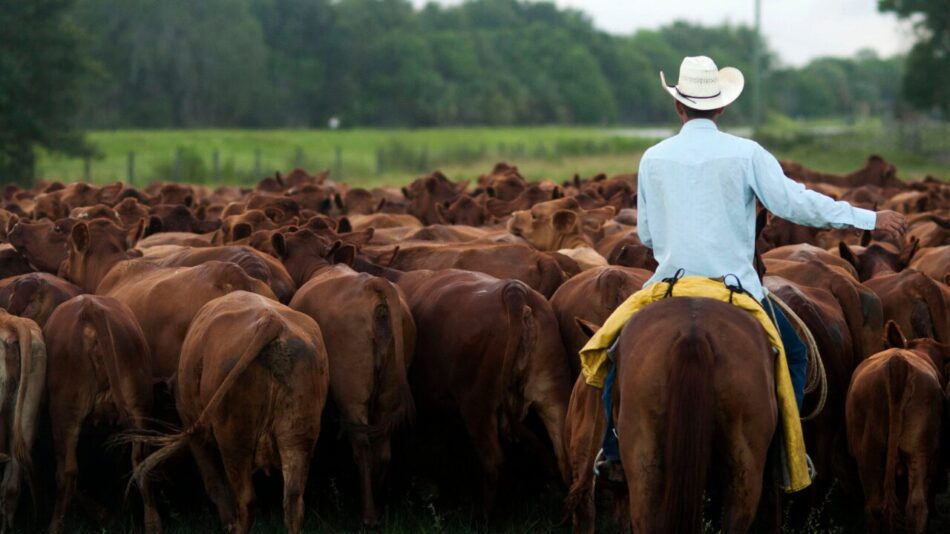
As the U.S. cattle herd reaches its smallest size in over seven decades, beef prices continue to climb, prompting investors to pour capital into innovative technologies like AI-enabled cow collars. These devices promise to revolutionize cattle management by reducing labor dependency and optimizing resource utilization.
With drought conditions, rising feed costs, and an aging ranch workforce challenging traditional cattle ranching, AI solutions are emerging as vital tools to sustain production and control expenses. This article explores how AI cow collars are reshaping the livestock industry and what it means for farmers, consumers, and investors alike.
Continue Reading
Why Are Cattle Herds Shrinking and Beef Prices Rising?
The shrinking cattle herds in the United States are primarily due to prolonged droughts, increased feed costs, and a declining number of ranch workers. These factors have forced many farmers to reduce herd sizes, which in turn has led to a tightening of beef supply. Consequently, beef prices have surged, impacting consumers nationwide.
Experts note that the U.S. cattle herd is at its smallest point in 75 years, a significant contraction that has not been matched by a corresponding drop in demand. This imbalance is a key driver behind the rising prices. Additionally, the aging demographic of ranchers and labor shortages have compounded operational challenges, pushing farmers to seek technological solutions to maintain profitability.
What Are AI Cow Collars and How Do They Work?
AI cow collars are wearable devices equipped with sensors and artificial intelligence algorithms designed to monitor individual cattle in real-time. These collars track a variety of data points including movement patterns, health indicators, grazing behavior, and location. By analyzing this data, the AI system can alert ranchers to potential health issues, optimize feeding schedules, and improve herd management efficiency.
The technology integrates GPS tracking, biometric sensors, and machine learning models to provide actionable insights. For example, early detection of illness or stress in an animal allows for prompt intervention, reducing losses and improving overall herd health. The collars also facilitate better land use by monitoring grazing patterns and preventing overuse of pasture areas.
How Are Investors Responding to AI in Cattle Farming?
Investor interest in AI-driven livestock technology is growing rapidly. A notable example is Halter, a New Zealand-based startup developing AI cow collars, which is currently in talks to raise funding exceeding $2 billion. This round is reportedly led by prominent investors such as Peter Thiel’s Founders Fund, signaling strong confidence in the market potential of precision livestock farming.
The rationale behind this surge in funding is the technology’s promise to reduce labor costs and increase operational efficiency, critical factors as ranchers face workforce shortages and rising expenses. Investors see AI cow collars as a scalable solution that can transform traditional cattle ranching into a more data-driven, automated industry.
What Are the Benefits of AI Cow Collars for Ranchers?
- Labor cost reduction: Automated monitoring reduces the need for manual herd checks, saving time and money.
- Improved animal health: Early detection of diseases and stress leads to better treatment outcomes and less mortality.
- Optimized land use: Monitoring grazing patterns helps prevent overgrazing and maintains pasture sustainability.
- Enhanced data analytics: Real-time insights enable smarter decision-making and operational adjustments.
- Scalability: The technology supports herd expansion without proportional increases in labor or costs.
What Challenges and Risks Are Associated with AI Adoption in Cattle Ranching?
Despite its advantages, integrating AI technology into traditional cattle farming presents challenges. Initial costs for devices and infrastructure can be high, which may deter smaller operations. Additionally, ranchers must adapt to new workflows and data management practices, requiring training and change management.
There are also concerns about data privacy and security, as sensitive farm data is collected and transmitted. Furthermore, reliance on technology introduces risks related to device malfunctions or connectivity issues, which could disrupt monitoring and decision-making processes.
How Does AI Technology Impact Beef Supply Chain and Consumer Prices?
By enhancing herd management and operational efficiency, AI cow collars can help stabilize beef production despite the shrinking herd sizes. This increased efficiency can moderate some of the upward pressure on beef prices by reducing losses and improving yield per animal.
Moreover, the technology supports sustainable land use, which is critical for long-term production viability. As ranchers adopt AI tools, consumers may eventually benefit from more stable prices and improved product quality. However, widespread adoption is necessary to realize these benefits at scale.
What Is the Future Outlook for AI in Livestock Farming?
The future of AI in livestock farming looks promising, with continued innovation expected in sensor technology, data analytics, and automation. As more investors back these solutions, the pace of adoption will likely accelerate, driving transformation across the cattle industry.
Integration with other agricultural technologies, such as drone surveillance and automated feeding systems, could further enhance efficiency. Additionally, AI-driven insights may support environmental sustainability efforts by optimizing resource use and reducing waste.
Practical Steps for Ranchers Considering AI Cow Collars
- Assess current herd management challenges to identify areas where AI can add value.
- Evaluate the total cost of ownership including device costs, connectivity, and training.
- Start with pilot programs on a subset of the herd to measure impact and refine processes.
- Partner with technology providers offering robust support and data security assurances.
- Plan for gradual scaling and integration with existing farm management systems.
Conclusion: Why AI Cow Collars Matter in Today’s Beef Market
As the beef industry grapples with shrinking herds and rising prices, AI cow collars represent a critical innovation that can help ranchers adapt and thrive. By leveraging artificial intelligence to improve herd health, reduce labor needs, and optimize land use, farmers can enhance productivity and sustainability.
Investor enthusiasm underscores the technology’s potential to reshape cattle farming and stabilize beef supply chains. For consumers, this could translate into more consistent pricing and better quality meat products in the long term.
Frequently Asked Questions
Call To Action
Explore how integrating AI-powered livestock monitoring can transform your cattle operation by reducing costs and enhancing productivity. Connect with technology experts today to pilot AI cow collars and future-proof your ranch.
[np_contact_btn]
Note: Provide a strategic conclusion reinforcing long-term business impact and keyword relevance.