How to Build a Minimalist’s Blog Site in 2026
In the fast-evolving digital landscape, creating a minimalist blog site has become an appealing choice for many content creators. Minimalism in web design emphasizes simplicity, usability, and functionality, allowing bloggers to focus on their content without distractions. As we move into 2026, the principles of minimalism remain relevant, but the tools and technologies available to build such sites have evolved significantly. This article will guide you through the steps to create a minimalist blog site that is both aesthetically pleasing and functionally robust.
Understanding Minimalism in Blogging
Before diving into the technical aspects of building a minimalist blog site, it’s essential to understand what minimalism means in this context. Minimalism is not just about having fewer elements on a page; it’s about enhancing user experience by eliminating unnecessary distractions. Here are some key principles of minimalist blogging:
- Focus on Content: The primary goal of a blog is to share ideas, stories, and information. A minimalist design ensures that the content takes center stage.
- Simple Navigation: A straightforward navigation structure helps users find what they are looking for without confusion.
- Clean Aesthetics: A visually appealing layout with ample white space can enhance readability and engagement.
- Responsive Design: With the increasing use of mobile devices, a minimalist blog should be designed to be responsive across various screen sizes.
Choosing the Right Platform
In 2026, there are several platforms available for building a minimalist blog site. Your choice will depend on your technical skill level, budget, and specific needs. Here are some popular options:
1. WordPress
WordPress remains one of the most popular content management systems (CMS) for bloggers. It offers a wide range of minimalist themes that are easy to customize. With plugins like Elementor or Gutenberg, you can create a clean layout without needing extensive coding knowledge.
2. Ghost
Ghost is a modern blogging platform focused on simplicity and speed. It is particularly suitable for writers who want a distraction-free writing environment. Ghost’s minimalist themes are designed to prioritize content, making it an excellent choice for a minimalist blog.
3. Static Site Generators
For those with technical expertise, static site generators like Jekyll or Hugo can be ideal. These tools allow you to build fast, secure, and minimalist blogs by generating static HTML files. This option requires some knowledge of coding but offers maximum flexibility and performance.
Designing Your Minimalist Blog
Once you have chosen a platform, the next step is to design your blog. Here are some essential design elements to consider:
1. Choosing a Minimalist Theme
Select a theme that reflects minimalism. Look for features such as:
- Simple color schemes (black, white, and one or two accent colors)
- Clean typography that enhances readability
- Ample white space to avoid clutter
2. Customizing Your Layout
Customize your layout to ensure that it aligns with minimalist principles. Focus on:
- Single-column layouts that prioritize content
- Clear headings and subheadings for easy navigation
- Consistent spacing between elements
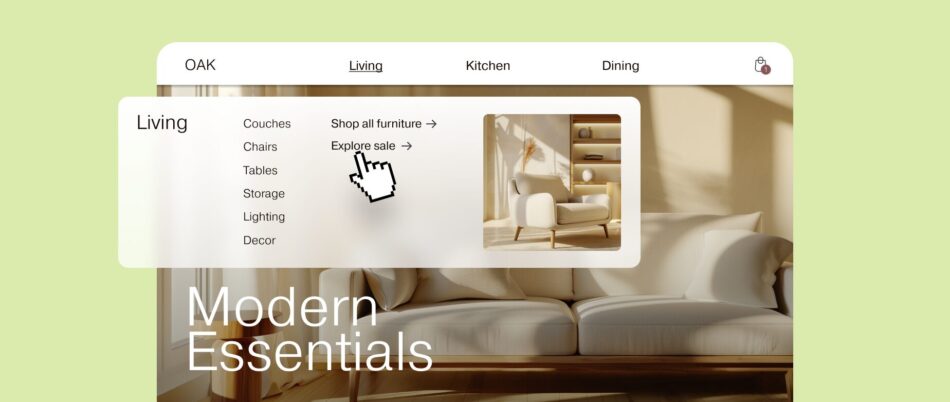
3. Implementing Simple Navigation
Your navigation menu should be straightforward. Consider including:
- Home
- About
- Blog
- Contact
Avoid overcrowding your menu with too many options. A minimalist approach is to keep it simple and intuitive.
Creating Quality Content
Content is the heart of any blog. Here are some tips for creating quality content that resonates with your audience:
1. Define Your Niche
Identify the specific topics you want to cover. A well-defined niche helps attract a targeted audience and establishes your authority in that area.
2. Write Engaging Posts
Focus on creating engaging and valuable content. Use the following strategies:
- Start with a compelling headline to draw readers in.
- Use short paragraphs and bullet points for easier reading.
- Incorporate images or videos to complement your text without overwhelming it.
3. Optimize for SEO
Search Engine Optimization (SEO) is crucial for driving traffic to your blog. Implement basic SEO practices such as:
- Using relevant keywords throughout your posts
- Creating meta descriptions for each post
- Utilizing alt text for images
Promoting Your Minimalist Blog
After creating your blog and publishing content, the next step is to promote it. Here are some effective strategies to consider:
1. Leverage Social Media
Share your blog posts on social media platforms where your target audience is active. Use visually appealing graphics and engaging captions to attract clicks.
2. Engage with Your Audience
Respond to comments on your blog and engage with your readers on social media. Building a community around your blog can increase loyalty and encourage sharing.
3. Collaborate with Other Bloggers
Guest blogging and collaborations can introduce your blog to new audiences. Look for opportunities to write for other blogs or partner with fellow bloggers in your niche.
Maintaining Your Minimalist Blog
Once your blog is up and running, it’s essential to maintain it effectively. Here are some maintenance tips:
1. Regular Updates
Keep your content fresh by regularly updating your blog with new posts. Aim for a consistent posting schedule that works for you.
2. Monitor Performance
Use analytics tools to track your blog’s performance. Monitor metrics such as page views, bounce rates, and user engagement to identify areas for improvement.
3. Stay Informed on Trends
The blogging landscape is continually evolving. Stay informed about new trends, tools, and best practices in blogging and web design to keep your site relevant.
Frequently Asked Questions
A minimalist blog design enhances user experience by reducing distractions, improving readability, and allowing content to take center stage. It also typically results in faster loading times and easier navigation.
Promote your minimalist blog by leveraging social media, engaging with your audience through comments and social interactions, and collaborating with other bloggers to reach new audiences.
In 2026, popular platforms for building a minimalist blog include WordPress, Ghost, and static site generators like Jekyll and Hugo. Each platform offers different features suited to various skill levels and needs.
Call To Action
If you’re ready to share your thoughts and ideas with the world through a minimalist blog, start today! Choose your platform, design your site, and begin creating content that resonates with your audience.
[np_contact_btn]
Note: Building a minimalist blog site in 2026 requires a thoughtful approach to design, content creation, and promotion. By focusing on simplicity and user experience, you can create a blog that stands out in the digital landscape.