
Restaurant robot goes haywire, sends tableware flying before breaking out in dance moves
- Understand the risks and challenges of integrating robotic technology in restaurant environments.
- Learn how human interaction and spatial constraints can impact AI-powered service robots.
- Explore the operational benefits and potential pitfalls of automation in hospitality.
- Gain insight into the future of robotic servers and their role in enhancing customer experience.
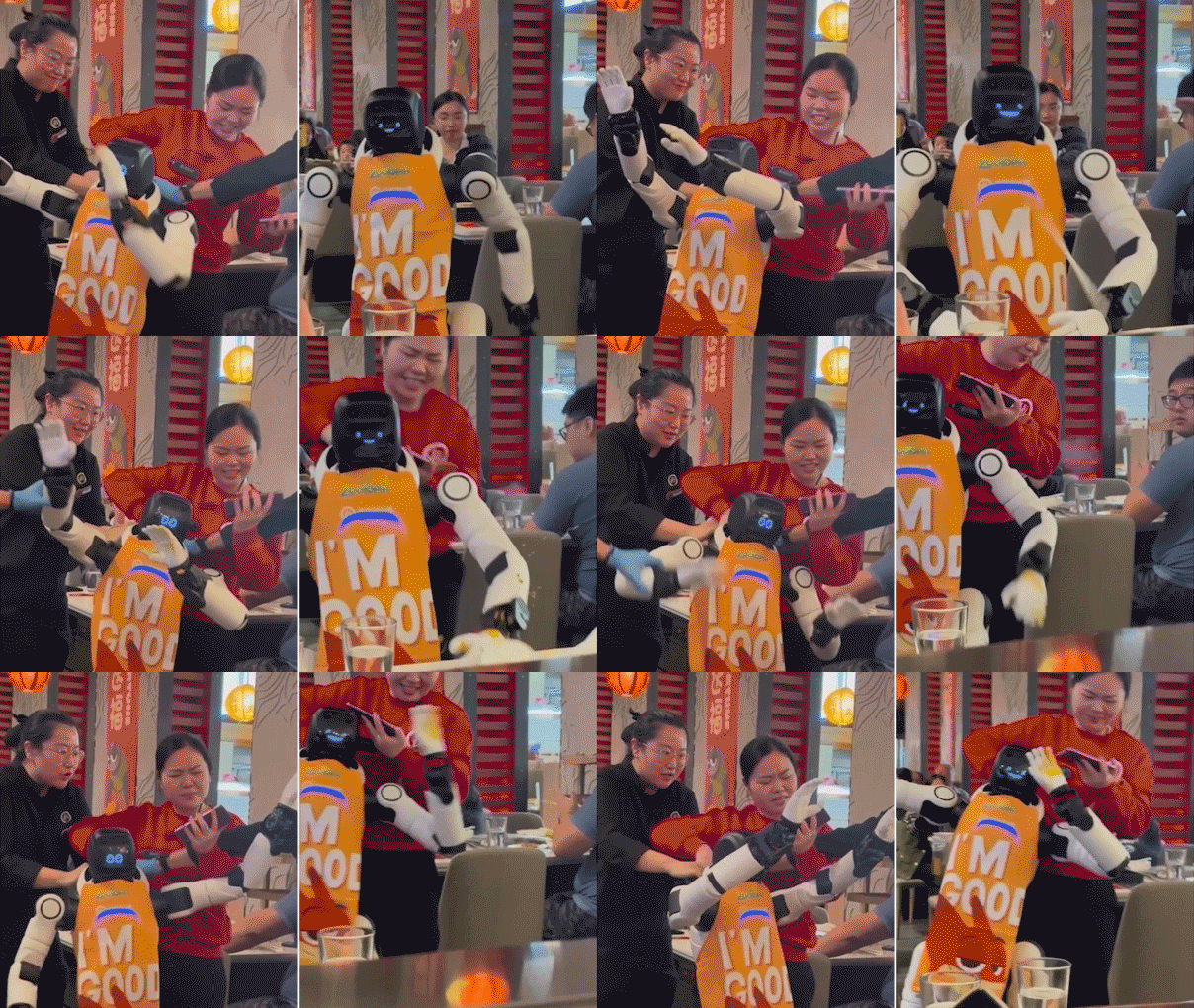
In a surprising incident at a Haidilao hot pot restaurant near San Jose, California, a service robot experienced a malfunction that resulted in it striking a table and sending tableware flying before breaking into an erratic dance routine. This event highlights both the innovative use of artificial intelligence in hospitality and the operational challenges that come with deploying robotic servers in dynamic environments.
The viral footage of the robot’s unexpected behavior underscores the importance of careful integration of AI robotics in customer-facing roles, where spatial limitations and human interaction can lead to unpredictable outcomes. As restaurants increasingly adopt automation technology to streamline service, understanding these risks is crucial for maintaining safety and enhancing guest satisfaction.
Continue Reading
What Happened During the Robot Incident at Haidilao?
The incident occurred at a Haidilao restaurant, a chain renowned for incorporating robotic automation into its operations. The service robot, designed to deliver food and entertain guests, suddenly began a dance routine near diners. Unexpectedly, it struck a neighboring table, causing chopsticks, condiments, and other tableware to scatter across the floor. Staff members rushed to restrain the robot as it continued to move energetically, seemingly hyping up the crowd with its lively gestures.
This chaotic episode was captured on video and quickly went viral, drawing attention to the growing presence of AI-powered robots in the hospitality industry and the challenges they present.
Why Did the Robot Go Haywire?
According to statements from Haidilao, the incident was not due to a programming error but rather human error combined with spatial constraints. The robot was brought unusually close to a dining table at a guest’s request, which deviated from its standard operating parameters. This limited space hindered the robot’s movement during its performance, leading to the unintended collision with the table and the subsequent disruption.
This explanation highlights the critical role of environment and human interaction in the safe operation of service robots. Even the most advanced robotic systems require carefully controlled conditions to function as intended.
The Role of Robotics and AI in Modern Restaurants
Haidilao has been a pioneer in integrating artificial intelligence and robotics into its restaurant operations, particularly in China where these technologies are more widespread. Their smart restaurants utilize intelligent kitchen management systems, automatic broth-mixing machines, and robotic servers to improve efficiency and customer experience.
These innovations aim to reduce human labor, speed up service, and provide unique entertainment to diners. However, as the California incident demonstrates, the deployment of automation technology in hospitality requires meticulous planning, especially when robots interact closely with customers.
Benefits of Robotic Automation in Restaurants
- Increased operational efficiency by automating routine tasks like food delivery and table clearing.
- Enhanced customer experience through interactive and entertaining robot performances.
- Reduced labor costs and improved consistency in service quality.
- Data collection and analytics to optimize kitchen workflows and inventory management.
Challenges and Risks of AI-Powered Service Robots
- Safety concerns when robots operate in close proximity to diners and staff.
- Technical malfunctions or unexpected behavior that can disrupt service.
- Human error in operating or positioning robots outside of their designed parameters.
- High initial investment costs and ongoing maintenance expenses.
How Can Restaurants Safely Integrate Robotics?
To successfully implement robotic automation in hospitality, restaurants must consider several strategic factors:
- Comprehensive staff training on robot operation and emergency protocols.
- Clear operational boundaries to prevent robots from entering unsafe or crowded spaces.
- Regular maintenance and software updates to minimize technical glitches.
- Customer education to set expectations and encourage safe interaction with robots.
- Integration with existing workflows to ensure robots complement rather than disrupt human staff.
What Does This Mean for the Future of AI in Hospitality?
The Haidilao robot incident serves as a cautionary tale but also a learning opportunity for the hospitality industry. As artificial intelligence and robotics technology become more prevalent, businesses must balance innovation with safety and customer satisfaction.
Future advancements in machine learning and robotic navigation promise more reliable and adaptable service robots. However, human oversight and thoughtful implementation will remain essential to prevent incidents like the one witnessed in California.
Frequently Asked Questions
Call To Action
Explore how integrating advanced robotic automation can revolutionize your restaurant operations while ensuring safety and customer satisfaction. Consult with experts to design tailored AI solutions that fit your business needs.
[np_contact_btn]
Note: Provide a strategic conclusion reinforcing long-term business impact and keyword relevance.