WaveMaker Bets on Markup-First AI to Tame Enterprise App Generation Costs
In the rapidly evolving landscape of enterprise application development, WaveMaker Inc. has emerged as a key player with its innovative approach to artificial intelligence (AI) in app generation. The company has recently launched a new agentic AI application generation system designed to standardize the development process and significantly reduce costs associated with enterprise app generation.
Understanding the Agentic AI Approach
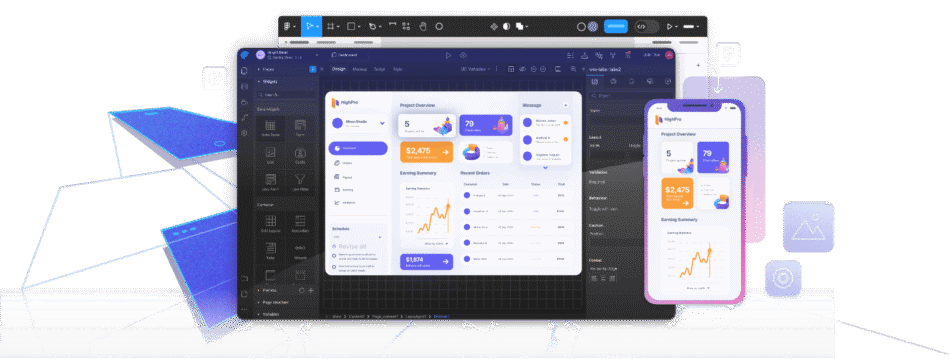
WaveMaker’s focus on agentic AI represents a shift in how artificial intelligence is utilized in the development of applications. Instead of directly converting user intent into code, WaveMaker employs a two-pass model that allows for greater flexibility and accuracy in the development process. This model enables developers to submit design files, such as those created in Figma, alongside natural language descriptions of their intent. The system then generates tech-agnostic application markup, which developers can review and verify before the final code is produced.
Vikram Srivats, the head of product experience at WaveMaker, emphasizes the importance of bridging the gap between user experience (UX) and implementation. By integrating design into the development process, WaveMaker aims to create a seamless workflow that enhances both the quality of the final product and the efficiency of the development team.
Cost Control Through Markup-First Generation
One of the primary challenges faced by enterprises today is the escalating costs associated with AI-assisted development. As teams increasingly rely on large language models (LLMs) to generate code, expenses can accumulate rapidly, particularly when these models are used to create extensive blocks of code. WaveMaker’s innovative solution involves generating a lightweight intermediate layer known as “WaveMaker markup” before translating it into production code.
This approach is particularly beneficial for enterprise teams that utilize models such as Anthropic PBC’s Claude Code, OpenAI Group PBC’s Codex, or Google LLC’s Gemini. While these models may offer low input pricing, the costs can soar when it comes to output. By focusing on generating markup first, WaveMaker reduces the frequency with which heavy processing is required from the AI models, thereby minimizing token consumption and associated costs.
Model Flexibility and Future-Proofing Applications
WaveMaker’s architecture is designed to be model-agnostic, allowing it to work with major AI providers while providing a comprehensive solution for development teams. This flexibility is crucial in a landscape where the capabilities of AI models are constantly evolving. Srivats notes that WaveMaker’s product is intended for teams with diverse skills, combining both technical and design-oriented professionals to create a collaborative environment.
Moreover, WaveMaker recognizes that application development is not a one-time event but rather a continuous lifecycle. Applications require ongoing maintenance, feature additions, and updates to address vulnerabilities. The platform’s emphasis on generating “real code” ensures that developers have the necessary tools to extend and adapt their applications over time.
Open Standards and Long-Lived Applications
WaveMaker’s commitment to open standards extends to all aspects of its platform, from packaging to deployment. This focus on open standards helps teams avoid becoming trapped in outdated technology stacks as frameworks evolve. Srivats asserts that applications built using WaveMaker are designed to be long-lived, providing developers with the confidence that their code will remain relevant and adaptable in the face of changing technologies.
The integration of design and development from the outset is a key differentiator for WaveMaker in a crowded market of low-code AI-driven app design products. By combining the strengths of design and development, WaveMaker aims to create a more cohesive and efficient process for enterprise application generation.
The Importance of Collaboration in Development
In today’s fast-paced business environment, collaboration among team members with varying skill sets is essential for successful application development. WaveMaker’s platform encourages this collaboration by providing tools that allow both technical and design-oriented professionals to work together effectively. This collaborative approach not only enhances the quality of the final product but also fosters a culture of innovation within development teams.
By breaking down traditional silos between design and development, WaveMaker enables teams to respond more quickly to changing business needs and user expectations. This agility is critical in a landscape where customer demands are constantly evolving, and organizations must be able to adapt their applications accordingly.
WaveMaker’s Vision for the Future
As WaveMaker continues to innovate in the realm of enterprise application development, the company remains committed to its vision of creating a more efficient and cost-effective development process. By leveraging agentic AI and a markup-first approach, WaveMaker aims to empower organizations to build high-quality applications that can evolve alongside their business needs.
With the ever-increasing reliance on technology in the enterprise sector, the importance of effective application development cannot be overstated. WaveMaker’s approach not only addresses current challenges but also positions organizations for future success in an increasingly digital landscape.
Conclusion
In summary, WaveMaker’s innovative use of markup-first AI represents a significant advancement in the field of enterprise application development. By focusing on cost control, model flexibility, and collaboration, WaveMaker is poised to transform how organizations approach app generation, ensuring that they can build and maintain high-quality applications in an efficient and sustainable manner.
Frequently Asked Questions
WaveMaker’s markup-first AI approach involves generating a lightweight intermediate layer of markup before producing the final production code. This method reduces the reliance on heavy processing from AI models, thereby lowering costs associated with token consumption.
WaveMaker ensures cost control by generating a lightweight markup first, which minimizes the frequency of heavy processing required from large language models. This approach helps reduce token consumption and associated costs, making enterprise app development more economical.
WaveMaker’s platform is designed for teams that include a mix of technical and design-oriented professionals. This collaborative approach allows organizations to leverage diverse skills and create high-quality applications that meet evolving business needs.
Call To Action
If your organization is looking to streamline application development and reduce costs, consider exploring WaveMaker’s innovative platform. Embrace the future of app generation with a markup-first approach that enhances collaboration and efficiency.
[np_contact_btn]