
How AI Is Turbocharging the War in Iran
- AI technologies are enhancing military strategies and operational efficiency.
- The integration of AI tools is proving critical in intelligence gathering.
- Understanding the implications of AI in warfare can inform strategic decisions.
- Investing in AI capabilities can yield significant ROI for defense sectors.
The ongoing conflict in Iran has been significantly influenced by the integration of AI technologies. Military forces are leveraging these advancements to enhance their operational capabilities and gain a strategic edge over adversaries. The implications of AI in warfare extend beyond mere tactical advantages; they reshape the entire landscape of military engagement.
This article delves into how AI is transforming the war dynamics in Iran, exploring its applications in intelligence, strategy, and operational efficiency. Understanding these developments is crucial for stakeholders in defense and security sectors, as they navigate the complexities of modern warfare.
Continue Reading
The Role of AI in Modern Warfare
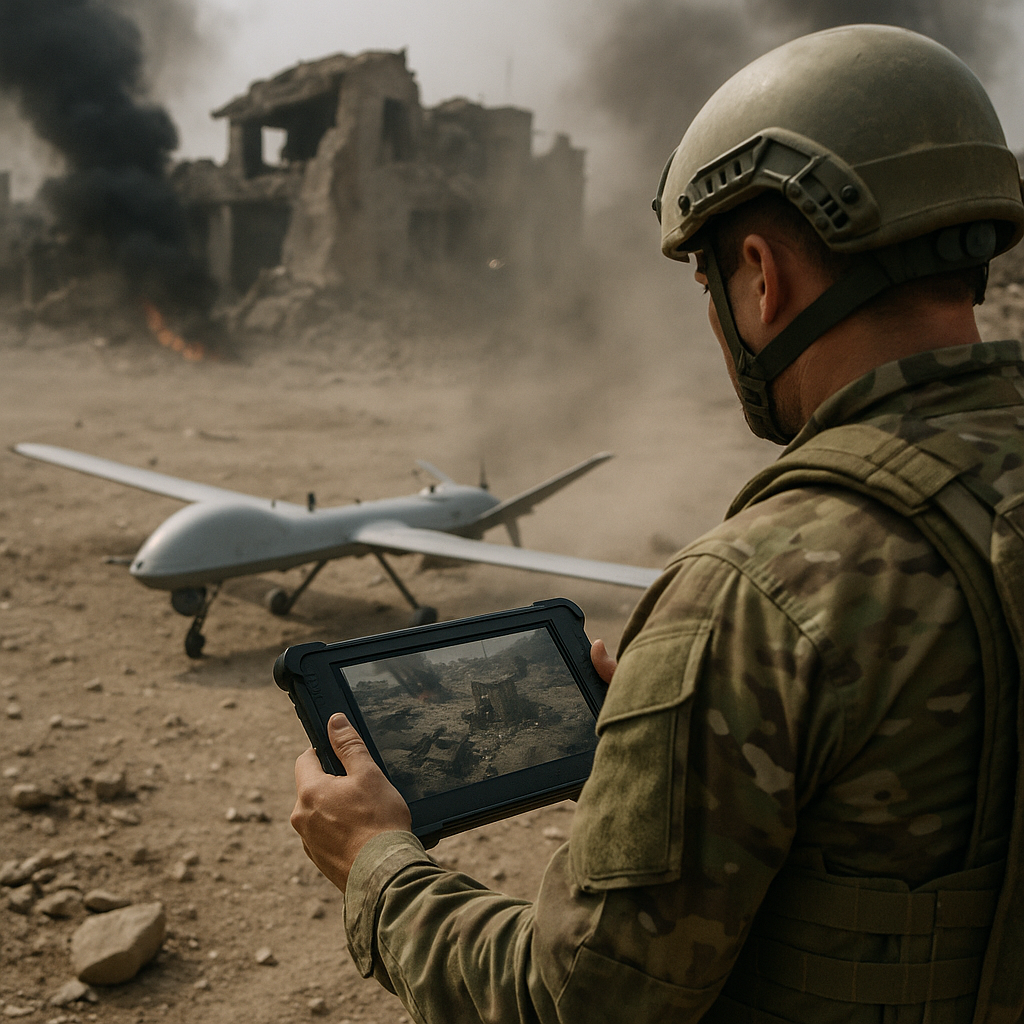
Artificial Intelligence has emerged as a pivotal element in modern warfare. Its applications range from autonomous drones to sophisticated data analysis tools that process vast amounts of information. In the context of the war in Iran, AI is being utilized to enhance decision-making processes, streamline operations, and improve battlefield outcomes.
AI-Powered Surveillance and Reconnaissance
One of the most significant applications of AI in the Iranian conflict is in surveillance and reconnaissance. AI algorithms can analyze satellite imagery and drone footage with remarkable speed and accuracy, allowing military commanders to identify enemy positions and movements in real-time. This capability not only enhances situational awareness but also enables more effective planning and execution of military operations.
- Real-time data analysis facilitates quicker decision-making.
- Automated systems reduce the manpower required for intelligence gathering.
- Machine learning models improve over time, increasing their predictive accuracy.
AI in Cyber Warfare
The conflict in Iran has also seen the rise of cyber warfare, where AI plays a crucial role. AI systems can detect vulnerabilities in enemy networks, automate attacks, and even defend against incoming threats. This capability is particularly important in a region where cyber operations can have far-reaching consequences.
Enhancing Military Strategy with AI
AI is not just about improving operational efficiency; it also plays a crucial role in shaping military strategy. By analyzing historical data and current trends, AI can provide insights that help military leaders devise more effective strategies.
Predictive Analytics for Strategic Planning
Through predictive analytics, military planners can forecast potential conflict scenarios and prepare accordingly. AI models can analyze various factors, including troop movements, supply chain logistics, and geopolitical dynamics, to simulate different outcomes. This foresight allows for proactive measures to be taken, enhancing overall strategic effectiveness.
Resource Allocation and Logistics
Efficient resource allocation is critical in any military operation. AI can optimize logistics by predicting supply needs and streamlining transportation routes. This optimization not only saves time but also reduces costs, making military operations more sustainable.
- AI-driven logistics systems can adapt to changing conditions on the ground.
- Automated supply chain management minimizes human error.
- Enhanced resource management leads to better operational readiness.
AI and Human Decision-Making
While AI offers numerous advantages, it is essential to consider its impact on human decision-making in warfare. The integration of AI tools should complement, not replace, human judgment.
Augmenting Human Intelligence
AI can process and analyze data at a scale and speed that humans cannot match. However, the final decisions should still rest with human commanders. The synergy between AI and human intelligence can lead to more informed decision-making.
Ethical Considerations
The use of AI in warfare raises ethical questions that cannot be ignored. Issues such as accountability, bias in AI algorithms, and the potential for autonomous weapons systems to make life-and-death decisions need to be addressed. Military leaders must establish guidelines to ensure that AI is used responsibly and ethically.
Challenges and Risks of AI in Warfare
Despite its advantages, the integration of AI in military operations comes with challenges and risks. Understanding these factors is crucial for mitigating potential downsides.
Technological Dependence
As militaries become more reliant on AI technologies, the risk of technological failures increases. A malfunctioning AI system could lead to catastrophic consequences on the battlefield. Therefore, robust backup systems and human oversight are essential.
Cybersecurity Threats
AI systems are not immune to cyber threats. Adversaries may attempt to exploit vulnerabilities in AI algorithms or manipulate data inputs to achieve their objectives. Ensuring the cybersecurity of AI systems is paramount to maintaining operational integrity.
Future of AI in the Iranian Conflict
The future of AI in the Iranian conflict is likely to see continued advancements and integration into military strategies. As technology evolves, so too will the tactics employed by both state and non-state actors.
Emerging Technologies
New technologies, such as quantum computing and advanced machine learning, are on the horizon. These innovations could further enhance the capabilities of AI in warfare, leading to even more sophisticated applications in intelligence, strategy, and operations.
Global Implications
The implications of AI in warfare extend beyond Iran. As countries around the world adopt similar technologies, the global balance of power may shift. Understanding these dynamics is essential for policymakers and military leaders.
Conclusion
AI is undeniably transforming the landscape of warfare in Iran. Its applications in surveillance, strategy, and operational efficiency are reshaping military engagements and decision-making processes. However, with these advancements come significant challenges and ethical considerations that must be addressed. As the conflict evolves, the role of AI will continue to grow, making it a critical area for ongoing analysis and investment.
Frequently Asked Questions
AI is used for surveillance, reconnaissance, predictive analytics, and optimizing logistics in military operations, enhancing decision-making and operational efficiency.
Ethical concerns include accountability for AI decisions, bias in algorithms, and the implications of autonomous weapon systems making life-and-death choices.
Challenges include technological dependence, cybersecurity threats, and the need for human oversight to prevent catastrophic failures in military operations.
Call To Action
Investing in AI capabilities is essential for defense sectors to stay ahead in modern warfare. Explore how your organization can leverage AI for strategic advantages.
[np_contact_btn]
Note: Provide a strategic conclusion reinforcing long-term business impact and keyword relevance.