
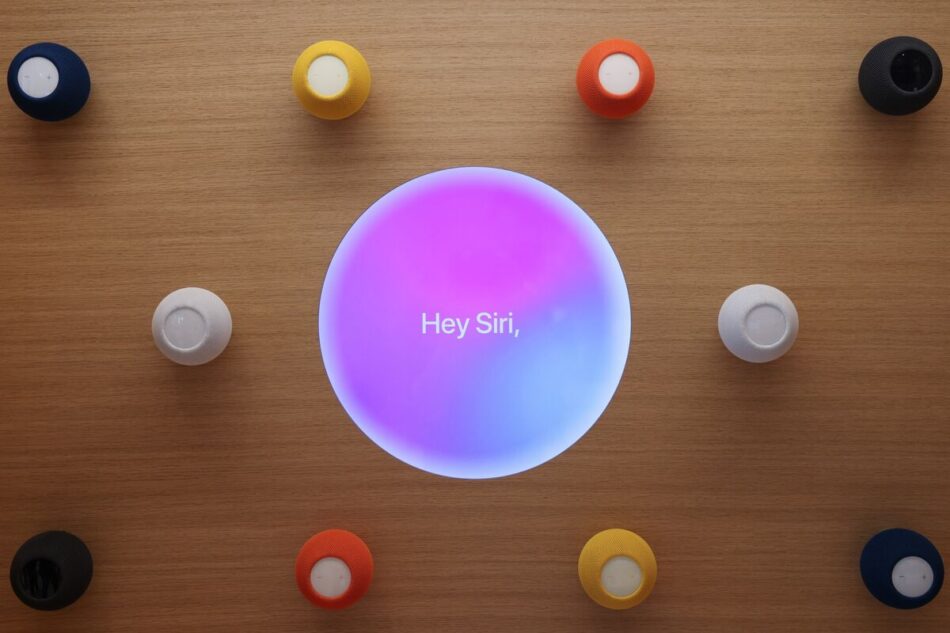
Apple’s Latest Attempt to Launch the New Siri Runs Into Snags
Apple Inc. has been at the forefront of technological innovation for decades, consistently pushing the boundaries of what is possible in consumer electronics. One of its most notable products, Siri, the intelligent personal assistant, has undergone various iterations since its launch in 2011. However, the latest efforts to enhance Siri have encountered significant challenges, raising questions about the future of voice assistants in Apple’s ecosystem.
The Evolution of Siri
Siri was introduced as a groundbreaking feature of the iPhone 4S, allowing users to interact with their devices through voice commands. Over the years, Apple has made numerous updates to Siri, enhancing its capabilities and integrating it with other Apple services and devices. Despite these advancements, Siri has often been criticized for its limitations compared to competitors like Amazon’s Alexa and Google Assistant.
Initial Reception and Growth
Upon its release, Siri was praised for its novelty and potential. Users were fascinated by the ability to ask questions and receive spoken answers. However, as competitors entered the market, the expectations for Siri grew. Users began to demand more functionality, including smart home integration, contextual understanding, and improved natural language processing.
Challenges Faced by Siri
Despite Apple’s continuous updates, Siri has struggled to keep pace with its competitors. Some of the challenges include:
- Limited Integration: While Siri works well within the Apple ecosystem, its integration with third-party applications has been limited compared to Alexa and Google Assistant.
- Contextual Awareness: Siri often fails to understand context, leading to misunderstandings and incorrect responses.
- Voice Recognition: Although Siri’s voice recognition has improved, it still lags behind competitors in accurately interpreting diverse accents and speech patterns.
Apple’s Latest Initiatives
In response to these challenges, Apple has embarked on new initiatives aimed at revitalizing Siri and enhancing its capabilities. These efforts include leveraging advanced machine learning algorithms, improving natural language processing, and expanding Siri’s integration with smart home devices.
Investment in AI and Machine Learning
Apple has significantly increased its investment in artificial intelligence (AI) and machine learning technologies. The company has acquired several AI startups, aiming to bolster its capabilities in natural language processing and contextual understanding. This investment is crucial for Siri to compete effectively in the rapidly evolving voice assistant market.
Enhancing Natural Language Processing
One of the primary focuses of Apple’s latest initiatives is improving Siri’s natural language processing (NLP). By refining NLP algorithms, Apple aims to enable Siri to understand and respond to user queries more accurately and contextually. This enhancement is vital for providing a more intuitive user experience.
Expanding Smart Home Integration
Apple is also working to expand Siri’s integration with smart home devices. With the rise of the Internet of Things (IoT), consumers expect seamless connectivity between their devices. By enhancing Siri’s compatibility with a broader range of smart home products, Apple hopes to position Siri as a central hub for home automation.
Current Challenges and Setbacks
Despite these ambitious initiatives, Apple’s latest attempt to launch an updated version of Siri has encountered several snags. These challenges highlight the complexities of developing a competitive voice assistant in a crowded market.
Technical Difficulties
One of the primary issues Apple faces is technical difficulties related to the integration of new features. The complexity of ensuring that Siri works seamlessly across various devices and platforms has led to delays in the rollout of updates. This has frustrated developers and users alike, who are eager for improvements.
User Feedback and Expectations
Apple has also faced challenges in addressing user feedback. Many users have expressed dissatisfaction with Siri’s performance, leading to heightened expectations for the upcoming updates. Balancing user expectations with technical feasibility is a significant hurdle for Apple as it seeks to enhance Siri’s capabilities.
Competition from Rivals
The competitive landscape for voice assistants is fierce. Companies like Amazon and Google have invested heavily in their respective voice technologies, continually rolling out new features and improvements. This competition puts additional pressure on Apple to deliver a product that meets or exceeds user expectations.
Future Prospects for Siri
Looking ahead, the future of Siri remains uncertain. While Apple has made strides in addressing some of the challenges, it must continue to innovate and adapt to the evolving landscape of voice technology.
Potential for Growth
Despite the setbacks, there is potential for growth and improvement. Apple’s commitment to AI and machine learning could yield significant advancements in Siri’s capabilities. If successful, these improvements could enhance user satisfaction and expand Siri’s market share.
Strategic Partnerships
Apple may also consider forming strategic partnerships with third-party developers to enhance Siri’s functionality. By collaborating with other companies, Apple can expand Siri’s ecosystem and improve its integration with a wider range of applications and devices.
Focus on User Experience
Ultimately, the key to Siri’s success lies in delivering a superior user experience. Apple must prioritize user feedback and continuously refine Siri’s capabilities to meet the evolving needs of consumers. By focusing on user satisfaction, Apple can strengthen Siri’s position in the competitive voice assistant market.
Frequently Asked Questions
Apple faces challenges such as limited integration with third-party applications, contextual awareness issues, and voice recognition limitations, which hinder Siri’s competitiveness.
Apple is investing in AI and machine learning, enhancing natural language processing, and expanding Siri’s integration with smart home devices to improve its capabilities.
The future of Siri is uncertain, but with ongoing improvements and a focus on user experience, there is potential for growth and increased market share.
Call To Action
If you are interested in learning more about Apple’s innovations and the future of voice technology, stay tuned for updates and insights from industry experts.
[np_contact_btn]
Note: Apple’s efforts to enhance Siri highlight the complexities of competing in the voice assistant market. Continuous innovation and a focus on user experience will be crucial for its success.