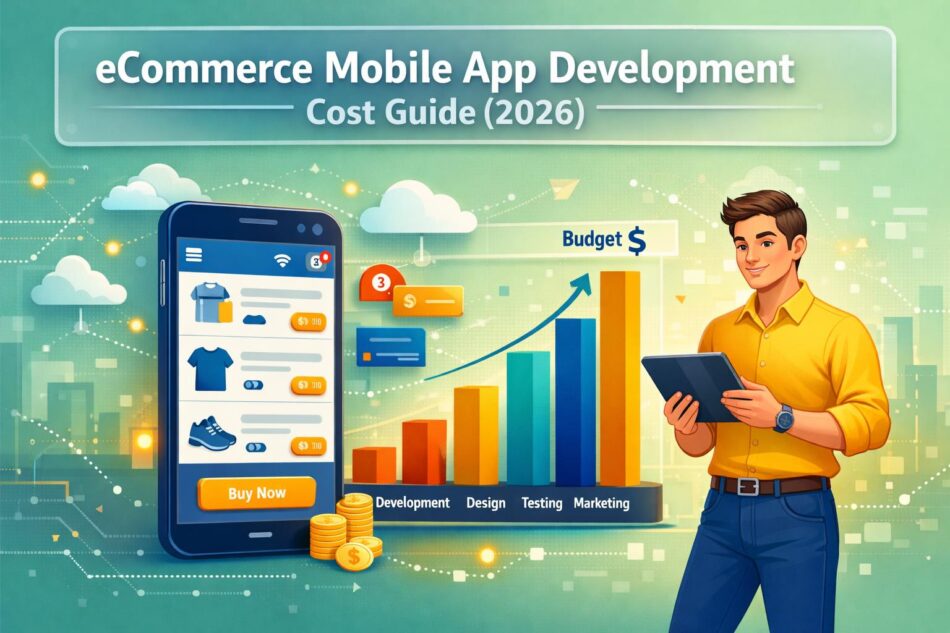
eCommerce Mobile App Development Cost Guide (2026)
- Understand the key factors that influence eCommerce mobile app development costs.
- Explore the potential ROI of investing in a mobile app for your business.
- Learn about different pricing models and their implications on overall budget.
- Discover strategies to optimize your mobile app development budget.
In the rapidly evolving digital landscape, eCommerce mobile app development has become a cornerstone for businesses aiming to enhance customer engagement and drive sales. As consumer behavior shifts towards mobile-first interactions, understanding the cost implications of developing a mobile app is crucial for any business looking to invest in this area.
This guide will delve into the various factors affecting the cost of developing an eCommerce mobile app in 2026, providing insights into budgeting, potential ROI, and strategic considerations that can help businesses make informed decisions.
Continue Reading
Understanding the Cost Factors
When planning for eCommerce mobile app development, several key factors influence the overall cost. These include:
- App Complexity: The more features and functionalities you want, the higher the cost. Basic apps may range from $10,000 to $30,000, while complex apps can exceed $100,000.
- Platform Choice: Developing for iOS, Android, or both can significantly impact costs. Cross-platform development may reduce expenses but could limit performance.
- Design Requirements: Custom designs and user interfaces add to the cost. A well-designed app enhances user experience, which can justify higher initial investments.
- Development Team Location: Labor costs vary significantly across regions. Hiring developers in North America or Western Europe is generally more expensive than outsourcing to Eastern Europe or Asia.
- Maintenance and Updates: Post-launch support is crucial for app longevity. Budgeting for ongoing maintenance can range from 15% to 20% of the initial development cost annually.
Breakdown of Development Costs
1. Pre-Development Costs
Before development begins, various costs are incurred, including:
- Market Research: Understanding your target audience can cost between $1,000 and $5,000.
- Wireframing and Prototyping: Creating a basic version of your app can range from $2,000 to $10,000.
- Technical Specifications: Detailed documentation of app requirements may cost around $1,000 to $3,000.
2. Development Costs
The actual development phase is where the bulk of the investment occurs:
- Frontend Development: This involves creating the user interface and user experience. Costs can range from $5,000 to $50,000, depending on complexity.
- Backend Development: This includes server-side programming, databases, and APIs, usually costing between $10,000 and $50,000.
- Integration of Payment Gateways: Adding secure payment options can add $1,000 to $5,000.
3. Post-Development Costs
After launch, ongoing costs include:
- App Store Fees: Both Apple and Google charge fees for app listing, typically around $100 annually.
- Marketing and Promotion: Initial marketing efforts can range from $5,000 to $20,000.
- Updates and Maintenance: Regular updates and bug fixes can cost 15% to 20% of your initial development budget each year.
Potential ROI from Mobile Apps
Investing in a mobile app can yield significant returns. Here are some ways to measure potential ROI:
- Increased Sales: Mobile apps can enhance customer engagement and increase sales by providing a seamless shopping experience.
- Customer Retention: Apps can improve customer loyalty through personalized experiences and push notifications, leading to repeat purchases.
- Brand Visibility: A mobile app increases brand presence and accessibility, allowing businesses to reach customers directly.
Choosing the Right Development Model
Different development models can affect your budget and project timeline:
- Freelancers: Hiring freelancers can be cost-effective but may lack the comprehensive support of a development agency.
- Development Agencies: Agencies provide a full range of services but at a higher cost. They typically offer better project management and quality assurance.
- In-House Development: Building an in-house team can be expensive but allows for greater control over the project.
Strategies to Optimize Development Costs
To maximize your investment in eCommerce mobile app development, consider the following strategies:
- Define Clear Objectives: Establishing clear goals and requirements can prevent scope creep and unnecessary expenses.
- Start with MVP: Launching a Minimum Viable Product (MVP) allows you to test the market with essential features before investing in additional functionalities.
- Utilize Cross-Platform Development: Using frameworks like React Native or Flutter can reduce costs by allowing a single codebase for multiple platforms.
- Focus on User Experience: Prioritizing user experience can lead to higher customer satisfaction and retention, ultimately increasing ROI.
Risks Associated with Mobile App Development
Understanding potential risks can help mitigate issues during development:
- Scope Creep: Changes in project requirements can lead to increased costs and extended timelines.
- Technical Challenges: Complex features may require more time and resources than initially planned.
- Market Competition: The eCommerce space is highly competitive, and failure to differentiate your app can impact its success.
Future Trends in eCommerce Mobile App Development
Staying ahead of trends can provide a competitive edge:
- AI and Machine Learning: Integrating AI can enhance personalization and improve customer service through chatbots and recommendation systems.
- Augmented Reality (AR): AR can provide immersive shopping experiences, allowing customers to visualize products in their environment.
- Subscription Models: Offering subscription services can create a steady revenue stream and improve customer loyalty.
Conclusion
In summary, understanding the costs associated with eCommerce mobile app development is essential for making informed business decisions. By considering factors such as app complexity, development models, and ongoing maintenance, businesses can effectively budget for their mobile app initiatives. With the right strategies in place, investing in a mobile app can significantly enhance customer engagement and drive sales, ultimately leading to a strong ROI.
Frequently Asked Questions
The average cost can range from $10,000 for basic apps to over $100,000 for more complex applications, depending on features and development choices.
Development time can vary from 3 to 9 months, depending on the app’s complexity and the development model chosen.
Ongoing costs typically include maintenance, updates, app store fees, and marketing expenses, which can amount to 15-20% of the initial development cost annually.
Call To Action
Ready to take your eCommerce business to the next level? Contact us today to discuss your mobile app development needs and discover how we can help you achieve your goals.
[np_contact_btn]
Note: Provide a strategic conclusion reinforcing long-term business impact and keyword relevance.