Not a Space Race: A Space Alliance for Global IoT
- Collaborative satellite networks can significantly reduce the cost and complexity of deploying IoT solutions.
- By integrating existing technologies, companies can accelerate their market entry and expand their service offerings.
- Partnerships in satellite IoT enhance coverage and reliability, crucial for sectors like agriculture and logistics.
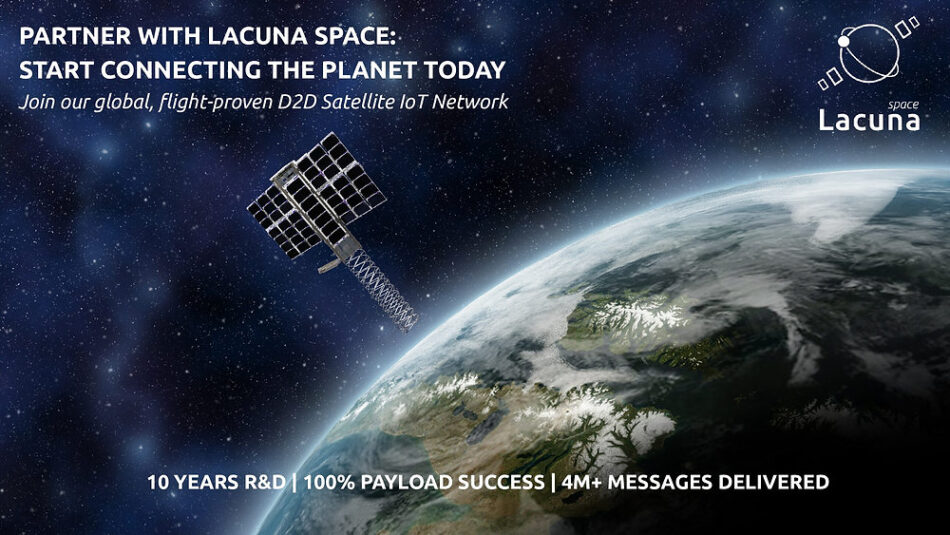
The landscape of Internet of Things (IoT) connectivity is evolving rapidly, with satellite technology at the forefront. As global demand for seamless connectivity grows, the need for innovative solutions becomes paramount. Lacuna Space is addressing this challenge by inviting global partners to join its collaborative LoneWhisper® Direct-to-Device (D2D) constellation, enabling a shared approach to satellite IoT.
This initiative represents a significant shift from traditional competitive models to a cooperative framework, allowing partners to leverage proven technologies without the burden of building their own infrastructure. This article explores the implications of this space alliance for global IoT, focusing on scalability, cost-effectiveness, and strategic partnerships.
Continue Reading
The Need for Satellite IoT Solutions
Despite advancements in terrestrial cellular networks, vast regions of the world remain unconnected. This connectivity gap presents a challenge for industries reliant on continuous data transmission. Sectors such as agriculture, logistics, and environmental monitoring require reliable communication channels to optimize operations and ensure sustainability.
Satellite IoT offers a solution by providing coverage in remote areas where traditional networks fail. However, the historical high costs and complexities associated with satellite technology have limited its widespread adoption. Lacuna Space’s LoneWhisper® technology aims to change this by enabling standard LoRa®-enabled devices to communicate directly with satellites, eliminating the need for terrestrial infrastructure.
Understanding Lacuna Space’s Approach
Lacuna Space has invested nearly €20 million over the past decade to develop its LoneWhisper® platform, which combines advanced almanac provisioning with a global ground-based message broker. This technology enables reliable message routing between devices and applications, regardless of which operator’s satellites are accessible.
By opening its operational network to partners, Lacuna Space allows them to host gateway payloads on their own satellites. This collaborative model reduces the time and risk associated with launching new IoT services, enabling partners to tap into an established network designed for low-power IoT applications.
Benefits of a Collaborative Satellite Network
Joining the Lacuna Network offers numerous advantages for organizations looking to expand their IoT capabilities:
- Faster Deployment: Partners can initiate IoT services immediately by utilizing the existing Lacuna network, rather than waiting for their own satellites to be operational.
- Lower Capital Outlay: By leveraging Lacuna’s proven technology, partners can minimize initial investments and focus on developing their market solutions.
- Reduced Risk: The use of open LoRaWAN standards ensures interoperability and long-term sustainability, backed by nearly a decade of successful development and trials.
Strategic Partnerships and Global Reach
Companies like dstelecom have already begun to operationalize the Lacuna Network, reinforcing their position in the European satellite IoT ecosystem. By leveraging this shared infrastructure, dstelecom accelerates the deployment of next-generation IoT services, particularly in ocean connectivity and low-density territories.
The collaboration has proven effective through successful pilot projects in Portugal, demonstrating the capability of hybrid satellite-terrestrial communications. Such partnerships not only enhance coverage but also position companies at the forefront of innovation in defense, maritime security, and dual-use technology environments.
The Future of Connectivity: Hybrid and Resilient
The future of connectivity is increasingly hybrid, combining terrestrial and satellite networks to create a resilient infrastructure capable of supporting diverse applications. The integration of Lacuna’s collaborative model enables companies to build a robust connectivity ecosystem that addresses the unique challenges of their respective markets.
As organizations test and validate IoT services before launching their own satellites, they can significantly reduce technological risks and accelerate their commercial readiness. This strategic approach positions them advantageously within the evolving landscape of telecommunications and space infrastructure.
Scaling Satellite IoT Technology
Lacuna Space’s operational network is not merely a concept; it is a reality, with multiple payloads launched successfully and over four million messages delivered across various sectors. This scalability is crucial for organizations looking to implement IoT solutions effectively.
By joining the Lacuna Network, partners gain instant access to a mature system, allowing them to leverage proven technology while prioritizing their own market solutions. This collaborative approach transforms Direct-to-Device connectivity from a niche concept into a deployable infrastructure, enabling a worldwide IoT network that no single operator could achieve alone.
Strategic Advantages of Joining the Lacuna Network
Organizations considering joining the Lacuna Network can expect several strategic advantages:
- Immediate Access: Partners can start utilizing Lacuna’s network immediately, allowing for quicker time-to-market for their IoT services.
- Cost Efficiency: By using existing technology, partners can avoid the high costs associated with developing their own satellite infrastructure.
- Interoperability: Built on open standards, the network ensures that devices from different manufacturers can communicate seamlessly, fostering a more inclusive IoT ecosystem.
Conclusion
The collaborative model proposed by Lacuna Space marks a turning point in the satellite IoT landscape. By fostering partnerships and shared infrastructure, organizations can overcome the historical barriers to satellite connectivity. This approach not only enhances global coverage but also accelerates the deployment of innovative IoT solutions across various sectors.
Note: Provide a strategic conclusion reinforcing long-term business impact and keyword relevance.
Frequently Asked Questions
LoneWhisper® technology allows standard LoRa®-enabled devices to transmit data directly to satellites, providing connectivity in areas lacking terrestrial networks.
Organizations can leverage Lacuna’s established network for faster deployment, lower capital investment, and reduced risk while enhancing their IoT service offerings.
Industries such as agriculture, logistics, environmental monitoring, and maritime security can significantly benefit from reliable satellite IoT connectivity.
Call To Action
Explore how your organization can join the Lacuna Network and leverage satellite IoT technology to enhance connectivity and service offerings.
[np_contact_btn]