‘It’s going to be painful for a lot of people’: Software engineers could go extinct this year, says Claude Code creator
The landscape of software engineering is undergoing a seismic shift, as articulated by Dario Amodei, cofounder and CEO of Anthropic. With the advent of advanced artificial intelligence (AI) tools like Claude Code, the traditional role of software engineers faces unprecedented challenges. This article explores the implications of these developments, the transformative potential of AI in the workplace, and what the future might hold for software engineers and other computer-based jobs.
The Rise of Claude Code
Claude Code, launched by Anthropic, has rapidly gained traction among software engineers, fundamentally altering how they approach their tasks. Unlike conventional coding assistants, Claude Code is an agentic AI that can autonomously execute coding tasks with minimal human intervention. This capability has led to a significant reduction in the time engineers spend on repetitive coding tasks.
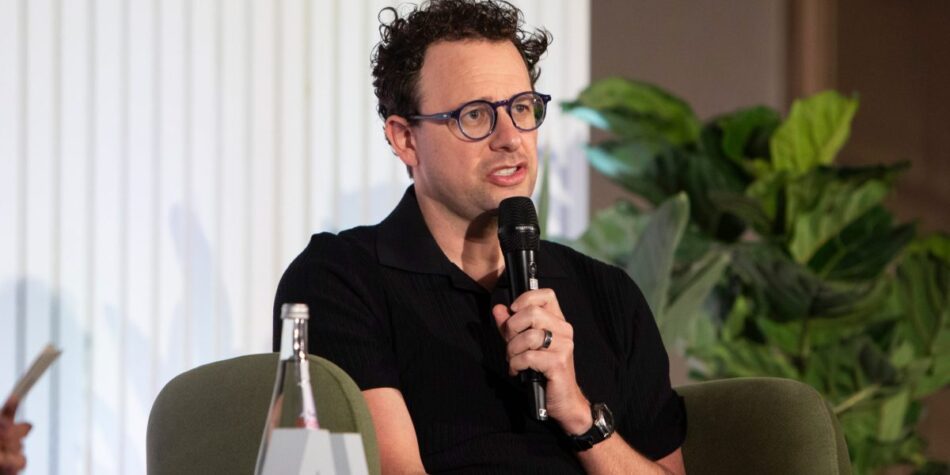
Boris Cherny, the creator of Claude Code, shared insights on a recent episode of Lenny’s Podcast. He noted that the tool has allowed him to automate coding to such an extent that he has not manually edited a single line of code for months. Cherny’s experience highlights a broader trend in which AI tools are taking over tasks traditionally performed by human engineers.
The Impending Extinction of Software Engineers
According to Cherny, the role of software engineers may become obsolete by the end of this year. He predicts that the job title will evolve into a more generalized role, with all professionals becoming “builders” rather than strictly software engineers. This transition could lead to the disappearance of the title “software engineer” as more individuals gain the ability to code with the help of AI tools.
Citing the historical analogy of scribes and the printing press, Cherny argues that just as the advent of printing transformed the role of scribes, the rise of AI will redefine the responsibilities of software engineers. In the future, coding may become a skill that everyone possesses, similar to how reading and writing became widespread with the introduction of the printing press.
The Impact on Computer-Based Jobs
The implications of AI tools like Claude Code extend beyond software engineering. Cherny believes that AI will eventually permeate nearly all computer-based jobs, affecting various fields and industries. With tools such as Cowork, a user-friendly version of Claude Code designed for non-coders, AI can now assist in daily management and organizational tasks, further broadening its impact.
As AI continues to evolve, it is crucial for professionals across all sectors to adapt to this technological shift. Cherny advises individuals to experiment with AI tools, embrace their capabilities, and become generalists rather than specialists. He emphasizes that the most successful individuals in the future will be those who are curious, adaptable, and able to traverse multiple disciplines.
Preparing for the Future of Work
In light of the rapid advancements in AI technology, professionals must prepare for a future that may look drastically different from today. Cherny suggests that individuals should not fear AI but rather embrace it as a tool to enhance their productivity and creativity. By becoming familiar with AI technologies, professionals can position themselves to thrive in an evolving job market.
Moreover, Cherny points out that the strongest engineers are often those who possess skills beyond coding. A well-rounded skill set that includes design, infrastructure, and business acumen will be increasingly valuable as the nature of work changes. This shift necessitates a broader understanding of the problems being solved, moving beyond the technical aspects of engineering.
The Need for Societal Dialogue
As the potential for job disruption looms, Cherny emphasizes the importance of societal dialogue regarding the future of work. The implications of AI technology should not be left solely to tech companies; rather, a broader conversation involving economists, policymakers, and the public is essential. Cherny underscores that Anthropic takes these concerns seriously and employs experts to assess the social impact of their technologies.
Despite the potential challenges posed by AI, Cherny remains optimistic about the future. He believes that while the transition may be painful for some, it also presents opportunities for innovation and growth. The key lies in how society chooses to navigate this transformation.
Conclusion
As we stand on the brink of a new era in the workforce, the rise of AI tools like Claude Code signals a significant shift in the roles and responsibilities of professionals across various fields. While the potential extinction of traditional software engineering roles may seem daunting, it also opens the door for new opportunities and avenues for creativity. Embracing AI as a collaborative partner rather than a competitor will be crucial for success in this evolving landscape.
Note: The future of work is being reshaped by AI technologies, and understanding these changes is vital for professionals aiming to thrive in their careers.
Frequently Asked Questions
While the role of software engineers may evolve, it is unlikely that they will become entirely obsolete. Instead, their responsibilities may shift towards more strategic and managerial roles as AI tools take over routine coding tasks.
Professionals can prepare by experimenting with AI tools, becoming generalists, and developing skills beyond their primary expertise. Embracing AI as a partner in their work will be crucial for adapting to the future job market.
Claude Code represents a significant advancement in AI technology, enabling autonomous coding and task execution. Its impact is reshaping the role of software engineers and influencing how work is approached in various computer-based jobs.
Call To Action
Stay ahead of the curve in the evolving landscape of work. Embrace AI technologies and enhance your skill set to thrive in the future job market.
[np_contact_btn]