
NRF | How to Navigate Product Innovation in a Changing Environment
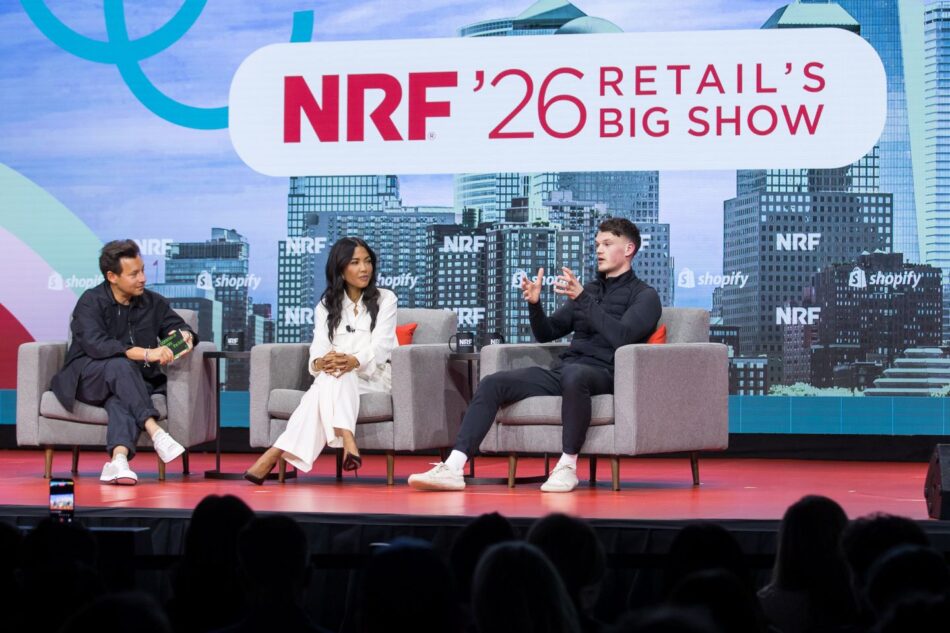
The retail landscape is undergoing a significant transformation, driven by rapid technological advancements and evolving consumer behaviors. As businesses adapt to these changes, product innovation has become a critical focus for leaders in the industry. The NRF 2026: Retail’s Big Show provided a platform for industry leaders to discuss strategies for navigating this dynamic environment. This article explores insights from key figures such as Harley Finkelstein of Shopify, Emma Grede of Good American, and Ben Francis of Gymshark, highlighting their approaches to product innovation amidst change.
The Changing Retail Landscape
Over the past few years, the retail industry has experienced unprecedented shifts. Factors such as the rise of e-commerce, the integration of artificial intelligence (AI), and changing consumer preferences have all contributed to this evolution. Harley Finkelstein, president of Shopify, emphasized the rapid pace of change, noting that businesses must remain agile and responsive to these developments.
Finkelstein’s observations were underscored by a significant increase in orders from AI-driven applications, which saw a 14-fold rise over the past year among Shopify merchants. This statistic serves as a reminder that the integration of technology into retail operations is no longer optional but essential for survival and growth.
Embracing AI in Product Innovation
Emma Grede, co-founder of Good American and SKIMS, highlighted the necessity of embracing AI in product innovation. She described the current moment as a “seismic change” in the industry, where consumers are increasingly utilizing AI in their daily lives. Grede’s perspective is clear: brands must meet customers where they are, which increasingly means leveraging AI technologies.
To adapt to this shift, Grede has instituted what she calls her “AI day,” dedicating time each week to explore how AI can enhance her business operations. She views AI as a “second executive brain,” allowing her to delegate tasks effectively while maintaining focus on product innovation. Grede believes that while AI can handle many operational tasks, the human element remains irreplaceable, especially in areas requiring creativity and intuition.
Focus on Core Competencies
Ben Francis, CEO and founder of Gymshark, echoed Grede’s sentiments about the importance of focus in product innovation. He emphasized that Gymshark’s success is rooted in its commitment to understanding its core competencies. Rather than attempting to reinvent technology, Gymshark has chosen to partner with industry leaders, such as Shopify, to enhance its offerings.
Francis shared that narrowing the product range has accelerated Gymshark’s growth more than expanding it ever could. This disciplined approach allows the company to concentrate on what it does best, ultimately leading to a more robust and sustainable business model. By focusing on core strengths, Gymshark has built a brand that resonates with consumers and stands the test of time.
Building Trust Through Intention
Grede’s approach to building Good American is rooted in challenging industry norms. She believes that consumers should not have to make fashion choices based on limited size ranges. By addressing these myths and prioritizing inclusivity, Grede has cultivated a brand that resonates deeply with its audience.
This focus on intention and loyalty is crucial in today’s retail environment. Consumers are increasingly drawn to brands that demonstrate authenticity and purpose. By prioritizing these values, businesses can build trust and foster long-term relationships with their customers.
Long-Term Thinking in Retail
Both Grede and Francis emphasized the importance of long-term thinking in retail. Francis articulated Gymshark’s vision of building a “hundred-year brand,” which requires a commitment to sustainable practices and strategic growth. This mindset encourages companies to prioritize enduring success over short-term gains.
In a rapidly changing environment, long-term thinking allows businesses to navigate challenges with resilience and adaptability. By focusing on sustainable growth and innovation, companies can position themselves for success in the future.
Leadership in Times of Change
Effective leadership is paramount in navigating product innovation during periods of change. Finkelstein, Grede, and Francis all exemplify the qualities of strong leaders who embrace innovation and adaptability. Their willingness to explore new technologies, challenge industry norms, and prioritize customer relationships has positioned their brands for success.
As the retail landscape continues to evolve, leaders must remain vigilant and open to change. By fostering a culture of innovation and collaboration, businesses can harness the power of technology to drive product development and enhance customer experiences.
Conclusion
In conclusion, navigating product innovation in a changing environment requires a multifaceted approach. By embracing technology, focusing on core competencies, building trust through intention, and adopting long-term thinking, businesses can thrive in the face of uncertainty. The insights shared by industry leaders at NRF 2026 serve as a guiding framework for retailers seeking to innovate and adapt in an ever-evolving landscape.
Note: The retail industry is in a constant state of flux, and staying ahead of the curve requires a commitment to innovation, collaboration, and customer-centric strategies.
Frequently Asked Questions
Retailers can integrate AI by dedicating time to explore its applications, using it to enhance operational efficiencies, and focusing on customer engagement. Creating a culture that embraces technology and innovation is crucial for successful integration.
Focusing on core competencies allows retailers to streamline operations, enhance product offerings, and build a strong brand identity. It helps companies avoid dilution of their brand and ensures they excel in areas where they can provide the most value.
Long-term thinking is essential for retailers to build sustainable businesses that can withstand market fluctuations. It encourages strategic planning, fosters innovation, and helps companies prioritize enduring success over short-term gains.
Call To Action
To stay ahead in the dynamic retail environment, consider implementing innovative strategies and embracing technology in your product development. Connect with industry experts and explore new opportunities to enhance your business.
[np_contact_btn]