This Isn’t a Real Image of Puerto Vallarta on Fire
The digital age has brought about unprecedented access to information, but it has also led to the proliferation of misinformation. One recent example involves a viral image purportedly showing Puerto Vallarta, Mexico, engulfed in flames following the killing of a notorious cartel leader. This article aims to dissect the claims surrounding this image, clarify the facts, and provide insights into the implications of misinformation in today’s digital landscape.
The Context of the Incident
On February 22, 2026, a significant event occurred in Mexico when the Mexican military killed Nemesio “El Mencho” Oseguera Cervantes, the leader of the Jalisco New Generation Cartel (CJNG). This operation was reportedly supported by U.S. intelligence and took place in Tapalpa, a town in the Mexican state of Jalisco. The aftermath of El Mencho’s death led to widespread violence, with gang members retaliating by setting fire to vehicles and businesses in various cities, including Puerto Vallarta.
The killing of such a high-profile cartel leader often leads to escalated violence, as rival factions and loyalists react to the power vacuum created by the leader’s death. In this case, reports indicated that violence erupted across multiple locations, raising concerns about public safety and security in affected areas.
The Viral Image
Amidst the chaos following El Mencho’s death, a specific image began circulating on social media platforms, claiming to depict Puerto Vallarta in flames. A TikTok post on February 22 suggested that the image was a real-time depiction of the city, stating, “This is not a scene from a movie, this is the city of Puerto Vallarta, Jalisco in Mexico.” The post went on to describe the violent aftermath of the cartel leader’s killing, suggesting that his followers were wreaking havoc across the city.
However, upon closer examination, it became evident that the image was not genuine. The image bore the logo of Gemini, Google’s AI chatbot, indicating that it had been generated using artificial intelligence. This revelation sparked discussions about the implications of AI-generated content and its potential to mislead the public.
Identifying Misinformation
Several factors contributed to the identification of the viral image as a fake. First and foremost, visual inconsistencies were apparent. The buildings depicted in the image appeared distorted, and the fire did not realistically consume the structures. Additionally, the smoke exhibited unusual patterns, such as rising in a uniform direction without being affected by wind. These discrepancies are telltale signs of AI-generated imagery, which often struggles to replicate realistic environmental conditions.
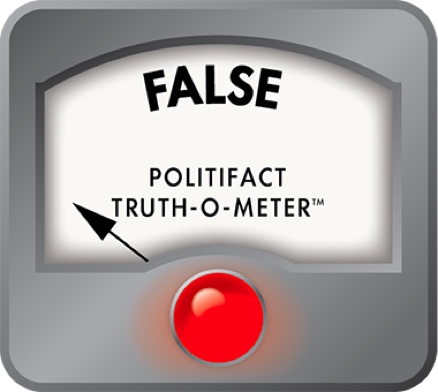
Moreover, the presence of the Gemini logo at the bottom right corner of the image served as a clear indication that this was not a real photograph but rather a product of artificial intelligence. PolitiFact, a fact-checking organization, confirmed this by uploading the image to the Gemini platform, which verified its AI-generated origins.
The Impact of Misinformation
The spread of misinformation, especially during times of crisis, can have serious consequences. In this case, the viral image could have contributed to public panic and confusion regarding the situation in Puerto Vallarta. Misinformation can exacerbate fears and lead to unnecessary actions, such as mass evacuations or increased security measures, ultimately straining resources and impacting local communities.
Furthermore, the dissemination of false information undermines trust in legitimate news sources. When the public encounters misleading images or claims, it can lead to skepticism about all media, making it challenging for accurate reporting to be recognized and trusted. In an era where information is readily available, the need for critical thinking and media literacy is more important than ever.
Combating Misinformation
Addressing the issue of misinformation requires a multi-faceted approach. Here are several strategies that can be employed to combat the spread of false information:
- Media Literacy Education: Teaching individuals how to critically evaluate sources of information can empower them to discern fact from fiction. This includes understanding how to identify credible news outlets and recognizing the signs of manipulated images.
- Fact-Checking Organizations: Supporting and promoting the work of fact-checking organizations like PolitiFact can help provide the public with reliable resources for verifying claims and images circulating online.
- Social Media Responsibility: Social media platforms must take responsibility for the content shared on their sites. This includes implementing algorithms that can detect and flag false information and providing users with tools to report misleading content.
- Community Engagement: Encouraging discussions within communities about the importance of accurate information can foster a culture of skepticism towards unverified claims and images.
The Role of Technology
As technology continues to evolve, so do the tools available for creating and disseminating information. Artificial intelligence, while offering numerous benefits, also poses challenges in the realm of misinformation. The ease with which AI can generate realistic images and videos means that individuals must remain vigilant and skeptical of the content they encounter online.
Moreover, the rise of deepfakes—manipulated videos that can convincingly portray individuals saying or doing things they never actually did—adds another layer of complexity to the fight against misinformation. As these technologies become more accessible, the potential for misuse increases, necessitating ongoing efforts to develop countermeasures and educate the public about the risks associated with AI-generated content.
Conclusion
In summary, the viral image claiming to show Puerto Vallarta on fire is a clear example of how misinformation can spread rapidly in the digital age. The killing of a cartel leader can lead to real violence and unrest, but it is crucial to distinguish between verified information and fabricated content. By fostering media literacy, supporting fact-checking initiatives, and encouraging responsible social media practices, society can work towards mitigating the impact of misinformation and ensuring that accurate information prevails.
Note: The importance of verifying information before sharing it cannot be overstated. In a world where images and claims can be easily manipulated, critical thinking and skepticism are essential tools for navigating the digital landscape.
Frequently Asked Questions
The violence in Puerto Vallarta was a direct response to the killing of Nemesio “El Mencho” Oseguera Cervantes, the leader of the Jalisco New Generation Cartel. His death triggered retaliatory actions from gang members, leading to unrest in the city.
AI-generated images often exhibit visual inconsistencies, such as distorted objects, unusual patterns in smoke or fire, and unrealistic environmental conditions. Additionally, look for watermarks or logos indicating the use of AI tools.
Combating misinformation requires media literacy education, support for fact-checking organizations, responsible social media practices, and community engagement to promote discussions about the importance of accurate information.
Call To Action
Stay informed and vigilant against misinformation. Educate yourself and others about the importance of verifying information before sharing it. Together, we can foster a more informed society.
[np_contact_btn]