
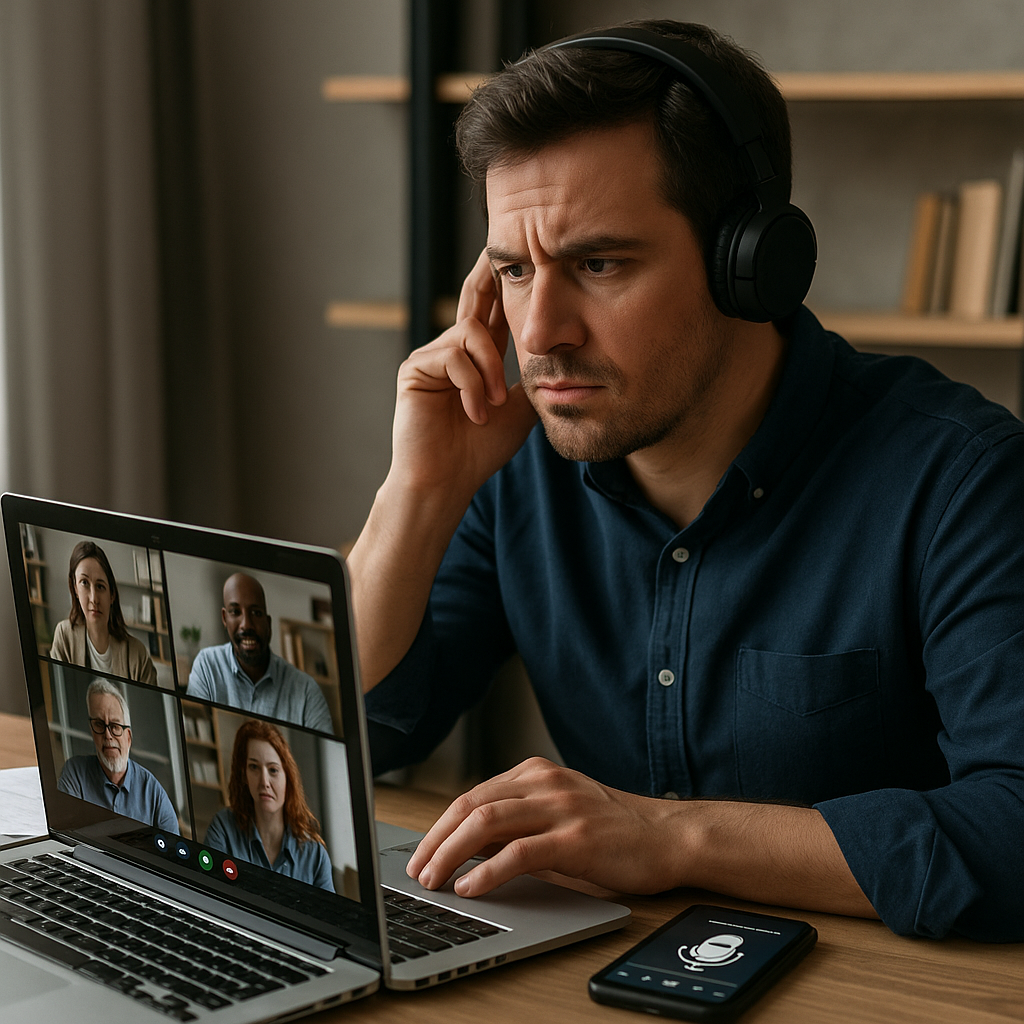
This Company Is Secretly Turning Your Zoom Meetings into AI Podcasts
- Understand how WebinarTV converts private Zoom meetings into publicly accessible AI podcasts.
- Explore the ethical and privacy implications of unauthorized recording and distribution of video calls.
- Learn about the technology behind AI-generated podcasts and its impact on digital content creation.
- Discover strategies businesses can adopt to protect sensitive virtual communications from unauthorized AI processing.
In an era where virtual meetings have become integral to business operations, the sanctity of online conversations is paramount. However, Zoom meeting privacy is under threat as companies like WebinarTV covertly record and transform these sessions into AI-generated podcasts without explicit consent. This practice raises critical concerns about data security, intellectual property, and personal privacy.
WebinarTV claims to aggregate over 200,000 webinars by scanning the internet for Zoom links and repurposing the content using advanced artificial intelligence transcription and audio content generation technologies. This article delves into the mechanisms behind this process, the risks involved, and the broader implications for businesses and individuals relying on virtual meeting platforms.
Continue Reading
How Is WebinarTV Turning Zoom Meetings into AI Podcasts?
WebinarTV operates by continuously scanning the web for publicly accessible Zoom meeting links. Once identified, the platform records these sessions, often without the knowledge or consent of the participants. Using AI-powered voice recognition and natural language processing tools, WebinarTV transcribes the audio content and converts it into podcast episodes. These podcasts are then hosted on their platform, monetized through advertising or subscription models.
This process leverages sophisticated machine learning algorithms that can accurately parse speech, identify speakers, and generate coherent audio narratives. The AI not only transcribes but also enhances the content by removing filler words, improving audio quality, and structuring the conversation for better listener engagement.
What Are the Privacy and Legal Implications?
The unauthorized recording and distribution of Zoom meetings by WebinarTV raise serious data privacy concerns. Participants often assume their meetings are private or limited to invited attendees, but WebinarTV’s actions expose sensitive information to a wider audience without permission. This can lead to breaches of confidentiality, intellectual property theft, and reputational damage.
Legally, the practice exists in a gray area. While WebinarTV claims to operate as a search engine indexing publicly available content, many Zoom meetings are not intended for public consumption. Depending on jurisdiction, this could violate wiretapping laws, copyright protections, or data protection regulations such as GDPR or CCPA. Businesses affected by this may face challenges in enforcing their rights due to the complex nature of digital content ownership and AI-generated derivatives.
How Does AI Enhance Podcast Creation from Recorded Meetings?
AI technologies play a pivotal role in transforming raw Zoom recordings into polished podcasts. Key AI components include:
- Speech-to-text transcription that converts spoken words into accurate text.
- Natural language understanding to segment conversations, identify topics, and summarize content.
- Audio editing algorithms that remove background noise, balance sound levels, and enhance clarity.
- Content generation models that can create introductions, transitions, and outro segments to improve listener experience.
These AI-driven processes reduce the time and cost traditionally associated with podcast production, enabling mass-scale content creation from existing virtual meetings.
What Risks Do Businesses Face from Unauthorized AI Podcasting?
Businesses using Zoom and similar platforms risk exposure of confidential strategies, client information, or proprietary discussions if their meetings are recorded and repurposed without consent. This can lead to:
- Intellectual property leakage where trade secrets become publicly accessible.
- Reputational harm if sensitive or controversial content is broadcast widely.
- Compliance violations related to data protection laws and contractual confidentiality clauses.
- Loss of competitive advantage as internal insights become available to competitors or the public.
How Can Companies Protect Their Virtual Meetings from Unauthorized AI Use?
To mitigate risks, organizations should adopt a multi-layered approach:
- Implement strict access controls and meeting security settings such as passwords, waiting rooms, and restricted link sharing.
- Educate employees on the importance of safeguarding meeting links and sensitive discussions.
- Use end-to-end encryption solutions where available to prevent unauthorized recording.
- Regularly audit and monitor for any unauthorized content appearing online that may originate from company meetings.
- Engage legal counsel to understand rights and remedies related to unauthorized recording and distribution.
What Is the Future of AI in Virtual Communication Content?
The integration of AI into virtual communication platforms is accelerating, offering benefits such as automated meeting summaries, real-time transcription, and enhanced collaboration tools. However, the WebinarTV case highlights the need for robust ethical standards and regulatory frameworks to govern AI usage in this domain.
Future developments may include AI systems that require explicit participant consent before recording or repurposing content, transparent notification mechanisms, and stronger data governance policies. Businesses and technology providers must collaborate to balance innovation with privacy and security.
Conclusion
The rise of companies like WebinarTV underscores the transformative power and potential risks of AI-driven content creation from virtual meetings. While AI can unlock new value from recorded communications, unauthorized use threatens privacy, trust, and legal compliance. Organizations must proactively protect their virtual interactions and advocate for responsible AI practices to safeguard sensitive information in an increasingly digital workplace.
Frequently Asked Questions
Call To Action
Protect your business’s virtual communications by implementing advanced security measures and partnering with AI providers who prioritize privacy and compliance. Stay informed and proactive to safeguard your sensitive information in the age of AI-driven content creation.
[np_contact_btn]
Note: Provide a strategic conclusion reinforcing long-term business impact and keyword relevance.