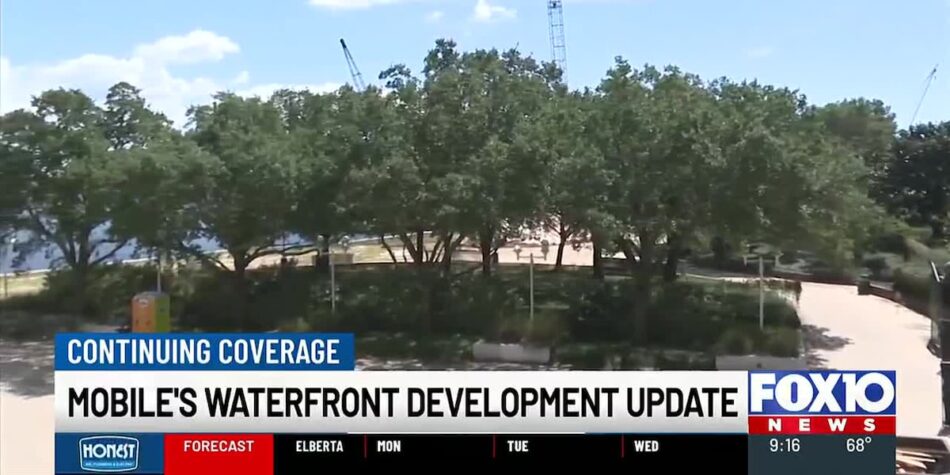
Mobile mayor outlines waterfront development plans
- Mayor Spiro Cheriogotis emphasizes expanding both public and private investments along Mobile’s waterfront.
- Plans include completing the Hall of Fame walk and constructing a continuous boardwalk to enhance accessibility and appeal.
- Focus on attracting private retail, dining, and entertainment venues to complement existing public assets.
- Integration of cruise ship tourism as a catalyst for waterfront revitalization and economic growth.
The Mobile waterfront development is poised for significant transformation under Mayor Spiro Cheriogotis’s new vision. Highlighting the potential of the city’s waterfront, the mayor aims to balance public amenities with increased private sector participation to create a vibrant, accessible, and economically thriving area. This approach seeks to leverage Mobile’s unique position as a port city and its growing tourism sector to attract investment and enhance quality of life for residents and visitors alike.
Key initiatives include finishing the Hall of Fame walk, establishing a continuous boardwalk along Water Street, and encouraging private development such as retail shops, restaurants, and entertainment venues. The mayor’s strategy also integrates cruise ship arrivals to boost local commerce and tourism, signaling a comprehensive plan for waterfront revitalization that could serve as a model for coastal urban development.
Continue Reading
What are the key elements of Mobile’s waterfront development plan?
The core of Mayor Spiro Cheriogotis’s waterfront development plan is to create a dynamic and engaging public space that seamlessly blends with private enterprise. The plan emphasizes completing the Hall of Fame walk, a pedestrian-friendly pathway that celebrates Mobile’s maritime heritage and local culture. Following this, the city intends to build a continuous boardwalk along the waterfront, providing scenic access and encouraging foot traffic.
This boardwalk is envisioned as a catalyst for attracting private development such as retail stores, restaurants, bars, and entertainment venues. The goal is to transform Water Street into a lively corridor where residents and tourists can enjoy the waterfront atmosphere, dine, shop, and socialize. By combining public infrastructure improvements with private investment incentives, the city plans to foster a sustainable and attractive waterfront district.
How will cruise tourism impact Mobile’s waterfront revitalization?
Cruise tourism is a significant component of the waterfront development strategy. The American Symphony cruise ship, which docks behind the National Maritime Museum of the Gulf, exemplifies the type of maritime activity the mayor wants to encourage. Cruise ships bring visitors directly to the waterfront, creating immediate opportunities for local businesses and increasing foot traffic in the area.
Mayor Cheriogotis highlighted the importance of ships that can dock close to the city’s core, allowing passengers to easily access waterfront attractions. The scheduled return of the Gulf Coast cruise itinerary in November is expected to boost tourism and generate economic benefits for the city. This integration of cruise tourism supports the broader goal of revitalizing Mobile’s waterfront as a destination for both leisure and commerce.
What are the benefits of attracting private development along Water Street?
Attracting private development along Water Street offers multiple benefits. First, it diversifies the waterfront’s economic base by introducing new businesses such as retail outlets, restaurants, and entertainment venues. This creates jobs, increases tax revenues, and enhances the city’s appeal as a tourist destination.
Second, private investment complements public assets by activating spaces that might otherwise remain underutilized. Vibrant private enterprises contribute to a safer, more engaging environment that encourages longer visits and repeat patronage. Finally, a mix of public and private amenities ensures that the waterfront serves a broad range of community needs, from recreation to commerce, fostering a balanced and sustainable urban ecosystem.
What challenges and risks does the waterfront development face?
While the vision for Mobile’s waterfront is promising, several challenges must be addressed to ensure success. Financing and coordinating public-private partnerships can be complex, requiring clear incentives and regulatory frameworks to attract quality developers. Additionally, balancing development with environmental sustainability is critical, especially in coastal areas prone to flooding and storms.
There is also a need to manage community expectations and ensure equitable access to the waterfront. Over-commercialization risks alienating local residents if not carefully planned. The city must also consider long-term maintenance and scalability of infrastructure to accommodate future growth without compromising the waterfront’s character or accessibility.
How can Mobile ensure long-term growth and sustainability of its waterfront?
Long-term success depends on strategic planning that integrates economic, social, and environmental factors. Mobile can adopt phased development approaches to monitor impacts and adjust plans accordingly. Encouraging mixed-use developments that combine residential, commercial, and recreational spaces can create a vibrant, 24/7 waterfront community.
Investing in resilient infrastructure to withstand climate challenges, promoting green spaces, and engaging local stakeholders in decision-making will enhance sustainability. Furthermore, leveraging technology for smart city applications can improve visitor experiences and operational efficiency. Continuous marketing and partnerships with tourism and business sectors will maintain momentum and attract diverse audiences.
Practical steps for implementing the waterfront development plan
- Complete the Hall of Fame walk to establish a cultural and historical foundation for the waterfront.
- Construct a continuous, accessible boardwalk to connect key waterfront destinations and encourage pedestrian activity.
- Develop incentives and streamlined permitting processes to attract private investors in retail, dining, and entertainment sectors.
- Coordinate with cruise operators to maximize visitor engagement and integrate tourism services.
- Implement environmental safeguards and resilient infrastructure to protect against coastal risks.
- Engage community stakeholders through public forums and feedback mechanisms to ensure inclusive development.
- Monitor economic and social impacts regularly to guide adaptive management and future expansion.
Economic and social impact analysis of the waterfront redevelopment
The redevelopment of Mobile’s waterfront is expected to generate substantial economic benefits, including increased employment opportunities, higher tourism revenues, and expanded local business growth. The presence of cruise ships and enhanced public spaces will attract more visitors, stimulating demand for hospitality and retail services.
Socially, the project aims to create a welcoming environment that fosters community pride and engagement. Public amenities such as parks, walkways, and cultural installations will improve quality of life and promote healthier lifestyles through outdoor activities. The integration of private enterprises will also provide diverse social venues for residents and tourists, strengthening Mobile’s identity as a vibrant coastal city.
Comparative insights: Waterfront development trends in similar coastal cities
Many coastal cities have successfully revitalized their waterfronts by combining public infrastructure with private sector innovation. Examples include the Embarcadero in San Francisco, Navy Pier in Chicago, and Baltimore’s Inner Harbor. These projects emphasize walkability, mixed-use development, and cultural attractions, which have proven effective in driving economic growth and urban renewal.
Mobile’s plan aligns with these trends by focusing on accessibility, heritage, and private investment. However, Mobile’s unique Gulf Coast location and cruise tourism potential provide distinctive opportunities to tailor the development to regional strengths and visitor preferences.
How technology can enhance the waterfront experience
Incorporating technology into the waterfront development can improve visitor engagement and operational efficiency. Smart lighting, interactive kiosks, and mobile apps can provide real-time information about events, dining options, and transit schedules. Wi-Fi connectivity and digital wayfinding enhance accessibility and convenience.
Data analytics can help city planners monitor foot traffic patterns and optimize resource allocation. Additionally, sustainable technologies such as solar-powered lighting and water-saving landscaping contribute to environmental goals and reduce operational costs.
Community involvement and stakeholder engagement strategies
Successful waterfront development requires active participation from residents, business owners, and local organizations. The city can facilitate this through public workshops, surveys, and advisory committees. Transparent communication about project goals, timelines, and impacts builds trust and encourages collaborative problem-solving.
Engaging local artists, cultural groups, and environmental advocates ensures the waterfront reflects community values and heritage. Partnerships with educational institutions can also foster stewardship and innovation, creating a sense of ownership and long-term commitment to the waterfront’s success.
Conclusion: Positioning Mobile’s waterfront for future prosperity
Mayor Spiro Cheriogotis’s waterfront development plan presents a comprehensive approach to revitalizing a key urban asset. By blending public infrastructure improvements with targeted private development and leveraging cruise tourism, Mobile can transform its waterfront into a thriving economic and social hub. Addressing challenges proactively and fostering inclusive community engagement will be essential to realizing this vision and ensuring sustainable growth for years to come.
Frequently Asked Questions
Call To Action
Discover how strategic mobile and waterfront development can unlock new growth opportunities for your business and community—partner with us to bring Mobile’s waterfront vision to life.
[np_contact_btn]
Note: Provide a strategic conclusion reinforcing long-term business impact and keyword relevance.