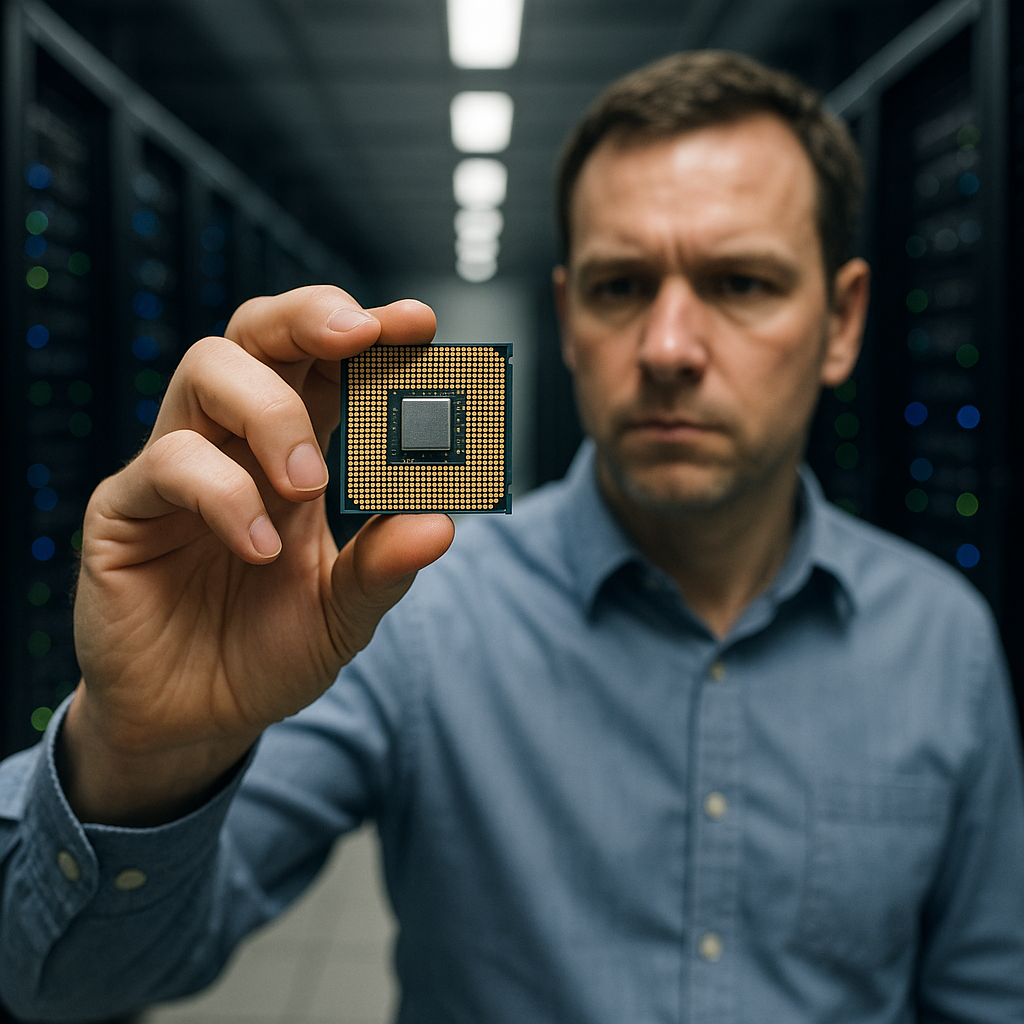
CPUs Are Back En Vogue in the Data Center
- Emphasizing the resurgence of CPUs in modern data centers can lead to enhanced performance and efficiency.
- Implementing a hybrid architecture that integrates CPUs with GPUs can optimize workloads and improve ROI.
- Understanding the cost implications of transitioning to CPU-centric data centers is crucial for long-term planning.
- Investing in scalable CPU solutions can future-proof data center operations against evolving demands.
The data center landscape is undergoing a significant transformation as CPUs regain their prominence. This shift is driven by the need for improved performance, cost efficiency, and adaptability in handling diverse workloads. With the rise of AI, machine learning, and big data analytics, CPUs are proving to be indispensable in meeting the demands of modern applications.
As organizations strive to enhance their operational capabilities, understanding the strategic value of CPUs in data centers becomes paramount. This article delves into the factors contributing to the resurgence of CPUs, their implementation strategies, and the long-term benefits they offer.
Continue Reading
The Resurgence of CPUs in Data Centers
Historically, data centers have relied heavily on GPUs for high-performance computing tasks, particularly in the realms of graphics processing and deep learning. However, recent trends indicate a shift back towards CPUs, primarily due to their versatility and ability to handle a wider range of tasks. This resurgence can be attributed to several key factors:
1. Versatility and Performance
CPUs are designed to execute a variety of tasks efficiently, making them suitable for general-purpose computing. Unlike GPUs, which excel in parallel processing but are limited in scope, CPUs can manage diverse workloads, including transactional processing, database management, and web hosting. This versatility allows organizations to consolidate their infrastructure, reducing the need for multiple specialized systems.
2. Cost Efficiency
As organizations seek to optimize their operational costs, CPUs present a more cost-effective solution compared to GPU-centric architectures. The initial investment in CPU technology is generally lower, and operational costs can be reduced through energy efficiency and lower cooling requirements. This financial advantage is particularly appealing for businesses looking to maximize their return on investment (ROI).
3. Advances in CPU Technology
Recent advancements in CPU technology, such as increased core counts, improved clock speeds, and enhanced instruction sets, have significantly boosted performance levels. Modern CPUs can now handle workloads that were previously the domain of GPUs, making them a more attractive option for data centers. Additionally, innovations in multi-threading and hyper-threading technologies have further enhanced CPU capabilities.
Implementation Strategies for CPU-Centric Data Centers
To effectively leverage the benefits of CPUs in data centers, organizations must adopt strategic implementation approaches. Here are several key strategies to consider:
1. Hybrid Architecture
Integrating a hybrid architecture that combines CPUs and GPUs can optimize performance for specific workloads. This approach allows organizations to harness the strengths of both technologies, ensuring that tasks requiring parallel processing can still benefit from GPU capabilities while general workloads are managed efficiently by CPUs.
2. Scalability Considerations
As data demands grow, scalability becomes a critical factor in data center design. Choosing CPU solutions that support scalable architectures can future-proof operations. Organizations should consider modular designs that allow for easy upgrades and expansions, ensuring that data centers can adapt to evolving technological needs.
3. Workload Optimization
Understanding the specific workloads that will be processed in the data center is essential for optimizing CPU performance. Organizations should analyze their applications to determine which tasks are best suited for CPU processing. This analysis can inform decisions regarding server configurations and resource allocation, ensuring that performance is maximized.
4. Energy Efficiency
Energy consumption is a significant concern for data centers, and CPUs can offer advantages in this area. By selecting energy-efficient CPU models, organizations can reduce their overall power consumption, leading to lower operational costs and a smaller carbon footprint. Implementing efficient cooling solutions further enhances energy savings.
Cost Implications of Transitioning to CPU-Centric Data Centers
Transitioning to a CPU-centric data center involves careful consideration of costs. Organizations must evaluate both the initial investment and ongoing operational expenses:
1. Initial Investment
The upfront costs associated with upgrading to modern CPU technology can vary significantly based on the scale of the data center and the specific hardware chosen. Organizations should conduct a thorough cost-benefit analysis to ensure that the investment aligns with their long-term goals.
2. Operational Expenses
Operational expenses, including power, cooling, and maintenance, play a crucial role in the overall cost structure of a data center. CPUs generally offer lower power consumption compared to GPUs, leading to reduced electricity bills. Additionally, the maintenance costs associated with CPU systems tend to be lower, contributing to overall savings.
3. Return on Investment (ROI)
Calculating the potential ROI of transitioning to a CPU-centric data center is essential for justifying the investment. Organizations should consider factors such as increased productivity, reduced operational costs, and the ability to scale their operations effectively. A well-structured ROI analysis can provide valuable insights into the long-term benefits of adopting CPU technology.
Risks and Challenges
While the benefits of CPUs in data centers are compelling, organizations must also be aware of potential risks and challenges:
1. Performance Limitations
Despite advancements, CPUs may still face performance limitations in certain high-demand scenarios, particularly those requiring extensive parallel processing. Organizations should carefully assess their specific workloads to determine whether a CPU-centric approach is suitable for their needs.
2. Compatibility Issues
Transitioning to a new CPU architecture may introduce compatibility challenges with existing software and applications. Organizations should conduct thorough compatibility testing to ensure that critical systems remain operational during the transition.
3. Training and Skill Development
Implementing a CPU-centric data center may require staff training and skill development to effectively manage the new technology. Organizations should invest in training programs to ensure that their teams are equipped to handle the complexities of modern CPU systems.
Future Trends in CPU Technology
The landscape of CPU technology is continuously evolving, and several trends are shaping the future of data centers:
1. AI Integration
As artificial intelligence becomes increasingly prevalent, CPUs are being designed to support AI workloads more effectively. Innovations in CPU architecture will enable organizations to harness the power of AI without relying solely on GPU technology.
2. Edge Computing
The rise of edge computing is driving demand for CPUs that can operate efficiently in decentralized environments. Organizations should consider how CPU technology can support edge computing initiatives, enabling real-time data processing and analysis closer to the source.
3. Quantum Computing
While still in its infancy, quantum computing has the potential to revolutionize data processing. Future CPU developments may incorporate quantum principles, allowing for unprecedented processing power and efficiency.
Conclusion
As CPUs make a significant comeback in data centers, organizations must strategically evaluate their implementation to maximize performance and cost efficiency. By understanding the advantages of CPU technology, adopting hybrid architectures, and planning for scalability, businesses can position themselves for long-term success in an evolving technological landscape.
Note: Provide a strategic conclusion reinforcing long-term business impact and keyword relevance.
Frequently Asked Questions
CPUs are regaining popularity due to their versatility, cost efficiency, and recent technological advancements that enhance performance for a wide range of workloads.
A hybrid architecture allows organizations to leverage the strengths of both CPUs and GPUs, optimizing performance for specific tasks while maintaining overall efficiency.
Organizations can ensure a successful transition by conducting thorough cost-benefit analyses, assessing workload requirements, and investing in staff training to manage new technologies effectively.
Call To Action
Explore how transitioning to a CPU-centric data center can enhance your operational efficiency and reduce costs. Contact us to learn more about our solutions.