
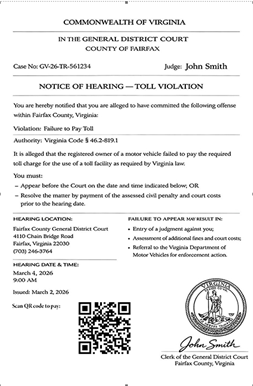
Avoid the Trap: Toll Payment Text Scam Circulating
- Recognize the characteristics of the toll payment text scam to avoid falling victim.
- Learn practical steps to protect your personal and financial information from fraudulent messages.
- Understand how to verify legitimate toll payment claims through official channels.
- Discover how reporting scams helps law enforcement combat financial crimes effectively.
The toll payment text scam is a rising threat targeting residents with fraudulent messages claiming unpaid toll charges. These scams often impersonate government agencies, such as the General District Court, to pressure recipients into making immediate payments or providing sensitive data. Understanding how these scams operate and knowing how to respond is crucial for safeguarding your personal information and finances.
In this article, we explore the mechanics of these scams, offer actionable advice on how to identify and avoid them, and explain the importance of reporting suspicious activity. Protecting yourself against such financial fraud not only secures your assets but also supports community-wide efforts to reduce cybercrime and identity theft.
Continue Reading
What Is the Toll Payment Text Scam?
The toll payment text scam is a type of phishing attack where fraudsters send deceptive text messages claiming that the recipient owes unpaid toll fees. These messages often appear to come from official sources like the General District Court or state toll authorities, creating a false sense of urgency to prompt immediate action. The scam messages typically include a link or QR code directing victims to fake websites designed to steal personal or financial information.
How Do Scammers Make These Messages Convincing?
Scammers use several tactics to make their messages appear legitimate:
- Impersonation of government agencies or transportation services to build trust.
- Including official-sounding language and legal threats to create pressure.
- Embedding links or QR codes that lead to professional-looking but fraudulent websites.
- Using spoofed phone numbers or sender IDs that mimic real organizations.
Why Is This Scam Effective?
The scam leverages fear and urgency, which are powerful psychological triggers. Recipients worry about potential legal consequences or penalties, which can prompt hasty decisions without verifying the authenticity of the message. Additionally, the increasing reliance on digital communication for official notices makes it easier for scammers to exploit trust in text messaging.
How to Identify a Toll Payment Text Scam
Identifying these scams early can prevent financial loss and identity theft. Watch for these red flags:
- Unexpected messages claiming unpaid tolls when you have no recent toll activity.
- Requests for immediate payment to avoid penalties or legal action.
- Links or QR codes that direct you to unfamiliar or suspicious websites.
- Messages that do not address you by name or lack official contact information.
- Poor grammar, spelling mistakes, or unusual formatting.
Steps to Protect Yourself from Toll Payment Text Scams
Protecting yourself requires vigilance and smart digital habits. Follow these recommendations:
- Do not click on links or scan QR codes in suspicious messages.
- Never share personal or financial information via text messages.
- Verify any toll payment claims by visiting the official toll authority or court website directly.
- Delete suspicious messages immediately and mark them as spam.
- Inform your bank immediately if you have shared financial details.
- File a police report if you suspect identity theft or financial fraud.
Using Official Resources to Verify Toll Charges
Always use official websites or customer service numbers to confirm any toll payment notices. Avoid using contact details provided in unsolicited messages. Many toll authorities offer online portals where you can securely check your account status and payment history.
What to Do If You’ve Been Targeted
If you believe you have been a victim of the toll payment text scam, take immediate action:
- Contact your financial institution to freeze or monitor your accounts.
- Change passwords for any online accounts that may be compromised.
- Report the scam to your local police department’s financial crimes unit.
- Use community reporting tools like Connect Fairfax County to aid investigations.
How Reporting Scams Helps Your Community
Reporting scams contributes to broader efforts to track and dismantle criminal networks. Law enforcement agencies use aggregated data to identify patterns, warn the public, and prosecute offenders. Your vigilance helps protect others from falling victim to similar identity theft and financial scams.
Understanding the Broader Impact of Toll Payment Scams
These scams not only cause individual financial harm but also undermine public trust in legitimate communication channels. They increase the workload for law enforcement and financial institutions and can lead to costly recovery efforts for victims. Businesses and government agencies must also invest resources in cybersecurity and public education to combat these evolving threats.
Role of Technology in Combating Scams
Advanced fraud detection systems and AI-powered filters are increasingly used to identify and block scam messages before they reach consumers. Public awareness campaigns and community engagement platforms further enhance prevention efforts by educating users on how to recognize and respond to threats.
How WordPress Site Owners Can Help Raise Awareness
For WordPress site administrators and bloggers, sharing timely and accurate information about scams like the toll payment text scam is vital. Incorporating security tips and scam alerts into your website content can help educate visitors and reduce victimization. Consider these strategies:
- Publish regular blog posts about current scams and cybersecurity best practices.
- Use SEO-optimized keywords to increase the visibility of scam awareness content.
- Integrate social media sharing options to amplify reach.
- Encourage readers to report scams and share their experiences.
Optimizing Content for Scam Prevention
Leverage search engine optimization techniques to ensure your scam prevention articles rank well for relevant queries. Focus on keywords such as “text message scam,” “toll payment fraud,” “identity theft prevention,” and “financial scam alerts” to attract users seeking help and information.
Summary: Key Takeaways to Avoid Toll Payment Text Scams
- Always verify toll payment requests through official channels.
- Never click on suspicious links or provide sensitive information via text.
- Be alert to signs of impersonation and pressure tactics.
- Report suspicious messages to law enforcement and your service providers.
- Educate yourself and others to build a community-wide defense against scams.
Frequently Asked Questions
Call To Action
Protect your personal and financial security by staying informed about the latest scams. Subscribe to our updates and share trusted resources to help your community avoid toll payment text scams and other fraudulent schemes.
Note: Provide a strategic conclusion reinforcing long-term business impact and keyword relevance.