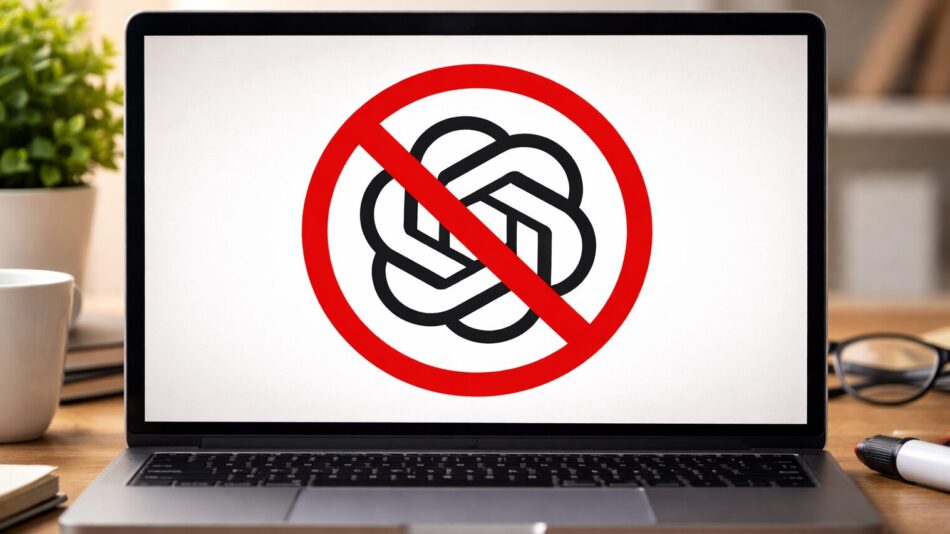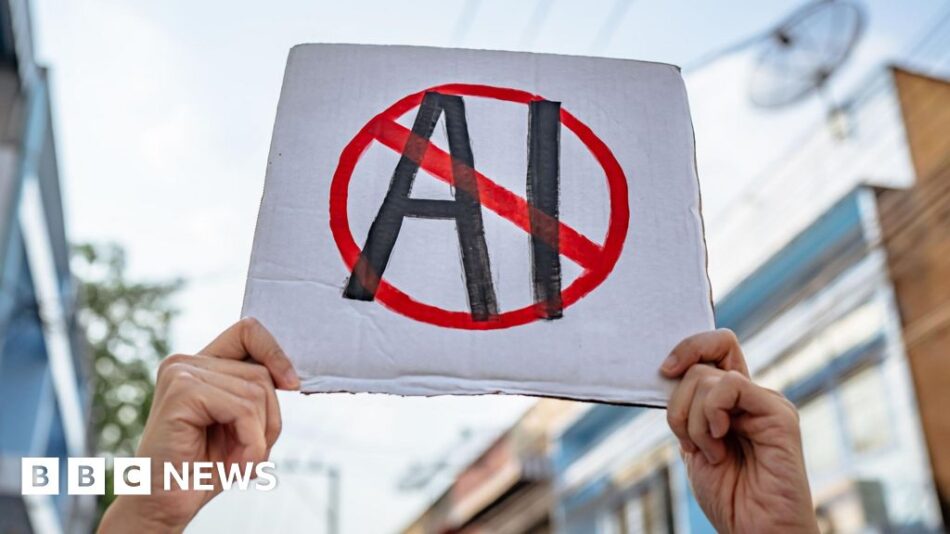
Race on to establish globally recognised ‘AI-free’ logo
- Multiple organizations worldwide are competing to create a universally accepted AI-free certification logo to identify human-made products and services.
- Defining what qualifies as human-made content is complex due to AI’s pervasive integration across industries and tools.
- Some certification systems offer free or paid labels with minimal auditing, while others enforce strict verification using AI-detection software and expert analysis.
- The arts and publishing sectors are at the forefront of this movement, emphasizing the economic and ethical value of human-authored creative work.
The rapid advancement of artificial intelligence technology has sparked a global movement to create a standardized “AI-free” logo that consumers can trust. As AI tools increasingly automate creative and professional tasks, concerns about authenticity, job displacement, and intellectual property have intensified. Various companies and non-profits from the UK, Australia, and the US are developing certification systems to label products and services as genuinely human-made, aiming to replicate the global recognition enjoyed by labels like “Fair Trade.”
However, the challenge lies in agreeing on a clear and practical definition of “AI-free,” given how deeply AI is embedded in everyday workflows. This has led to a proliferation of competing labels and certification approaches, ranging from simple downloadable badges to rigorous auditing processes. The outcome of this race will significantly influence consumer trust, industry standards, and the future of creative professions in an AI-driven world.
Continue Reading
Why is there a need for an ‘AI-free’ logo?
The surge in AI-powered automation across industries has raised concerns about the authenticity and origin of creative and professional outputs. Consumers and creators alike are seeking assurance that certain products or services are genuinely human-made rather than AI-generated or AI-assisted. This demand stems from fears of job losses, intellectual property misuse, and the dilution of human creativity.
As a result, organizations are racing to establish a globally recognised AI-free certification that can serve as a trusted mark, similar to how “Fair Trade” labels signify ethical production. Such a logo would help consumers make informed choices and support human creators, while also encouraging transparency in AI usage.
What challenges complicate defining ‘AI-free’?
Defining “AI-free” is not straightforward because AI integration is now widespread and often invisible. Many creative tools and platforms embed AI features, making it difficult to determine the extent of AI involvement in a product’s creation.
Experts like AI Research Scientist Sasha Luccioni emphasize that AI exists on a spectrum rather than a binary state. This complexity means that simple labels may not capture the nuances of AI usage, and comprehensive certification systems with clear criteria are necessary to maintain credibility and consumer trust.
What types of ‘AI-free’ certification systems exist?
Certification systems for “AI-free” products vary widely in their approach and rigor:
- Downloadable badges such as those from no-ai-icon.com, ai-free.io, and notbyai.fyi are available for free or for a fee but often lack thorough auditing or verification.
- More stringent systems like aifreecert require payment and conduct detailed vetting processes, including the use of AI-detection software and professional analysts to verify claims.
- Some services, like Not By AI, offer both a vetting service and downloadable badges, aiming to balance accessibility with credibility.
The diversity of these systems reflects the ongoing debate about what constitutes “AI-free” and the challenges of implementing universal standards.
How is the arts and publishing industry responding to AI?
The arts sector is a major battleground for the AI-free certification movement. Entire books, films, music, and artworks can now be produced using generative AI tools, often faster and cheaper than traditional methods. This has led to pushback from creators who want to protect the value of human creativity.
For example, the 2024 film Heretic included a disclaimer stating no generative AI was used in its production. Film distributor The Mise en scène Company has introduced a “No AI was used” stamp on its posters and published classification guidelines to encourage industry adoption.
In publishing, companies like Faber and Faber have begun adding “Human Written” stamps to some books, though they have not fully clarified their auditing processes. Meanwhile, startups like Books by People and Proudly Human offer more rigorous anti-AI auditing services, requiring publishers to complete questionnaires and undergo checks to verify human authorship.
What are the economic and ethical implications?
Certification of human-made content carries significant economic and ethical weight. It can create a premium market for authentic human work, helping to sustain creative professions threatened by AI automation. Moreover, it addresses concerns about intellectual property theft, as AI models often train on vast datasets without explicit consent from original creators.
Industry leaders like Proudly Human’s Alan Finkel argue that self-certification is insufficient, advocating for full verification processes to ensure genuine human origin. This approach aims to protect both creators’ rights and consumers’ trust in the products they purchase.
What is the future outlook for ‘AI-free’ certification?
The race to establish a universally recognised “AI-free” logo is ongoing and likely to evolve as AI technology advances. Experts suggest that rather than a simple binary label, future certification systems may need to account for degrees of AI involvement, offering more nuanced transparency to consumers.
Collaboration among industry stakeholders, standard-setting bodies, and consumer groups will be crucial to develop widely accepted definitions and auditing protocols. Success in this endeavor could shape the trajectory of AI adoption, creative industries, and consumer trust worldwide.
Key considerations for businesses and consumers
- Businesses should evaluate the credibility and auditing rigor of AI-free certification providers before adopting their labels to avoid misleading consumers.
- Consumers need to be aware of the differences between self-declared AI-free badges and those backed by thorough verification processes.
- Both parties should advocate for clear, consistent standards that reflect the complexities of AI integration.
- Ongoing education about AI’s role in content creation will help manage expectations and support informed decision-making.
Conclusion
The establishment of a globally recognised AI-free logo represents a critical step in addressing the challenges posed by the rise of AI in creative and professional domains. While the path to consensus is complex, the potential benefits for protecting human creativity, ensuring transparency, and fostering consumer trust are substantial. As AI continues to reshape industries, a trusted certification system will be essential for navigating this new landscape.
Frequently Asked Questions
Call To Action
Businesses and creators should proactively engage with emerging AI-free certification initiatives to safeguard their authenticity and build consumer trust in an AI-driven market.
[np_contact_btn]
Note: Provide a strategic conclusion reinforcing long-term business impact and keyword relevance.