Atlassian lays off 1,600 workers ahead of AI push
- Atlassian reduces workforce by 10% to realign focus on artificial intelligence and enterprise sales.
- More than 900 roles cut in software research and development, reflecting shifting skill requirements.
- Layoffs spread globally, with significant impact in North America, Australia, and India.
- Company aims to self-fund AI investments while improving financial sustainability and operational efficiency.
Software giant Atlassian has announced a significant restructuring plan involving the layoff of approximately 1,600 employees, representing about 10% of its global workforce. This strategic move is designed to pivot the company towards a stronger emphasis on artificial intelligence and expanding its enterprise sales capabilities. The layoffs primarily affect software engineering and research roles, reflecting the evolving demands of AI integration within the company’s product offerings.
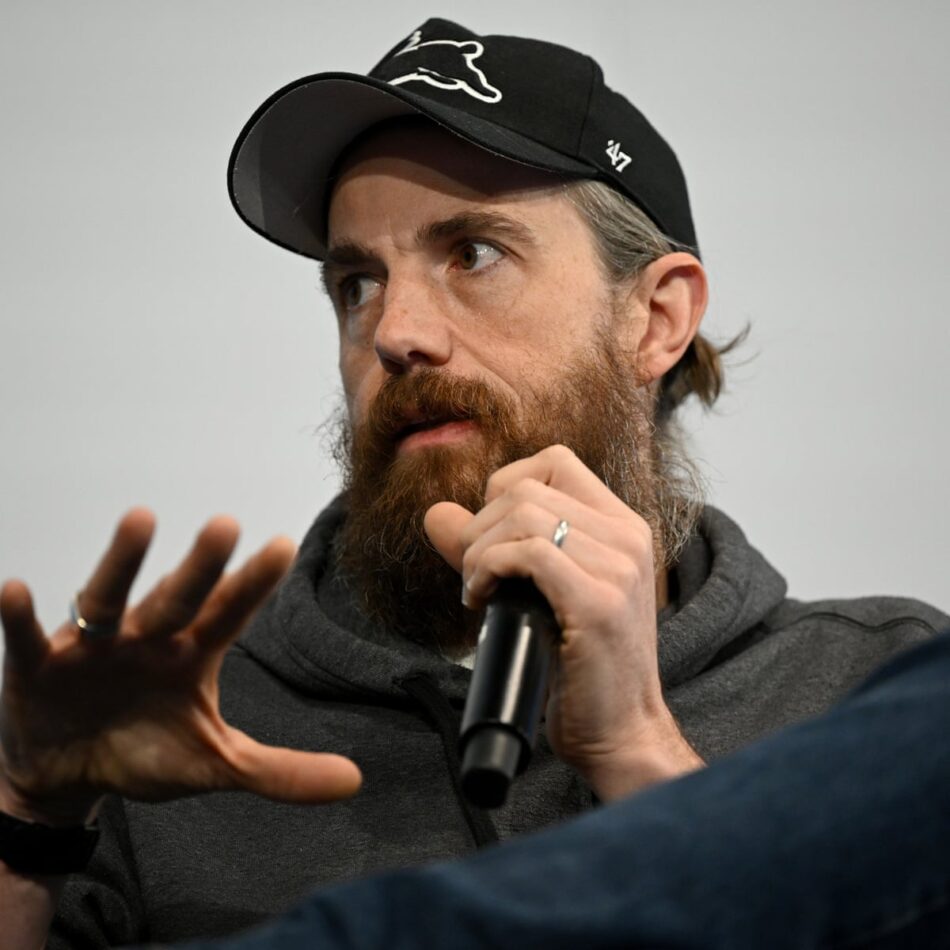
Atlassian’s leadership acknowledges the difficult nature of these decisions but underscores the necessity of adapting to the rapid technological changes driven by AI advancements. The company’s co-founder and CEO, Mike Cannon-Brookes, emphasized that while AI is reshaping the skills needed, it is not simply replacing people but transforming the workforce composition. This restructuring is also a response to a sharp decline in market value and aims to position Atlassian for sustainable growth in a competitive tech landscape increasingly influenced by AI innovation.
Continue Reading
What prompted Atlassian’s workforce reduction?
Atlassian’s decision to lay off 1,600 employees stems from a strategic realignment to prioritize AI technology and enhance its enterprise sales operations. The company has faced a substantial drop in market valuation in 2026, largely driven by investor concerns that AI advancements could render some of its traditional software services obsolete. To counter this, Atlassian is restructuring to focus on developing AI-powered solutions that meet evolving customer needs and improve operational efficiency.
The layoffs affect roughly 10% of the company’s 13,813 full-time workforce as of mid-2025, with a majority of cuts in software research and development roles. This signals a shift in the skill sets Atlassian requires, moving towards employees with expertise in AI and machine learning technologies to drive innovation in its product suite, including Jira, Confluence, and Trello.
How are the layoffs distributed geographically?
The workforce reduction impacts employees across multiple regions, reflecting Atlassian’s global presence. Approximately 640 affected employees are based in North America, 480 in Australia, and 250 in India. The remaining layoffs are spread across Japan, the Philippines, Europe, the Middle East, and Africa. This geographic distribution highlights the company’s extensive operational footprint and the broad scope of its restructuring efforts.
What is the company’s stance on AI replacing jobs?
CEO Mike Cannon-Brookes clarified that Atlassian’s approach is not about AI replacing people but rather about AI changing the mix of skills and roles needed within the company. He emphasized that while AI adoption influences workforce requirements, it does not equate to wholesale job displacement. Instead, the company aims to leverage AI to augment human capabilities and foster new opportunities for innovation and growth.
This nuanced stance reflects a growing trend in the tech industry, where companies seek to balance automation benefits with workforce transformation, ensuring employees can adapt and thrive alongside AI technologies.
What support is Atlassian providing to affected employees?
Atlassian has committed to offering comprehensive support to those impacted by the layoffs. Affected employees are expected to receive a minimum separation package of 16 weeks’ pay, extended healthcare benefits, and early pro rata bonuses. Additionally, the company provides a US$1,000 “technology payment” upon return of corporate equipment and optional one-on-one HR consultations to assist with transition planning.
Employees on parental leave will receive full pay, and extra support is available for those on visas or seeking new employment opportunities. Australian employees made redundant will be paid for but not required to work during their final three weeks, easing the transition period.
What are the financial implications of the restructuring?
Atlassian anticipates redundancy and related costs to total up to US$174 million (A$246 million), with office space reductions incurring exit charges of at least US$62 million (A$87 million). Most of these costs will be booked by the end of March 2026 and paid by the end of June. While the company has recorded losses annually since 2017, the restructuring aims to accelerate progress toward profitability and break-even status.
Following the announcement, Atlassian’s share price experienced a 4% increase in extended trading on the Nasdaq, signaling investor optimism about the company’s strategic pivot toward AI and enterprise sales growth.
Who will lead Atlassian’s technology direction post-restructuring?
The restructuring includes a leadership change, with Chief Technology Officer Rajeev Rajan stepping down at the end of March 2026. He will be succeeded jointly by Taroon Mandhana and Vikram Rao, described as “next generation AI talent.” This leadership shift underscores Atlassian’s commitment to embedding AI expertise at the highest levels of its technology strategy.
How does Atlassian’s AI-driven restructuring compare to other tech companies?
Atlassian’s layoffs follow a broader industry pattern where AI adoption is prompting workforce changes. For example, Block, the owner of Afterpay, recently cut 40% of its global workforce, citing AI-driven productivity improvements. Similarly, Australian firm WiseTech announced plans to reduce its workforce by 30% over two years, partially attributing the cuts to AI integration.
While AI is a key factor, analysts note that these companies also face other market pressures, including declining share prices and the need to optimize operations. Atlassian’s restructuring reflects this complex interplay of technology-driven change and financial strategy.
What has been the response from employees and unions?
The layoffs have drawn criticism from employee representatives and unions such as Professionals Australia, which represents many Atlassian workers. The union highlighted concerns about the lack of consultation before redundancies and called for greater transparency and respect for affected employees. They have requested urgent discussions about AI’s role in workplace changes and its direct connection to job losses.
Despite the difficult circumstances, Atlassian extended its Slack chat availability to allow employees extra time to say farewells, demonstrating some sensitivity to the human impact of the restructuring.
What does this mean for the future of AI in the workplace?
Atlassian’s restructuring illustrates a significant trend in how companies are integrating artificial intelligence into their core operations. AI is reshaping workforce needs, requiring new skills and prompting companies to rethink roles and organizational structures. While AI offers opportunities for innovation and efficiency, it also presents challenges in managing workforce transitions and maintaining employee engagement.
Businesses must balance investment in AI technology with responsible workforce management, ensuring that employees receive support and training to adapt to new roles created by AI advancements. Atlassian’s experience serves as a case study in navigating this complex transformation.
Key takeaways for businesses considering AI-driven restructuring
- Assess the evolving AI skills required and plan workforce transitions accordingly.
- Communicate transparently with employees and involve unions or representatives early in the process.
- Offer comprehensive support packages and retraining opportunities to affected staff.
- Align AI investments with clear financial goals to ensure sustainable growth.
- Prepare leadership teams with AI expertise to guide strategic innovation.
Conclusion
Atlassian’s decision to lay off 1,600 workers ahead of an intensified AI push marks a pivotal moment in the company’s evolution and reflects broader industry shifts. By prioritizing AI and enterprise sales, Atlassian aims to secure its competitive position and drive future growth. However, the restructuring also highlights the human and operational challenges that accompany AI adoption, underscoring the need for thoughtful workforce strategies and ongoing support for employees.
Frequently Asked Questions
Call To Action
Explore how strategic AI integration can transform your business operations and workforce planning to drive innovation and long-term growth.
[np_contact_btn]
Note: Provide a strategic conclusion reinforcing long-term business impact and keyword relevance.