
Artificial Intelligence Just Cracked One of Archaeology’s Biggest Mysteries After Decades of Failed Searches
- AI technology has accelerated the discovery of ancient geoglyphs in the Nazca Desert, revealing 303 new figures.
- The integration of AI with traditional archaeology enhances efficiency and accuracy in field surveys.
- New findings indicate distinct patterns in the placement of relief-style and line-type geoglyphs.
- This innovative approach sets a precedent for future archaeological research using AI and drone technology.
The intersection of artificial intelligence and archaeology has unveiled one of the most significant breakthroughs in the study of ancient civilizations. The Nazca Desert, a region shrouded in mystery for over two millennia, has revealed its secrets through advanced AI systems that have transformed the way archaeologists approach their work.
For decades, researchers have struggled to map the intricate geoglyphs of the Nazca Lines, with traditional methods yielding minimal results. The recent collaboration between archaeologists and data scientists has not only accelerated the discovery process but also provided profound insights into the cultural significance of these ancient artworks.
Continue Reading
The Nazca Desert: A Historical Overview
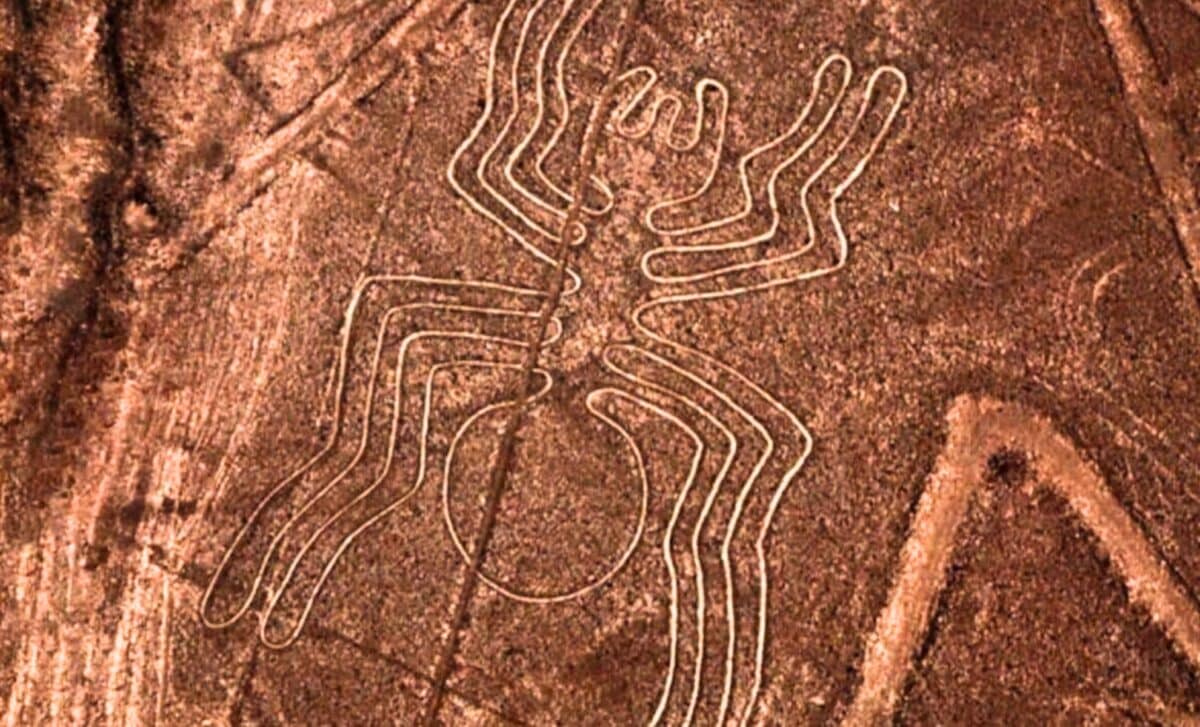
The Nazca Desert, located in southern Peru, is renowned for its vast expanse of ancient geoglyphs, known as the Nazca Lines. These geoglyphs, created by the Nazca civilization between 500 BCE and 500 CE, consist of numerous figures ranging from simple geometric shapes to complex representations of animals and humans. Despite their historical significance, many of these geoglyphs have remained undiscovered due to the challenging terrain and the erosion of the landscape over time.
Previous efforts to locate and catalog these geoglyphs involved extensive aerial surveys and ground checks, but the results were slow and often incomplete. The traditional methods relied heavily on human observation, which was both time-consuming and prone to error. As a result, archaeologists had long suspected that many geoglyphs remained hidden beneath the surface, waiting to be uncovered.
AI Technology in Archaeology
The integration of AI technology into archaeological research represents a paradigm shift in how discoveries are made. By leveraging machine learning algorithms, researchers can analyze vast amounts of data quickly and accurately, identifying patterns and anomalies that would be nearly impossible for humans to detect alone.
In the case of the Nazca Lines, a collaborative effort between archaeologist Masato Sakai from Yamagata University and data scientists at IBM Research marked a turning point in the search for new geoglyphs. This partnership utilized advanced AI systems to scan the desert landscape, significantly enhancing the efficiency of the survey process.
The AI-Accelerated Survey Process
Between September 2022 and February 2023, the team implemented an AI-accelerated survey across the entire Nazca plateau. The process began with training a deep learning model to recognize the unique visual characteristics of geoglyphs. The AI was initially trained on everyday photographs and then fine-tuned using a limited dataset of known Nazca figures.
To overcome the challenge of having only a few hundred examples, researchers divided each confirmed geoglyph into multiple overlapping tiles. This approach allowed the AI to generate a comprehensive probability map, indicating areas where geoglyphs were likely to exist. The model produced 47,410 candidate patches across the Nazca Pampa, each linked to precise coordinates for further investigation.
Field Verification and Discoveries
Following the AI analysis, human specialists took over the verification process. Utilizing high-resolution imagery from drones and aircraft, the team screened the 47,410 candidates, narrowing them down to 1,309 high-potential sites. This digital screening process involved approximately 1,200 hours of analysis before any physical fieldwork commenced.
During six months of field surveys, the team visited 341 of the most promising locations, requiring an additional 1,440 labor hours to trace faint outlines and confirm the presence of human-made shapes. The result was a remarkable catalog of 303 new figurative Nazca geoglyphs, alongside 42 previously unrecorded geometric designs. This expanded inventory now totals 683 geoglyphs across the desert.
Understanding the Geoglyphs
The newly discovered geoglyphs predominantly belong to the relief-style category, characterized by the manipulation of stones to create subtle contrasts in the landscape. These relief-style figures average about nine meters in length and are often situated on slopes or low rises, making them visible to those traversing nearby trails.
In contrast, the line-type geoglyphs, which average around 90 meters, are designed as long straight segments and wide trapezoids that can be followed over considerable distances. The motifs represented in these geoglyphs vary significantly, with relief-style figures primarily depicting humans and domesticated animals, while line-type designs favor wild creatures.
Patterns in Geoglyph Placement
The AI-guided survey revealed distinct patterns in the placement of the two styles of geoglyphs. Relief-style figures are generally located within an average of 43 meters of informal, winding trails, suggesting they were intended for local visibility. On the other hand, line-type figures are situated about 34 meters from more formal pathways that connect river valleys and ceremonial centers, indicating their role in long-distance processions.
This spatial analysis supports the hypothesis that the relief-style geoglyphs were created for those traveling along local paths, while the larger line-type figures served as markers for larger ceremonial routes.
The Impact of AI on Archaeological Research
The findings from this innovative study, published in the Proceedings of the National Academy of Sciences, highlight the transformative potential of AI in archaeological research. The new workflow has accelerated the discovery rate of geoglyphs to an unprecedented level, achieving a sixteen-fold increase compared to previous methods.
Before the advent of AI, surveys added an average of 1.5 figurative Nazca geoglyphs per year from the 1940s to the early 2000s. Following the introduction of high-resolution imagery in 2004, this rate rose to approximately 18.7 per year. However, the AI-assisted survey completed in just one field season confirmed 303 new figures, demonstrating the significant advantages of combining technology with traditional archaeological practices.
Future Implications for Archaeology
For researchers like Masato Sakai, the primary benefit of AI is not the replacement of fieldwork but rather its ability to direct and enhance it. The AI model has identified 968 high-potential sites that remain to be explored, with statistical estimates suggesting that at least 248 additional AI-proposed figures are likely genuine.
This project serves as a reference case for the application of AI in archaeology and drone-based surveys globally. The methodologies developed during this study can be adapted for various archaeological features, paving the way for future discoveries in other regions.
Challenges and Considerations
While the integration of AI into archaeological research offers numerous benefits, it is essential to consider the challenges that accompany this technology. The reliance on machine learning models necessitates a robust dataset for training, which can be difficult to obtain in fields with limited examples.
Moreover, the interpretation of AI-generated data requires careful consideration and expertise. Human archaeologists must validate the findings and ensure that the conclusions drawn from AI analyses align with historical and cultural contexts.
Conclusion
The collaboration between archaeologists and AI researchers has not only accelerated the discovery of new geoglyphs in the Nazca Desert but has also set a precedent for future archaeological endeavors. By harnessing the power of technology, researchers can uncover hidden histories and gain deeper insights into ancient civilizations.
Note: Provide a strategic conclusion reinforcing long-term business impact and keyword relevance.
Frequently Asked Questions
AI has significantly enhanced the efficiency and accuracy of archaeological research by enabling the rapid analysis of large datasets, identifying potential sites for exploration, and accelerating the discovery of new artifacts.
The survey resulted in the discovery of 303 new figurative Nazca geoglyphs and 42 geometric designs, expanding the total inventory to 683 geoglyphs and revealing distinct patterns in their placement.
This research sets a precedent for the use of AI and drone technology in archaeology, providing a framework for future studies to uncover hidden archaeological features more efficiently and accurately.
Call To Action
Explore how artificial intelligence can revolutionize your archaeological research and uncover hidden histories. Engage with our team to learn more about implementing AI in your projects.
[np_contact_btn]