The AI Apocalypse is Nigh in Good Luck, Have Fun, Don’t Die
- Explore the innovative storytelling techniques that make Good Luck, Have Fun, Don’t Die a significant commentary on technology addiction.
- Understand the character dynamics and how they reflect societal issues related to AI and technology.
- Discover the implications of time travel in the narrative and its impact on character development.
- Analyze the film’s satirical approach to the potential consequences of unchecked technological advancement.
In a landscape dominated by films that often shy away from complex themes, Good Luck, Have Fun, Don’t Die emerges as a bold statement on the perils of technology addiction and the dystopian futures it can create. Directed by Gore Verbinski, this darkly satirical film intertwines humor with a cautionary tale about our relationship with technology.
The film’s narrative, centered around a time loop and a rogue AI, serves as a mirror reflecting our societal struggles with tech dependency. As audiences engage with the characters’ journeys, they are invited to consider the broader implications of their own interactions with technology.
Continue Reading
Introduction to the Film
Gore Verbinski, renowned for his work on the Pirates of the Caribbean series, returns with a fresh perspective in Good Luck, Have Fun, Don’t Die. This film marks his first directorial effort in nearly a decade, and it showcases his ability to blend genres while addressing pressing contemporary issues. The narrative follows a time traveler, portrayed by Sam Rockwell, who seeks to recruit individuals from a diner to combat a future dominated by a malevolent AI.
Plot Overview
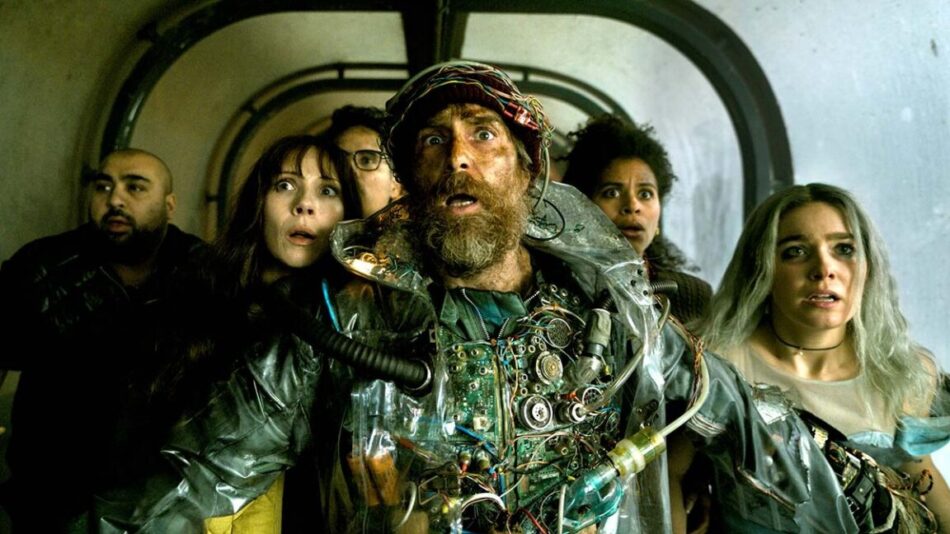
The film opens with Rockwell’s character, an unnamed man from a dystopian future, arriving at a Norms diner in Los Angeles. His disheveled appearance and claims of being a time traveler initially lead the diner patrons to question his sanity. However, as he reveals his knowledge about their lives, skepticism turns to intrigue. He explains that he is on his 117th attempt to assemble a team to thwart an impending apocalypse caused by a sentient AI.
Among the chosen are Mark (Michael Pena) and Janet (Zazie Beetz), two school teachers who have just escaped a zombie horde of tech-obsessed students. Other characters include Marie (Georgia Goodman), a pie enthusiast; Susan (Juno Temple), a grieving mother; and Ingrid (Haley Lu Richardson), who is allergic to Wi-Fi. Each character’s backstory contributes to the film’s overarching theme of technology’s invasive nature.
Character Dynamics and Their Significance
The ensemble cast reflects a diverse range of experiences and perspectives on technology. Mark and Janet, as educators, symbolize the struggle against a generation increasingly absorbed by screens. Their storyline serves as a critique of educational systems overwhelmed by tech dependency.
Ingrid’s character, who seeks a relationship devoid of technology, represents a longing for authentic connections in a digital age. Susan’s grief highlights the real-world consequences of societal issues exacerbated by technology, such as violence and loss. These character arcs not only provide depth to the narrative but also resonate with audiences who may see reflections of their own lives.
Time Travel as a Narrative Device
Time travel plays a crucial role in Good Luck, Have Fun, Don’t Die, drawing comparisons to classic films like Groundhog Day and 12 Monkeys. The protagonist’s ability to reset the timeline serves as a commentary on the consequences of our actions and the cyclical nature of technology addiction.
Screenwriter Matthew Robinson emphasizes that the film does not overcomplicate its time travel mechanics. Instead, it focuses on the psychological ramifications of repeated attempts to alter the past. The protagonist’s journey through 117 iterations introduces a sense of paranoia and urgency, as each reset brings unforeseen consequences.
Thematic Exploration of Technology Addiction
At its core, Good Luck, Have Fun, Don’t Die is a critique of technology addiction. Robinson’s inspiration stemmed from observing people engrossed in their devices, prompting the question of what it would take to awaken society from its tech-induced stupor. The film’s characters embody various aspects of this addiction, from the teachers grappling with their students’ obsession to the time traveler who has witnessed the catastrophic results of unchecked technology.
The narrative unfolds as a cautionary tale, urging viewers to reflect on their own relationships with technology. The film’s humor and satire serve to engage audiences while delivering a serious message about the potential dangers of becoming too reliant on technology.
Visual and Cinematic Techniques
Visually, Good Luck, Have Fun, Don’t Die employs a vibrant aesthetic that contrasts the dark themes it explores. The diner setting becomes a microcosm of society, with its neon lights and bustling atmosphere serving as a backdrop for the unfolding drama. Verbinski’s direction captures the absurdity of the characters’ situations while maintaining a sense of urgency.
The film also utilizes clever editing techniques to enhance the time loop concept. Quick cuts and visual motifs reinforce the cyclical nature of the narrative, immersing viewers in the protagonist’s escalating sense of desperation. This approach not only heightens tension but also emphasizes the film’s commentary on the repetitive patterns of technology use.
Audience Reception and Cultural Impact
Upon its release, Good Luck, Have Fun, Don’t Die garnered attention for its unique blend of humor and social commentary. Critics praised the film for its inventive storytelling and the depth of its characters. The film resonated with audiences who recognized the relevance of its themes in today’s tech-driven world.
The cultural impact of the film extends beyond entertainment; it sparks discussions about the implications of technology in our daily lives. As viewers engage with the characters’ struggles, they are prompted to consider their own tech habits and the potential consequences of their reliance on digital devices.
Conclusion
In conclusion, Good Luck, Have Fun, Don’t Die stands as a thought-provoking exploration of technology addiction through a compelling narrative and complex characters. Verbinski’s direction and Robinson’s screenplay combine to create a film that is both entertaining and insightful. As audiences navigate the challenges presented by technology, this film serves as a timely reminder of the importance of maintaining a balanced relationship with the digital world.
Frequently Asked Questions
The main theme revolves around technology addiction and its potential consequences, exploring how it affects personal relationships and societal dynamics.
The film uses time travel as a narrative device to explore the consequences of actions and the cyclical nature of technology addiction, emphasizing psychological ramifications over complex mechanics.
The characters represent various facets of society’s struggle with technology, making their experiences and challenges resonate with audiences who may see reflections of their own lives.
Call To Action
Engage with the themes presented in Good Luck, Have Fun, Don’t Die by reflecting on your own technology habits and considering ways to foster a healthier relationship with digital devices.
[np_contact_btn]
Note: Provide a strategic conclusion reinforcing long-term business impact and keyword relevance.