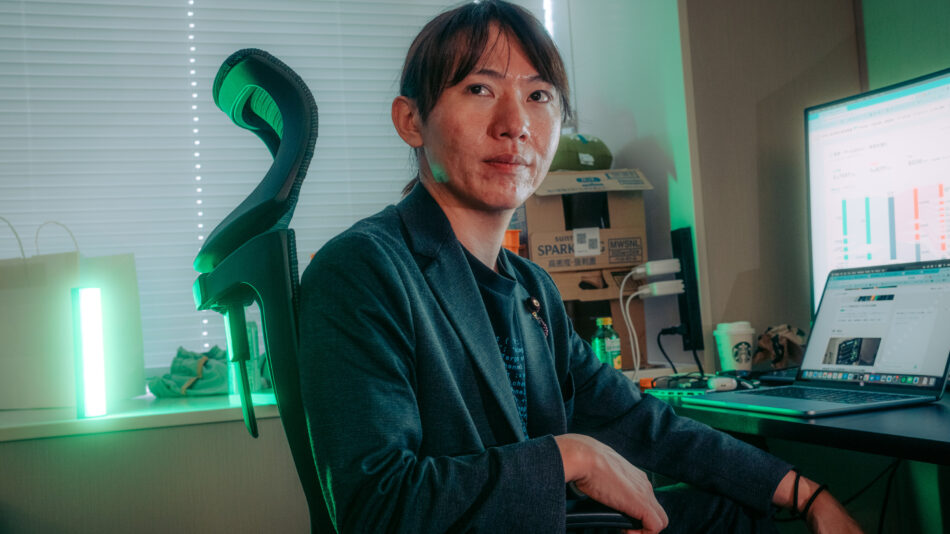
Two Years Ago, This CEO Fired 80% of His Employees Because They Refused to Use AI. Today, He Claims He Was Right
In a bold and controversial move, Suumit Shah, the CEO of the Indian tech company Dukaan, made headlines two years ago when he announced that he had laid off nearly 80% of his workforce. The reason behind this drastic decision was the employees’ reluctance to adopt artificial intelligence (AI) tools in their daily work. Today, Shah stands by his decision, asserting that it was the right choice for the future of his company.
A Radical Bet that Divided Opinion
When Shah made the announcement, the reaction was immediate and predominantly negative. Social media erupted with criticism, and many accused him of inhumanity and short-sightedness. Critics questioned how a CEO could justify firing such a large portion of his workforce simply because they were hesitant to embrace new technology.
Shah’s argument was straightforward: AI had the potential to handle a significant portion of the customer support tasks that his employees were performing. He introduced a chatbot capable of resolving 85% of customer queries in under two minutes, compared to an average of over two hours with human agents. This shift not only streamlined operations but also led to substantial cost savings for the company.
The Aftermath of the Decision
Fast forward two years, and Shah maintains that his company is more efficient than ever. Revenue has reportedly grown, customer satisfaction has improved, and the small team that remains is now focused on high-value tasks that AI cannot manage. This transformation has positioned Dukaan as a notable player in the tech industry, particularly in the realm of e-commerce.
Financial Growth and Operational Efficiency
One of the most significant outcomes of Shah’s decision has been the financial growth of Dukaan. By reducing the workforce and implementing AI technology, the company has managed to cut operational costs significantly. This financial prudence has allowed Dukaan to reinvest in other areas, such as product development and marketing, further enhancing its competitive edge.
Improved Customer Satisfaction
Another critical factor in Shah’s success story is the improvement in customer satisfaction. With AI handling the bulk of customer queries, response times have drastically decreased. Customers are now receiving faster resolutions to their issues, leading to a more positive overall experience. This shift has not only retained existing customers but also attracted new ones, contributing to the company’s growth.
Focus on High-Value Tasks
The remaining employees at Dukaan have transitioned to roles that require critical thinking, creativity, and human empathy—areas where AI still struggles. This focus on high-value tasks has empowered the team to innovate and drive the company forward, rather than getting bogged down by routine inquiries that can be automated.
The Human Cost of Automation
However, the story is not without its complexities. Several former employees have spoken out about the manner in which the layoffs were conducted. Reports indicate that the process was abrupt and lacked compassion, leaving many without adequate support during a challenging transition.
While Shah’s decision has led to positive outcomes for Dukaan, it raises important questions about the human cost of automation. The layoffs serve as a stark reminder of the potential consequences of prioritizing technology over people, sparking a broader debate about the future of work in an increasingly automated world.
Industry Perspectives on Shah’s Decision
Industry observers have pointed out that Shah’s case is not easily generalizable. What works for a tech startup like Dukaan may not apply to larger, more complex organizations. Many companies rely on a diverse workforce to manage various tasks, and a sudden shift to AI could disrupt established workflows and team dynamics.
Moreover, the debate surrounding AI’s impact on employment continues to evolve. While proponents argue that AI can enhance productivity and create new job opportunities, critics warn that it could lead to widespread job displacement. Shah’s experiment serves as a reference point in this ongoing discussion, illustrating both the potential benefits and the risks associated with rapid technological adoption.
Visionary or Cautionary Tale?
Whether one views Suumit Shah as a visionary or a cautionary tale largely depends on their stance in the debate about AI’s role in the workplace. For some, his decision represents a forward-thinking approach that embraces innovation and efficiency. For others, it symbolizes a troubling trend toward dehumanization in the workplace, where technology takes precedence over human capital.
As businesses navigate the complexities of integrating AI into their operations, they must consider the broader implications of their decisions. Balancing technological advancement with employee welfare will be crucial in shaping the future of work.
Conclusion
In conclusion, Suumit Shah’s decision to fire 80% of his employees due to their reluctance to adopt AI tools has sparked significant debate about the role of technology in the workplace. While his company has seen improvements in efficiency and customer satisfaction, the human cost of such a decision cannot be overlooked. As the conversation surrounding AI and employment continues, businesses must strive to find a balance that respects both innovation and the workforce.
Frequently Asked Questions
Shah fired the majority of his workforce because they refused to adopt artificial intelligence tools that he believed were essential for the company’s efficiency and growth.
Since the layoffs, Dukaan has experienced significant financial growth, improved customer satisfaction, and a more focused workforce that is engaged in high-value tasks.
Shah’s decision highlights the potential benefits and risks of adopting AI in the workplace. It serves as a reference point for discussions about the future of work, emphasizing the need for businesses to balance technological advancement with employee welfare.
Call To Action
If your organization is considering integrating AI into its operations, it’s essential to approach the transition thoughtfully. Ensure that your workforce is equipped with the necessary skills and support to adapt to new technologies while maintaining a focus on employee welfare.
[np_contact_btn]