This AI-proof career faces a 250,000-worker shortage—now the Trump administration is trying to revive the job millennials abandoned
- Shipbuilding is experiencing a significant workforce shortage, with an estimated 200,000 to 250,000 vacancies expected in the next decade.
- Wages in shipbuilding are rising sharply, including historic 18% raises, to attract younger workers and compete with other industries.
- Apprenticeship programs offer a debt-free, earn-while-you-learn pathway into high-demand, skilled trades that are resistant to automation.
- The Trump administration has prioritized revitalizing domestic shipbuilding to reduce foreign dependence and strengthen national security.
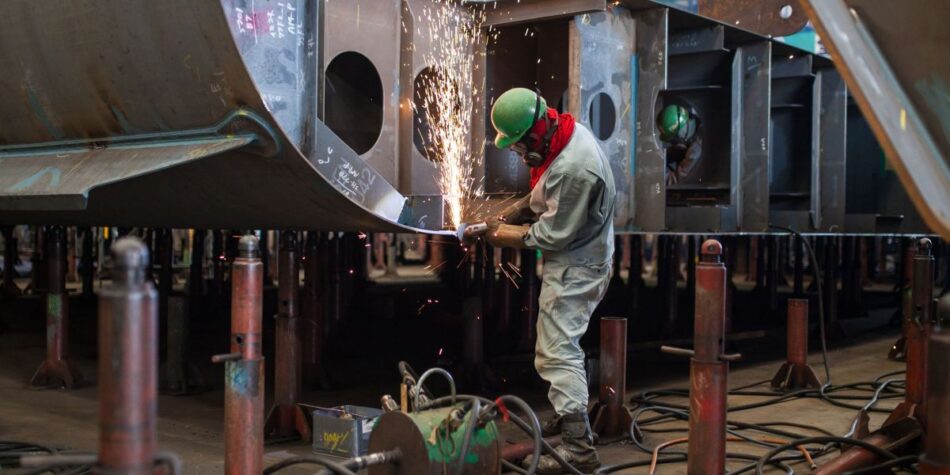
The shipbuilding industry in the United States is facing a critical shortage of skilled workers, with projections indicating a deficit of up to 250,000 employees over the coming decade. This shortage spans essential roles such as welding, soldering, and frontline management, all vital to maintaining and expanding maritime infrastructure. As older generations retire, younger workers, especially millennials, have largely moved away from these blue-collar careers, often favoring white-collar professions or higher education paths. However, with the rise of automation and AI reshaping the job market, shipbuilding presents a rare opportunity for stable, well-paying, and AI-proof jobs that do not require a traditional four-year degree.
Efforts by the Trump administration to revive this sector include executive orders aimed at restoring America’s maritime dominance and initiatives to improve wages and working conditions. These changes are designed to make shipbuilding more attractive to younger generations, particularly Gen Z, who face a challenging job market in other sectors. The combination of rising pay, apprenticeship programs, and the critical importance of maritime manufacturing underscores a growing demand for skilled workers in this manufacturing industry.
Continue Reading
Why is the U.S. shipbuilding industry facing such a severe workforce shortage?
The U.S. shipbuilding industry is confronting a workforce shortage primarily due to a generational shift and changing career preferences. As baby boomers retire, the pipeline of younger skilled workers is insufficient to replace them. Many millennials and younger workers have opted for white-collar jobs or pursued college degrees, leaving fewer individuals to enter the skilled trades that shipbuilding demands. Additionally, the physically demanding nature of shipyard work and historically modest wages contributed to the decline in interest. This shortage is compounded by the fact that shipbuilding requires specialized skills such as welding, pipefitting, and machining, which are not easily automated or outsourced.
How is the Trump administration addressing the shipbuilding workforce crisis?
The Trump administration has made revitalizing the domestic manufacturing sector a priority, with a strong focus on shipbuilding. In 2025, an executive order was signed to restore America’s maritime dominance, emphasizing increased investment in shipyards and workforce development. The administration is pushing for higher wages to make shipbuilding roles competitive with other industries, such as retail and logistics. For example, unionized workers at Huntington Ingalls Industries received an historic 18% immediate wage increase, with projections of pay rising up to 47% over five years. These measures aim to attract and retain workers by improving job stability, compensation, and career growth opportunities.
What makes shipbuilding jobs resistant to automation and AI?
Shipbuilding roles require a high degree of manual dexterity, precision, and problem-solving that current AI and automation technologies cannot easily replicate. Tasks such as welding, soldering, and complex assembly involve nuanced human judgment and adaptability. Unlike many white-collar jobs increasingly threatened by AI, these blue-collar jobs depend on skills that are difficult to automate. This makes shipbuilding a future-proof career choice, offering job security in an era of rapid technological change.
What opportunities exist for young workers interested in shipbuilding?
Young workers, especially those from Gen Z, have a unique opportunity to enter the shipbuilding industry through expanded apprenticeship programs. These programs allow individuals to earn while they learn, often without incurring student debt. Apprentices gain hands-on experience in trades like welding, electrical work, and pipefitting, while receiving competitive wages. This pathway offers a stable career with potential for advancement and skill development. Additionally, geographic hubs such as Philadelphia, San Diego, and Newport News provide concentrated job markets where these opportunities are most abundant.
How do wages and career growth in shipbuilding compare to other industries?
Wages in shipbuilding have become increasingly competitive, with average annual earnings around $67,000 for ship and boat building workers and six-figure salaries for ship engineers. Recent wage increases, such as the 18% raise at Huntington Ingalls Industries, highlight the industry’s commitment to attracting talent. Compared to other sectors like retail or logistics, shipbuilding offers higher pay, benefits, and long-term career prospects. Furthermore, the industry supports skill acquisition that can lead to supervisory and management roles, providing a clear path for career advancement.
What are the geographic and demographic challenges in revitalizing shipbuilding?
Shipbuilding jobs are concentrated in specific coastal hubs, limiting geographic flexibility for workers. Unlike trades such as plumbing or electrical work, which are widespread, shipbuilding opportunities are tied to locations with established shipyards. This concentration can pose challenges for recruitment and retention. Additionally, the current workforce is aging, with 27% over the age of 55, underscoring the urgency to attract younger workers. Efforts to expand apprenticeship programs and improve wages are critical to overcoming these challenges and ensuring a sustainable workforce.
How can companies and policymakers further support the growth of the shipbuilding workforce?
To address the workforce shortage effectively, companies and policymakers should continue investing in apprenticeship and training programs that lower barriers to entry. Promoting awareness of the manufacturing jobs available in shipbuilding and their benefits can help shift perceptions about blue-collar careers. Additionally, improving wages, benefits, and working conditions will be essential to compete with other industries. Public-private partnerships and targeted incentives can also encourage young people to pursue shipbuilding careers, ensuring long-term industry resilience.
What is the broader economic and strategic significance of revitalizing U.S. shipbuilding?
Revitalizing U.S. shipbuilding is not only an economic imperative but also a strategic one. The global shipping economy underpins international trade and energy security, and disruptions can have wide-reaching consequences. Strengthening domestic shipbuilding reduces reliance on foreign yards, enhances national security, and supports supply chain resilience. Moreover, expanding this sector creates high-quality jobs and stimulates local economies in shipyard communities. The focus on rebuilding shipbuilding aligns with broader efforts to bolster American manufacturing and infrastructure in a competitive global landscape.
What role does technology and AI play in the future of shipbuilding?
While many industries face disruption from AI and automation, shipbuilding is positioned as a sector where human skills remain indispensable. However, technology can still enhance productivity through advanced tools, robotics for repetitive tasks, and AI-powered project management systems. The integration of these technologies can improve efficiency and safety without replacing the skilled tradespeople essential to the craft. This balance between human expertise and technological support will define the future of shipbuilding jobs.
How can job seekers prepare for a career in shipbuilding?
Prospective shipbuilding workers should consider enrolling in apprenticeship programs or vocational training focused on trades like welding, machining, or electrical work. Gaining certifications and hands-on experience will increase employability. Staying informed about industry trends and wage developments can help job seekers identify the best opportunities. Additionally, relocating to shipbuilding hubs may be necessary for access to the most abundant jobs. Emphasizing the earn while you learn model can make this career path financially accessible and attractive.
What impact does the shipbuilding shortage have on the broader economy?
The shortage of skilled shipbuilding workers threatens to slow the production and maintenance of critical maritime infrastructure, which is essential for global trade and energy transportation. Delays or disruptions can increase costs and reduce competitiveness for U.S. industries reliant on shipping. Furthermore, a constrained workforce limits the ability to expand domestic manufacturing capacity, affecting economic growth and job creation. Addressing the shortage is therefore vital to sustaining economic stability and national security.
Summary of key takeaways
- The U.S. shipbuilding industry faces a significant shortage of skilled workers due to demographic shifts and changing career preferences.
- Wage increases and apprenticeship programs are key strategies to attract younger workers and revitalize the workforce.
- Shipbuilding offers AI-proof jobs with strong earning potential and career stability.
- Revitalizing shipbuilding supports economic growth, national security, and reduces foreign dependence.
- Technology complements but does not replace the skilled trades essential to shipbuilding.
Frequently Asked Questions
Call To Action
Explore apprenticeship and training opportunities in shipbuilding today to secure a stable, high-paying, and AI-proof career in a rapidly growing industry.
[np_contact_btn]
Note: Provide a strategic conclusion reinforcing long-term business impact and keyword relevance.