Edge Computing in Retail 2026: Examples, Benefits, and a Guide
- Enhance store operations with localized data processing to reduce latency and downtime.
- Leverage edge computing to improve customer experience through real-time personalization and faster transactions.
- Implement a hybrid architecture combining cloud and edge for scalable, resilient retail infrastructure.
- Adopt a step-by-step deployment roadmap to integrate edge computing across multiple retail locations efficiently.
In 2026, edge computing in retail is transforming how stores operate by processing data locally instead of relying solely on cloud servers. This shift addresses critical challenges such as latency, connectivity interruptions, and real-time decision-making that directly impact customer satisfaction and operational efficiency.
Retailers can now deploy edge devices like smart POS terminals, computer vision cameras, and IoT gateways within stores to maintain uninterrupted services even during internet outages. This article explores practical examples, key benefits, and a comprehensive guide to implementing edge computing in retail environments, helping businesses future-proof their technology and maximize profitability.
Continue Reading
What Is Edge Computing in Retail?
Edge computing in retail refers to the practice of processing data and running applications close to the physical location where the data is generated—typically inside or near the retail store—rather than sending it to distant cloud data centers. This local processing reduces latency, enhances reliability, and improves data privacy.
For example, instead of sending a video feed from an in-store camera to the cloud for analysis, an edge device processes the footage onsite and only transmits relevant alerts or insights to the cloud. This approach enables real-time responses for tasks like loss prevention, inventory management, and personalized customer interactions.
Why Is Edge Computing Accelerating in Retail in 2026?
The adoption of edge computing in retail is accelerating due to several converging factors:
- AI workloads requiring ultra-low latency: Real-time applications such as computer vision for theft detection and instant personalized recommendations demand processing speeds that cloud-only solutions cannot guarantee.
- Physical stores remain dominant revenue centers: Despite ecommerce growth, about 80% of retail sales still occur in brick-and-mortar locations, necessitating smart, responsive in-store technologies.
- Operational resilience needs: Internet outages or network disruptions can cripple store operations, making local processing essential to avoid lost sales and customer dissatisfaction.
- Security and compliance: Processing sensitive customer data locally reduces exposure and helps meet regulatory requirements.
Top Edge Computing Use Cases in Retail
Retailers are deploying edge computing to power a variety of critical applications:
- Smart POS terminals: These devices handle transactions, loyalty validations, and discounts locally, ensuring checkout continuity during network failures.
- Computer vision cameras: Onsite video analytics detect shoplifting, monitor shelf stock, and analyze customer traffic without sending raw footage to the cloud.
- IoT gateways: Aggregating sensor data such as temperature, foot traffic, and shelf weight, these devices perform initial data processing before syncing with central systems.
- Interactive kiosks and digital signage: These leverage cached customer data to deliver personalized content instantly, enhancing engagement without cloud delays.
- Back-office micro servers: Compact servers running local inventory management, analytics, and operational apps to maintain store autonomy.
Edge vs. Cloud vs. Hybrid Architectures for Retail Teams
While cloud computing offers centralized scalability and powerful analytics, it can introduce latency and single points of failure. Edge computing complements the cloud by processing latency-sensitive and critical workloads locally. A hybrid approach combines the strengths of both:
- Edge handles real-time transactions, local analytics, and immediate customer interactions.
- Cloud manages large-scale data aggregation, long-term analytics, and centralized orchestration.
This hybrid model ensures stores remain operational during connectivity issues while benefiting from cloud scalability and advanced AI capabilities.
Architecture Blueprint: What a Retail Edge Stack Looks Like
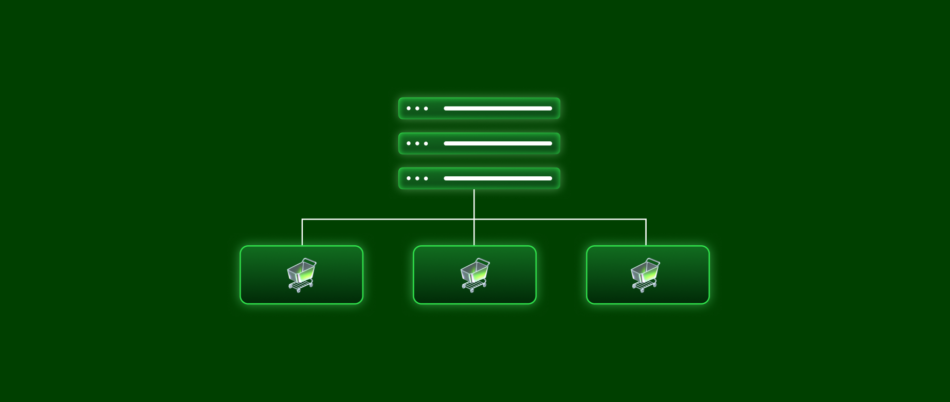
A typical retail edge computing stack consists of several layers:
- Edge Devices: Smart POS systems, cameras, sensors, kiosks, and micro servers deployed onsite.
- Edge Gateway: Aggregates data from devices, performs initial processing, and manages local network communication.
- Edge Orchestration: Software that manages workloads, updates, and security policies across edge devices.
- Cloud Integration: Connects edge systems to cloud platforms for centralized management, data storage, and advanced analytics.
This layered architecture supports scalability and flexibility, allowing retailers to customize deployments based on store size, location, and operational needs.
Implementation Roadmap: How to Deploy Edge Computing in Retail Stores
Successful edge computing adoption requires a structured approach:
- Assess Business Needs: Identify latency-sensitive applications, critical store functions, and pain points caused by network dependencies.
- Design Hybrid Architecture: Define which workloads run at the edge versus the cloud, considering security and compliance requirements.
- Select Hardware and Software: Choose edge devices, gateways, and orchestration tools compatible with existing retail systems.
- Pilot Deployment: Implement edge computing in a limited number of stores to validate performance and gather feedback.
- Scale Rollout: Gradually expand edge infrastructure across all locations, ensuring staff training and support.
- Monitor and Optimize: Continuously analyze system performance, update AI models, and refine edge-cloud workflows.
Risks, Pitfalls, and How to Avoid Them
Edge computing introduces new challenges that retailers must manage carefully:
- Security risks: Local devices can be vulnerable to physical tampering or cyberattacks. Implement strong encryption, access controls, and regular patching.
- Complexity of management: Distributing computing resources increases operational complexity. Use centralized orchestration tools to maintain consistency.
- Integration challenges: Legacy retail systems may not easily interface with edge infrastructure. Plan for middleware or API integration layers.
- Cost considerations: Initial investment in edge hardware and software can be significant. Focus on ROI by prioritizing high-impact use cases.
The Outlook for 2026 and Beyond: What’s Changing in Retail Edge Computing?
Looking forward, edge computing in retail will evolve with advances in AI, 5G connectivity, and IoT proliferation. Retailers can expect:
- More sophisticated AI models running locally to enhance personalization and operational automation.
- Greater adoption of 5G networks enabling faster and more reliable edge-cloud communication.
- Expansion of edge computing beyond stores into warehouses and supply chains for end-to-end digital transformation.
- Increased focus on sustainability by optimizing energy use and reducing data center dependence.
Retailers who invest in edge computing today will gain a competitive advantage by delivering seamless, intelligent, and resilient customer experiences.
The Platform Built for Future-Proofing Retail
Modern retail platforms are integrating edge computing capabilities to help businesses scale efficiently. Solutions that offer seamless integration of edge devices with cloud services empower retailers to innovate rapidly while maintaining operational continuity. By choosing platforms designed for hybrid architectures, retailers can ensure their technology stack remains adaptable to evolving market demands and customer expectations.
Frequently Asked Questions
Call To Action
Discover how integrating edge computing with your retail operations can enhance customer experience and operational resilience—connect with our experts to future-proof your business today.
[np_contact_btn]
Note: Provide a strategic conclusion reinforcing long-term business impact and keyword relevance.