Microsoft CEO Satya Nadella Reflects on Bill Gates’ Doubts About OpenAI Investment
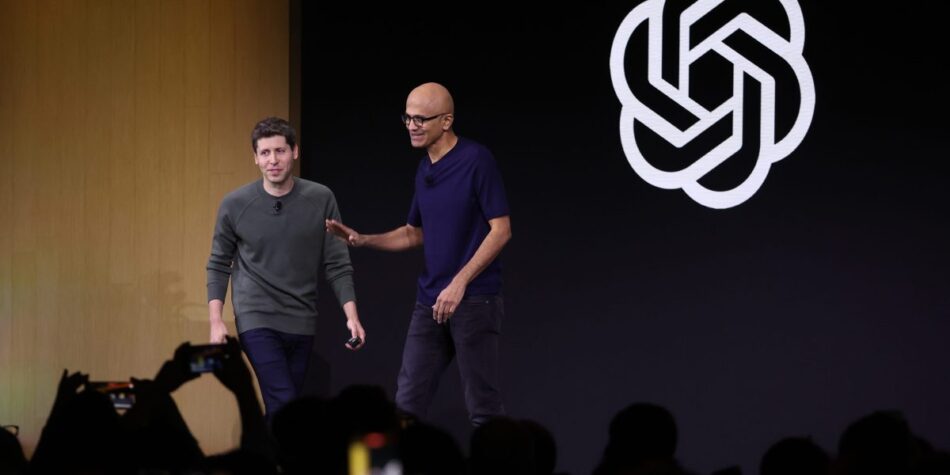
Microsoft’s CEO Satya Nadella recently shared insights about the company’s early investment in OpenAI, revealing that even co-founder Bill Gates expressed skepticism about the venture. This conversation highlights the risks and rewards associated with pioneering investments in emerging technologies.
Despite initial doubts, Nadella’s vision for artificial intelligence has propelled Microsoft to the forefront of the industry, showcasing the transformative potential of AI and the strategic decisions that led to significant financial gains.
Continue Reading
The Initial Investment in OpenAI
In 2019, Microsoft made a bold move by investing $1 billion in OpenAI, a startup focused on artificial intelligence research. At the time, the investment was seen as risky, especially considering OpenAI’s nonprofit status and the uncertainty surrounding AI technologies. Nadella recalled a conversation with Bill Gates, who cautioned him, saying, “Yeah, you’re going to burn this billion dollars.”
Despite this skepticism, Nadella and his team recognized the potential of AI and the importance of establishing a foothold in this rapidly evolving field. Nadella noted that convincing the board to approve the investment was challenging, but the team’s high risk tolerance and belief in AI’s future made it a compelling case.
Strategic Goals Behind the Investment
The investment in OpenAI was not merely about financial returns; it was part of a broader strategy to enhance Microsoft’s Azure cloud platform. By partnering with OpenAI, Microsoft aimed to integrate advanced AI capabilities into its cloud services, thereby attracting more customers and driving growth.
Key strategic goals included:
- Enhancing Azure’s AI capabilities to compete with other cloud providers.
- Leveraging OpenAI’s research to improve Microsoft products and services.
- Positioning Microsoft as a leader in AI technology.
Growth and Expansion of the Partnership
As the partnership evolved, Microsoft’s investment in OpenAI grew significantly. By October 2025, Microsoft had invested a total of $13 billion, underscoring the success of the initial gamble. This investment not only provided Microsoft with a substantial stake in OpenAI but also allowed the company to benefit from the rapid advancements in AI technology.
OpenAI’s restructuring in 2025 granted Microsoft a 27% stake in the company, valued at approximately $135 billion. This strategic move allowed Microsoft to maintain a competitive edge in the AI landscape while also relinquishing some exclusivity over OpenAI’s services.
Financial Impact of OpenAI on Microsoft
The financial implications of the partnership have been substantial. Reports indicate that OpenAI contributed $7.6 billion to Microsoft’s net income, showcasing the profitability of the investment. Furthermore, under a revised agreement, OpenAI committed to paying 20% of its revenue to Microsoft through 2032, ensuring a continuous stream of income for the tech giant.
This arrangement also provided OpenAI with greater flexibility in sourcing its computational needs, allowing it to explore partnerships beyond Microsoft. Such strategic decisions highlight the dynamic nature of the tech industry and the importance of adaptability in business relationships.
Bill Gates’ Evolving Perspective on AI
Initially skeptical about the potential of AI, Bill Gates has since acknowledged the technology’s rapid development and transformative capabilities. In a recent appearance on The Tonight Show, Gates expressed his belief that AI could eventually handle most tasks currently performed by humans, stating, “There will be some things we reserve for ourselves, but in terms of making things and moving things and growing food, over time those will be basically solved problems.”
This shift in perspective reflects a broader trend within the tech industry, where leaders are increasingly recognizing the potential of AI to revolutionize various sectors.
Challenges and Considerations in AI Investments
Investing in AI technology comes with its own set of challenges and considerations. Companies must navigate ethical concerns, regulatory frameworks, and the fast-paced nature of technological advancements. Key challenges include:
- Ensuring ethical use of AI and addressing potential biases in algorithms.
- Navigating regulatory landscapes that may impact AI deployment.
- Maintaining a competitive edge in a rapidly evolving market.
Firms must also consider the long-term implications of their investments in AI, including the potential for job displacement and the need for workforce reskilling.
Future Outlook for Microsoft and OpenAI
Looking ahead, the partnership between Microsoft and OpenAI is poised for continued growth. As AI technology advances, Microsoft is well-positioned to leverage these innovations to enhance its product offerings and maintain its leadership in the tech industry.
Future opportunities may include:
- Expanding AI capabilities across Microsoft’s suite of products.
- Developing new AI-driven services for businesses and consumers.
- Exploring international markets for AI applications.
As the landscape of AI continues to evolve, Microsoft’s strategic decisions will play a crucial role in shaping the future of technology.
Frequently Asked Questions
Microsoft initially invested $1 billion in OpenAI in 2019.
As of now, Microsoft has invested a total of $13 billion in OpenAI.
Microsoft owns a 27% stake in OpenAI.
Call To Action
As the AI landscape continues to evolve, businesses must stay informed and adaptable. Consider exploring partnerships and investments in AI technologies to drive innovation and growth in your organization.
[np_contact_btn]
Note: The journey of Microsoft and OpenAI serves as a compelling case study in the potential rewards of strategic investments in emerging technologies, illustrating the importance of vision and risk management in business.