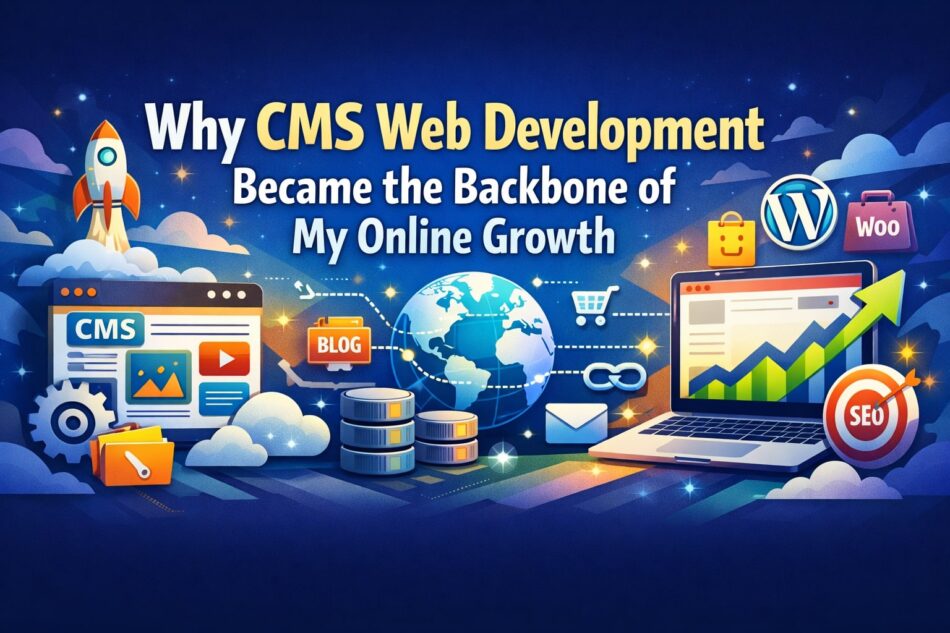
Why CMS Web Development Became the Backbone of My Online Growth
In the digital age, having a robust online presence is crucial for businesses and individuals alike. Content Management Systems (CMS) have emerged as essential tools for managing and delivering online content efficiently. This article explores the significance of CMS web development and how it has become the backbone of my online growth.
Understanding CMS Web Development
A Content Management System (CMS) is a software application that allows users to create, manage, and modify content on a website without needing specialized technical knowledge. CMS platforms simplify the process of web development, enabling users to focus on content creation rather than the underlying code.
Types of CMS
There are several types of CMS available, each catering to different needs:
- Open Source CMS: Platforms like WordPress, Joomla, and Drupal are free to use and highly customizable.
- Proprietary CMS: These are paid solutions such as Adobe Experience Manager and Sitecore, offering advanced features and support.
- Cloud-Based CMS: Services like Wix and Squarespace provide user-friendly interfaces and hosting solutions.
Benefits of Using a CMS
Implementing a CMS for web development comes with numerous benefits that can significantly enhance online growth:
1. User-Friendly Interface
Most CMS platforms feature intuitive dashboards that allow users to manage content easily. This accessibility means that even those without coding skills can update their websites, publish articles, and manage multimedia content.
2. SEO Optimization
Search Engine Optimization (SEO) is critical for online visibility. Many CMS platforms come equipped with built-in SEO tools or plugins that help optimize content for search engines. This feature is essential for driving organic traffic to a website.
3. Scalability
As businesses grow, their websites need to scale accordingly. CMS platforms allow for easy expansion, enabling users to add new pages, features, and functionalities without significant overhauls.
4. Mobile Responsiveness
With the increasing use of mobile devices, having a mobile-responsive website is crucial. Most modern CMS platforms offer responsive design templates that ensure websites look great on any device.
5. Security Features
Security is a significant concern for any online presence. CMS platforms often provide regular updates and security patches to protect against vulnerabilities, ensuring that user data remains secure.
How CMS Web Development Fueled My Online Growth
My journey into the world of online content began with the implementation of a CMS. Here’s how it has significantly impacted my growth:
1. Streamlined Content Creation
Before using a CMS, creating and managing content was a cumbersome process. With a user-friendly CMS, I can quickly create, edit, and publish articles, allowing me to focus on quality rather than the technical details of web development.
2. Enhanced Online Visibility
Utilizing SEO tools within my CMS has dramatically improved my website’s visibility. By optimizing my content and utilizing keywords effectively, I have seen a significant increase in organic traffic.
3. Building a Community
With the ease of managing comments and user interactions through my CMS, I have been able to foster a community around my content. Engaging with readers and receiving feedback has helped me improve my offerings and build loyalty.
4. Efficient Marketing Strategies
CMS platforms often integrate with various marketing tools, enabling me to run email campaigns, social media promotions, and analytics seamlessly. This integration has allowed me to track performance and adjust strategies in real-time.
5. Cost-Effective Solution
Investing in a CMS has proven to be a cost-effective solution for my online growth. The initial setup costs are often outweighed by the savings in time and resources, allowing me to allocate funds to other areas of my business.
Choosing the Right CMS for Your Needs
When selecting a CMS for your web development needs, consider the following factors:
1. Purpose and Goals
Identify the primary purpose of your website. Are you looking to create a blog, an e-commerce site, or a portfolio? Your goals will dictate which CMS is best suited for your needs.
2. Ease of Use
Look for a CMS with an intuitive interface that matches your technical skills. A user-friendly platform will save you time and frustration.
3. Customization Options
Ensure that the CMS allows for customization to match your brand identity. The ability to modify themes and add plugins is crucial for creating a unique online presence.
4. Support and Community
A strong support system and active community can be invaluable. Check for forums, documentation, and customer service options to assist you when needed.
5. Budget
Consider your budget for both initial setup and ongoing maintenance. Open-source options may be more cost-effective, while proprietary solutions may offer additional features and support.
Future Trends in CMS Web Development
As technology continues to evolve, so do CMS platforms. Here are some upcoming trends that may shape the future of CMS web development:
1. Artificial Intelligence
AI integration within CMS platforms is expected to enhance content creation, personalization, and user experience. Features like chatbots and automated content suggestions will become more prevalent.
2. Headless CMS
Headless CMS separates the backend from the frontend, allowing for greater flexibility in content delivery across various platforms. This approach is gaining traction as businesses seek to provide seamless experiences across devices.
3. Enhanced Security Measures
As cyber threats continue to rise, CMS platforms will likely implement more robust security features, including advanced encryption and multi-factor authentication.
4. Greater Focus on User Experience
Future CMS developments will prioritize user experience, with improved interfaces and tools that facilitate better engagement and interaction.
5. Integration with Emerging Technologies
As technologies like Augmented Reality (AR) and Virtual Reality (VR) become more mainstream, CMS platforms will need to adapt to support these innovations for content delivery.
Frequently Asked Questions
A CMS, or Content Management System, is a software application that allows users to create and manage digital content easily. It is important for web development because it simplifies the process of building and maintaining a website, enabling users to focus on content rather than technical details.
A CMS can improve your website’s SEO by providing tools and plugins that help optimize content for search engines. Features such as meta tags, keyword management, and analytics integration allow for better tracking and enhancement of SEO strategies.
When choosing a CMS, consider factors such as your website’s purpose, ease of use, customization options, support availability, and budget. These elements will help you select the right platform for your needs.
Call To Action
Ready to take your online presence to the next level? Invest in a CMS that suits your needs and watch your growth soar. Contact us today to learn more about how we can assist you in choosing the right CMS for your business.
Note: Embracing CMS web development can be a game-changer for your online growth. By leveraging the right tools and strategies, you can create a powerful online presence that drives engagement and success.