This AI artist wants African heritage to ‘live forever’
- Leverage AI to digitally preserve and recreate lost African heritage sites and cultural narratives.
- Utilize immersive technologies like virtual reality and holographic displays to engage audiences with historical African experiences.
- Implement multilingual AI solutions to safeguard diverse African languages and oral histories.
- Expand digital heritage projects across multiple African countries to foster pan-African cultural preservation.
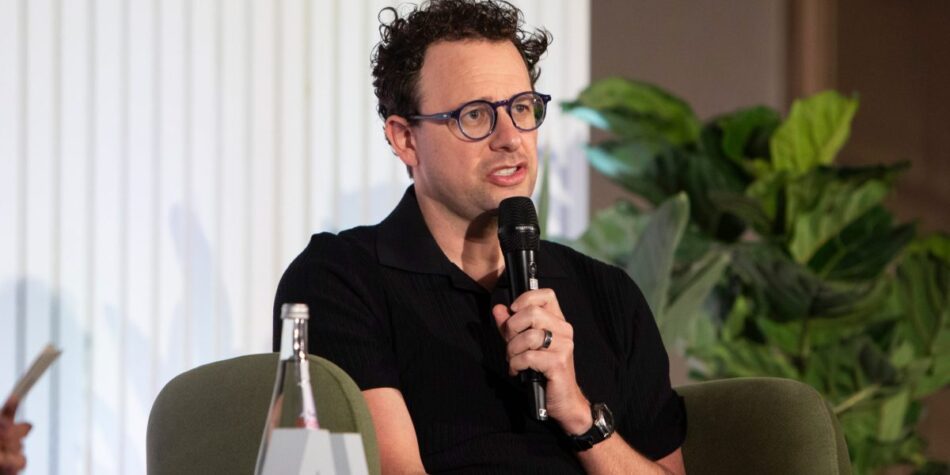
Across Africa, the loss of oral histories and cultural artifacts poses a significant threat to preserving the continent’s rich heritage. Nigerian artist and filmmaker Malik Afegbua is pioneering a unique approach to this challenge by harnessing artificial intelligence and immersive technologies to ensure that African stories and traditions live forever. His innovative projects combine AI-generated recreations of historical sites with digital twins of elders, enabling interactive and accessible cultural experiences.
Afegbua’s work not only revives lost heritage but also addresses the urgent need to protect African languages and oral histories that risk disappearing. By integrating AI with virtual reality and holography, his initiatives offer scalable, engaging, and educational platforms that connect modern audiences with Africa’s past. This article explores how Afegbua’s AI-driven projects are reshaping cultural preservation and the implications for the future of digital heritage preservation in Africa.
Continue Reading
How is AI transforming the preservation of African heritage?
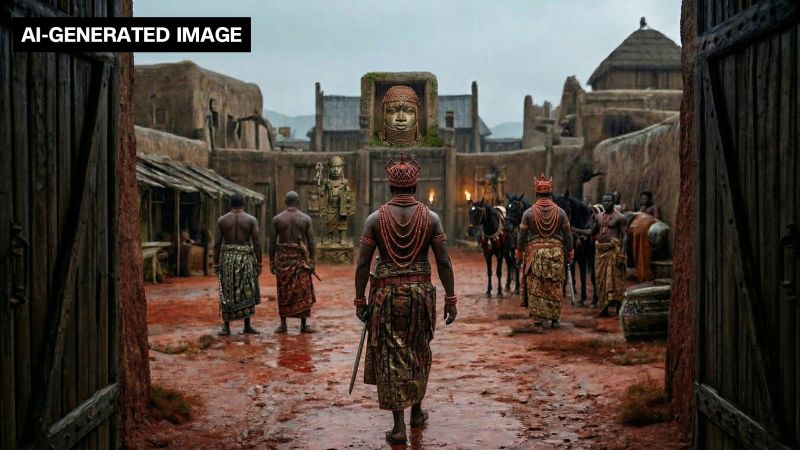
AI is revolutionizing African heritage preservation by enabling the digital reconstruction of lost or damaged cultural sites and by immortalizing oral histories through interactive technologies. Malik Afegbua’s Rememory project exemplifies this by using AI to recreate the historical Benin City, which was largely destroyed in 1897. Through detailed historical records and academic research, AI algorithms generate visual and spatial representations of the city’s walls, palaces, and artifacts, allowing users to explore a virtual version of a once-thriving metropolis.
This approach not only safeguards cultural heritage but also democratizes access, as people worldwide can interact with these digital reconstructions via smartphones, computers, or virtual reality headsets. The use of AI thus bridges the gap between past and present, making history tangible and immersive for younger generations and global audiences alike.
What is the LegacyLink project and how does it use AI?
LegacyLink is Malik Afegbua’s ambitious initiative to preserve African elders’ stories and cultural knowledge by creating “digital twins” — AI-driven holographic representations that simulate real conversations. By interviewing elders, recording their narratives, and capturing 3D scans of family heirlooms like masks and drums, Afegbua collects rich data to train AI models that can respond to questions as if the elders were physically present.
These digital twins are designed to be displayed in public spaces such as airports, museums, and community centers, offering an interactive experience where visitors can ask questions and receive AI-generated answers based on authentic interviews. Additionally, an online chatbot version will make the project accessible globally, preserving intangible heritage and fostering cross-generational learning.
Why is preserving African languages critical in AI heritage projects?
With thousands of languages spoken across Africa, many of which are endangered, preserving linguistic diversity is essential to maintaining cultural identity. Afegbua emphasizes the importance of human translations in his projects because current AI models often lack the nuanced understanding required for many African languages and dialects. This linguistic preservation ensures that stories and traditions retain their original meanings and cultural significance.
Incorporating multilingual AI capabilities in heritage preservation not only protects languages but also enhances inclusivity, allowing more communities to engage with their history in their native tongues. This approach supports the broader goal of cultural sustainability and respect for indigenous knowledge systems.
What challenges does AI face in recreating African heritage?
AI-driven heritage preservation faces several challenges, including data scarcity, cultural sensitivities, and technological limitations. Historical records for many African sites are incomplete or fragmented, making accurate AI recreations difficult. Additionally, some communities are hesitant to share sacred stories or artifacts due to cultural taboos, requiring sensitive and respectful engagement by project leaders.
Technologically, AI models must be trained to understand complex cultural contexts and languages, which demands extensive collaboration with linguists, historians, and local communities. Furthermore, ensuring equitable access to the resulting digital content across regions with varying internet infrastructure remains a logistical hurdle.
How can businesses and cultural institutions benefit from AI heritage projects?
Businesses and cultural institutions can leverage AI heritage projects to enhance educational offerings, boost tourism, and foster cultural diplomacy. Museums can integrate AI-generated exhibits and holographic storytellers to create engaging visitor experiences. Tourism operators can use virtual reality tours of reconstructed heritage sites to attract global audiences and generate new revenue streams.
Moreover, these projects provide opportunities for partnerships with technology firms, content creators, and academic institutions, driving innovation and job creation in the cultural tech sector. Investing in digital heritage preservation also aligns with corporate social responsibility goals by supporting cultural sustainability and community empowerment.
What is the future outlook for AI in African heritage preservation?
The future of AI in African heritage preservation is promising, with expanding projects like LegacyLink aiming to interview thousands of elders across multiple countries by 2028. As AI technology advances, the fidelity and interactivity of digital twins and virtual reconstructions will improve, making heritage experiences more immersive and accessible.
Additionally, growing awareness of the importance of cultural preservation is likely to spur increased funding and collaboration between governments, NGOs, and private sector stakeholders. The integration of AI with augmented reality, blockchain for provenance tracking, and advanced language processing will further enhance the authenticity and reach of these initiatives.
Case Study: Recreating Benin City with AI
Benin City, once a powerful African kingdom, was devastated during British colonial expeditions in 1897. Today, only remnants of its massive earthworks and palaces remain. Afegbua’s Rememory project uses AI to reconstruct these lost structures digitally, based on historical texts, archaeological findings, and oral histories.
The AI-generated model includes the city’s 18-meter-tall defensive walls that once stretched over 1,200 kilometers. Users can explore these virtual spaces through VR, gaining insights into the city’s architectural grandeur and cultural significance. This project not only educates but also honors the resilience of African civilizations and counters the erasure caused by colonial destruction.
How does immersive technology enhance cultural education?
Immersive technologies like virtual reality (VR) and holography transform passive learning into active engagement. By experiencing reconstructed heritage sites or conversing with AI-generated elders, users develop a deeper emotional connection and understanding of African cultures.
This experiential learning supports retention and empathy, especially among younger generations who may be distant from traditional storytelling methods. Furthermore, immersive platforms can be tailored for educational institutions, enabling curriculum integration that highlights African history and diversity through cutting-edge technology.
What role does community involvement play in AI heritage projects?
Community involvement is crucial to the authenticity and success of AI heritage initiatives. Engaging elders, cultural custodians, and local experts ensures that the data collected respects traditions and accurately reflects lived experiences. It also helps navigate ethical considerations around sharing sensitive information.
Afegbua’s approach includes extensive interviews and collaboration with communities in Nigeria, Kenya, and Cameroon, aiming to interview 1,000 elders by 2028. This participatory model fosters ownership and trust, which are essential for sustainable cultural preservation.
How scalable are AI-driven heritage preservation projects?
AI heritage projects are highly scalable due to digital platforms’ ability to reach global audiences without physical constraints. Once data is collected and AI models are trained, virtual reconstructions and digital twins can be replicated and adapted for multiple languages and cultural contexts.
Cloud computing and mobile technology further facilitate scalability, allowing users from remote regions to access content. However, scalability depends on addressing infrastructure challenges and ensuring ongoing funding and community engagement.
What are the economic implications of AI in cultural preservation?
Investing in AI for cultural preservation can stimulate economic growth by creating new markets in cultural tourism, digital content creation, and educational technology. It also promotes job creation in AI development, heritage management, and multimedia production sectors.
Moreover, digital heritage projects can attract international grants and partnerships, positioning African countries as leaders in innovative cultural preservation. This economic potential encourages governments and private entities to support AI-driven heritage initiatives as part of broader development strategies.
How can AI help restore lost African artifacts and symbols?
AI can analyze fragmented artifacts, historical images, and oral descriptions to reconstruct lost objects and symbols digitally. By generating 3D models and virtual replicas, AI helps museums and cultural institutions display and interpret heritage that no longer physically exists.
This digital restoration preserves cultural memory and provides a resource for researchers, educators, and the public. Afegbua’s work aims to restore not only physical artifacts but also languages and symbols, enriching the holistic understanding of African heritage.
What ethical considerations arise with AI heritage preservation?
Ethical concerns include data privacy, cultural sensitivity, and consent from communities and individuals whose stories and likenesses are digitized. There is also the risk of misrepresentation or commodification of cultural heritage.
To address these issues, projects like LegacyLink emphasize collaboration with cultural custodians, transparent data governance, and respect for intellectual property rights. Ethical AI use ensures that heritage preservation empowers communities rather than exploits them.
Summary: Key takeaways on AI and African heritage preservation
- AI technology enables the digital resurrection of lost African heritage sites and oral histories.
- Immersive experiences like VR and holography deepen cultural engagement and education.
- Multilingual AI solutions are essential to preserving Africa’s linguistic diversity.
- Community collaboration ensures authenticity, ethical integrity, and sustainability.
- AI heritage projects offer economic opportunities and promote global cultural awareness.
Frequently Asked Questions
Call To Action
Discover how integrating AI-driven cultural preservation can enhance your organization’s impact and connect communities with their heritage through innovative digital experiences.
Note: Provide a strategic conclusion reinforcing long-term business impact and keyword relevance.