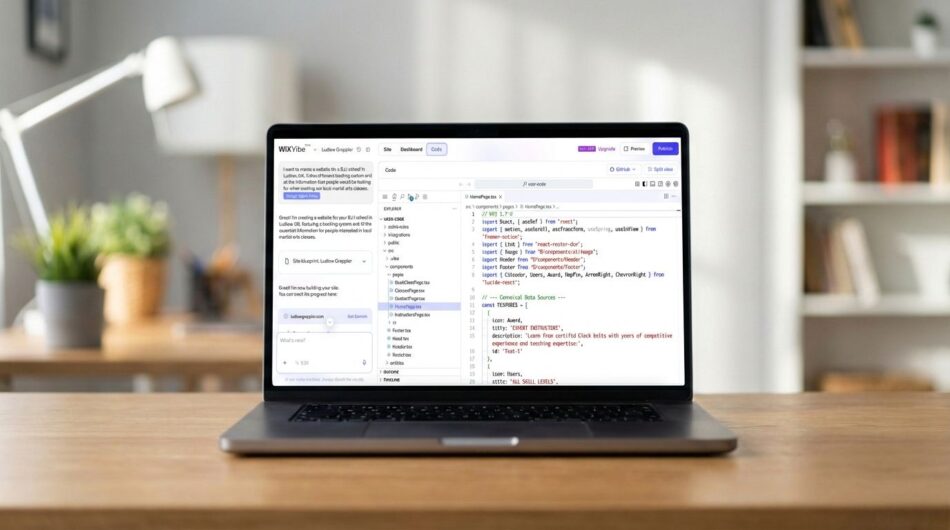
The Best Website Builders We’ve Tested for 2026
In the digital age, having a strong online presence is crucial for businesses of all sizes. Whether you are a small startup or a well-established enterprise, a well-designed website can help you reach your target audience, showcase your products or services, and ultimately drive sales. However, creating a website can be a daunting task, especially for those without technical skills. Fortunately, website builders have made it easier than ever to create a professional-looking site without needing to know how to code. In this article, we will explore the best website builders we’ve tested for 2026, highlighting their features, pros and cons, and who they are best suited for.
What to Look for in a Website Builder
Before diving into our top picks, it’s important to understand what features and capabilities to look for in a website builder. Here are some key factors to consider:
- User-Friendliness: The interface should be intuitive and easy to navigate, even for beginners.
- Customization Options: Look for builders that offer a range of templates and customization features to help you create a unique site.
- Mobile Responsiveness: Ensure that the website builder allows you to create a mobile-friendly version of your site.
- SEO Features: Good website builders should provide tools for optimizing your site for search engines.
- Support and Resources: Access to customer support and learning resources can be invaluable, especially for new users.
- Pricing: Consider the cost of the builder and any additional features or services that may incur extra charges.
Top Website Builders for 2026
1. Wix
Wix remains a leading choice among website builders for 2026, thanks to its user-friendly drag-and-drop interface and extensive customization options. With hundreds of templates and a robust app market, Wix allows users to create a highly personalized website.
Features
- Drag-and-drop editor
- Extensive template library
- Wix App Market for additional functionality
- SEO tools and analytics
- eCommerce capabilities
Pros
- Highly customizable
- No coding skills required
- Variety of templates for different industries
Cons
- Some features may require a premium plan
- Limited flexibility once a template is chosen
Best For
Wix is ideal for small to medium-sized businesses, freelancers, and creative professionals looking for an easy-to-use platform with plenty of design options.
2. Squarespace
Squarespace is known for its stunning design templates and is a favorite among creatives and businesses looking for a visually appealing website. The platform offers a range of features that cater to eCommerce, blogging, and portfolio websites.
Features
- Beautiful, responsive templates
- Built-in eCommerce tools
- SEO and analytics features
- 24/7 customer support
Pros
- High-quality design templates
- Great for visual content
- All-in-one platform with hosting included
Cons
- Less flexibility in customization compared to others
- More expensive than some competitors
Best For
Squarespace is perfect for artists, photographers, and businesses that prioritize aesthetics and want a polished online presence.
3. Shopify
Shopify is the go-to website builder for eCommerce businesses. With its powerful tools and features, Shopify makes it easy to set up an online store and manage inventory, payments, and shipping.
Features
- Comprehensive eCommerce tools
- Multiple payment gateways
- Mobile-responsive themes
- SEO features and marketing tools
Pros
- Robust eCommerce capabilities
- Scalable for businesses of all sizes
- Excellent customer support
Cons
- Monthly fees can add up with add-ons
- Transaction fees unless using Shopify Payments
Best For
Shopify is best suited for businesses focused on eCommerce, from small startups to large enterprises looking to sell products online.
4. Weebly
Weebly is another user-friendly website builder that offers a simple drag-and-drop interface. It is particularly popular among small businesses and individuals looking to create a straightforward website quickly.
Features
- Drag-and-drop website builder
- eCommerce functionality
- SEO tools
- Integrated marketing tools
Pros
- Easy to use for beginners
- Affordable pricing plans
- Includes hosting
Cons
- Limited design flexibility
- Fewer advanced features compared to competitors
Best For
Weebly is ideal for small businesses, personal websites, and anyone looking for a straightforward solution without the need for advanced features.
5. WordPress.com
WordPress.com is a hosted version of the popular WordPress platform. It offers a range of features for building blogs, portfolios, and business websites. While it has a steeper learning curve than some other builders, it provides extensive customization options.
Features
- Wide range of themes and plugins
- SEO tools and analytics
- Custom domain options
- Community support and resources
Pros
- Highly customizable
- Large community and support resources
- Great for blogging and content-heavy sites
Cons
- Can be complex for beginners
- Some features require a premium plan
Best For
WordPress.com is best for bloggers, content creators, and businesses that need a flexible platform with extensive customization options.
Comparative Analysis
When choosing a website builder, it’s essential to consider your specific needs and goals. Below is a comparative analysis of the top website builders we’ve discussed:
| Website Builder | User-Friendliness | Customization | eCommerce Features | Pricing |
|---|---|---|---|---|
| Wix | Very Easy | High | Yes | Starts at $14/month |
| Squarespace | Easy | Medium | Yes | Starts at $16/month |
| Shopify | Easy | Medium | Yes | Starts at $29/month |
| Weebly | Very Easy | Low | Yes | Starts at $6/month |
| WordPress.com | Moderate | Very High | Limited | Free with upgrades available |
Frequently Asked Questions
Wix and Weebly are often recommended for beginners due to their user-friendly interfaces and drag-and-drop features, making it easy to create a website without any coding knowledge.
Yes, platforms like Shopify, Wix, and Squarespace offer robust eCommerce features that allow you to create and manage an online store effectively.
Most of the website builders mentioned, including Wix, Squarespace, and WordPress.com, offer built-in SEO tools to help optimize your site for search engines, although the extent of these features may vary.
Call To Action
Ready to build your website? Choose the best website builder that suits your needs and start creating your online presence today!
Note: This article provides an overview of the best website builders for 2026, helping you make an informed decision based on your business needs.