Shopify CEO Tobi Lütke used AI to build his own MRI viewer
- Leverage AI to create custom software solutions when existing tools are inadequate.
- Adopt a reflexive mindset to integrate AI into daily workflows for enhanced productivity.
- Understand the strategic advantage of AI experimentation for long-term innovation growth.
- Recognize the role of AI in transforming niche technical challenges into scalable solutions.
Shopify CEO Tobi Lütke recently demonstrated the power of artificial intelligence by building a personalized MRI viewer using AI tools. Faced with proprietary software limitations, Lütke leveraged AI to create a web-based solution that not only opened his MRI files but also annotated them automatically. This innovative approach highlights how AI can empower individuals and businesses to develop bespoke software that meets unique needs.
By training himself to instinctively use AI for problem-solving, Lütke exemplifies a new wave of tech leadership focused on AI-driven innovation. His experience offers valuable insights on how companies can harness machine learning and AI models to improve workflows, reduce dependency on costly commercial software, and unlock new growth opportunities.
Continue Reading
How Did Tobi Lütke Use AI to Build His Own MRI Viewer?
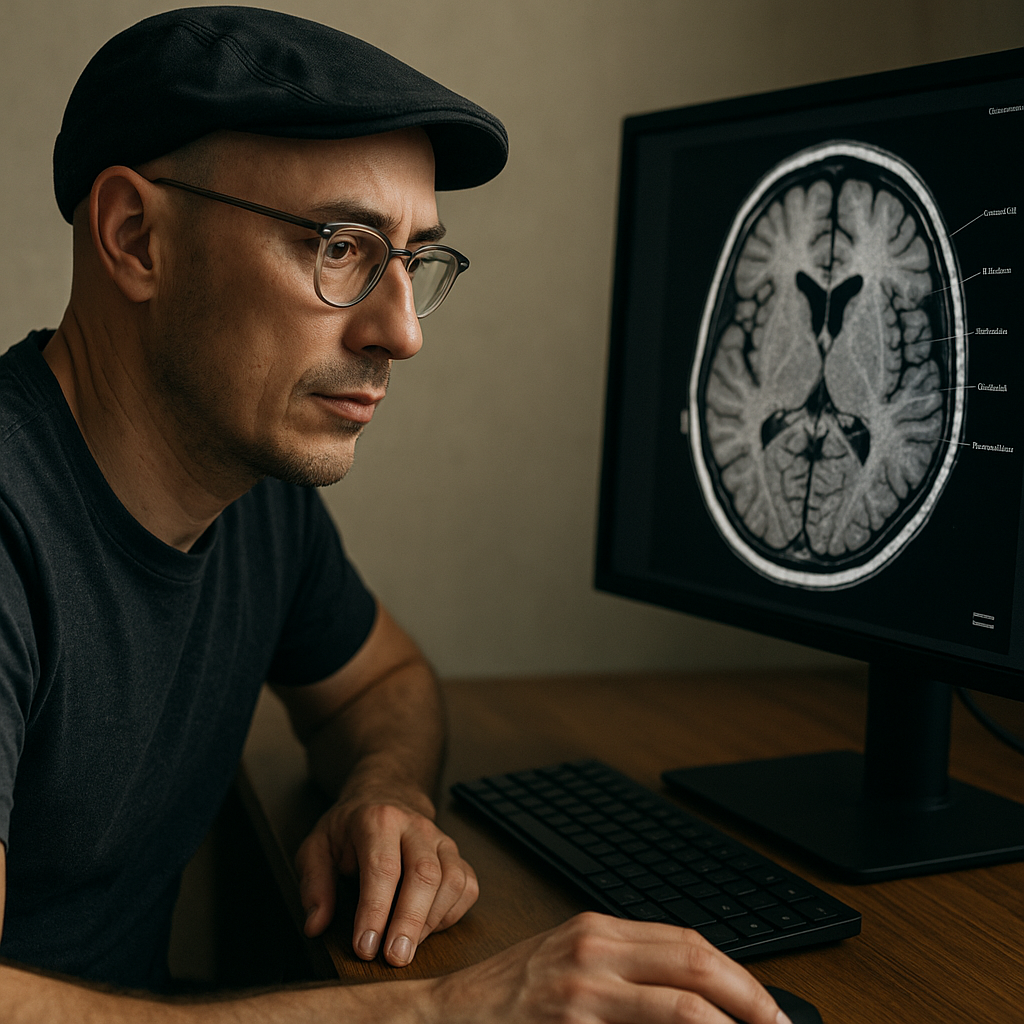
The core answer is that Lütke used a state-of-the-art AI language model, Anthropic’s Claude, to interpret and display the data from his MRI scan. Typically, MRI scans come on USB sticks and require specialized commercial Windows software to view and analyze. Instead of relying on this proprietary software, which can be restrictive and expensive, Lütke prompted Claude to create a web-based viewer tailored specifically to his MRI files.
This AI-powered viewer not only rendered the images but, with an additional prompt, automatically annotated the scans with medical findings. The result was a more intuitive, accessible, and visually enhanced experience compared to traditional software.
Why Is This Example Important for Business Leaders?
Lütke’s approach illustrates a powerful mindset shift: using AI automation reflexively to solve problems rather than defaulting to existing software solutions. For business leaders, this means:
- Custom AI tools can be developed rapidly to address specific challenges, improving operational efficiency.
- Experimentation with AI applications fosters innovation and can reveal new business opportunities.
- Training teams to think creatively about AI integration builds long-term organizational agility.
What Does “Reflexively Reaching for AI” Mean?
Lütke described this as training your brain to instinctively use AI whenever off-the-shelf software falls short. This reflexive use of AI involves:
- Identifying repetitive or complex tasks that AI can automate or enhance.
- Prompting AI models to build tailored solutions quickly without extensive coding.
- Iterating rapidly on AI-generated outputs to refine tools and processes.
According to Bernard Golden, CEO of Navica, this approach requires initial effort and discomfort but leads to accelerated skill development and confidence in AI use, creating a snowball effect of innovation.
Technical Insights: How AI Models Interpret MRI Data
Medical imaging files like MRIs are complex and typically require specialized software to decode the data formats and display images accurately. AI models like Claude can be prompted to:
- Parse raw MRI data files and convert them into visual formats suitable for web browsers.
- Analyze image features to detect anomalies or findings based on learned medical knowledge.
- Generate annotations and summaries that explain the scan results in human-readable terms.
By leveraging machine learning algorithms and natural language processing, AI can bridge the gap between raw data and actionable insights, making medical information more accessible and understandable.
Business Strategy and ROI of AI-Driven Custom Tools
Investing time in building AI-powered bespoke tools can yield significant returns:
- Cost reduction by avoiding expensive commercial licenses and vendor lock-in.
- Increased productivity through automation of manual or complex tasks.
- Competitive advantage by creating unique solutions tailored to specific business needs.
- Scalability as AI tools can be adapted and expanded with minimal incremental cost.
However, initial experimentation requires dedicated resources and a willingness to challenge traditional workflows.
Risks and Challenges in Adopting AI for Niche Applications
While AI offers exciting possibilities, there are risks to consider:
- Data privacy and security concerns, especially with sensitive medical information.
- Accuracy and reliability of AI-generated outputs must be validated to avoid errors.
- Potential regulatory compliance issues in healthcare-related applications.
- Need for ongoing maintenance and updates as AI models evolve.
Businesses must implement robust governance and quality assurance processes when deploying AI solutions.
Scaling AI Solutions Beyond Personal Use
Lütke’s MRI viewer started as a personal project but demonstrates how AI-driven tools can scale within organizations:
- Developing user-friendly interfaces to democratize access to complex data.
- Integrating AI viewers with existing healthcare or business systems.
- Training staff to leverage AI tools effectively for decision-making.
- Expanding AI capabilities to cover broader datasets and use cases.
This approach can transform niche technical challenges into scalable business assets.
How Can Businesses Start Building Reflexive AI Skills?
To cultivate the reflexive AI mindset demonstrated by Lütke, businesses should:
- Encourage experimentation with AI tools across departments.
- Provide training on prompt engineering and AI capabilities.
- Promote a culture that rewards innovation and learning from failures.
- Invest in AI infrastructure and access to advanced models.
Over time, this builds organizational confidence and fluency in AI-driven problem-solving.
Conclusion: The Future of AI in Business Innovation
Tobi Lütke’s example is a compelling case study of how AI technology can be harnessed by leaders to overcome specific challenges creatively. By reflexively integrating AI into workflows, businesses can unlock new efficiencies, reduce costs, and gain strategic advantages. As AI models continue to advance, the ability to build custom, scalable solutions will become an essential skill for competitive enterprises.
Frequently Asked Questions
Call To Action
Discover how integrating AI solutions can revolutionize your business processes. Contact us today to explore custom AI strategies tailored to your unique needs.
Note: Provide a strategic conclusion reinforcing long-term business impact and keyword relevance.