Pentagon Chief Blocks Officers from Ivy League Schools and Other Top Universities
- Defense Secretary Pete Hegseth’s directive aims to reshape military education by excluding certain prestigious institutions.
- The decision reflects a strategic shift towards institutions that align more closely with American values and military objectives.
- Potential new partner schools are being considered to enhance military education and training.
- The impact on existing partnerships with universities involved in AI and space initiatives remains uncertain.
The recent decision by Defense Secretary Pete Hegseth to block military officers from attending Ivy League schools and other prestigious universities marks a significant shift in the Pentagon’s approach to professional military education. This move is not merely a reaction to perceived ideological biases within these institutions but also a strategic realignment aimed at enhancing the warfighting capabilities of military leaders.
By prioritizing educational institutions that reflect American ideals and strategic interests, the Pentagon seeks to cultivate leaders who are better equipped to navigate the complexities of modern warfare. This article explores the implications of this decision, the rationale behind it, and the potential impact on military education and partnerships with universities engaged in critical areas such as artificial intelligence and space.
Continue Reading
Overview of the Decision
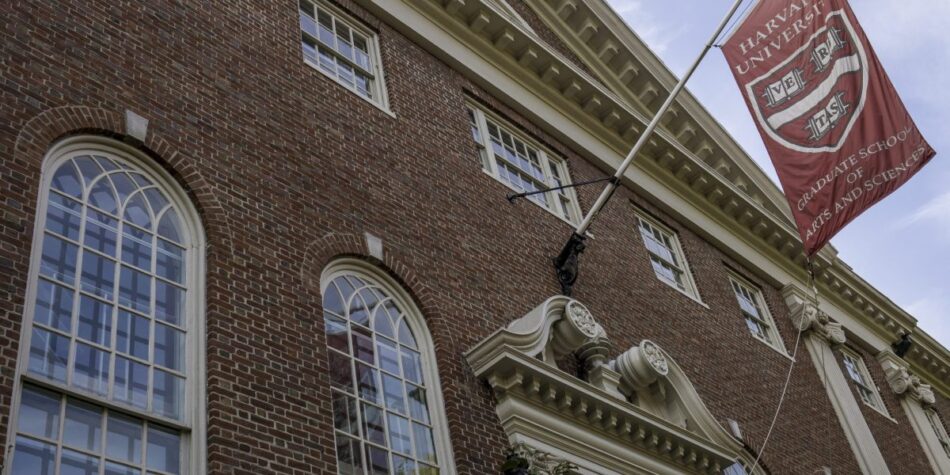
In a memo released on February 28, 2026, Secretary Hegseth announced the elimination of certain Senior Service College fellowship programs for the 2026-2027 academic year and beyond. His directive specifically targets renowned institutions, including Ivy League schools such as Harvard, Yale, Columbia, Brown, and Princeton, along with other top universities like MIT, Carnegie Mellon, and Johns Hopkins University’s School of Advanced International Studies.
Hegseth’s rationale is grounded in the belief that military education should be aligned with the founding principles of the United States, emphasizing the importance of developing strategic thinkers who can effectively engage in modern warfare. He stated, “We will no longer invest in institutions that fail to sharpen our leaders’ warfighting capabilities or that undermine the very values they are sworn to defend.”
Strategic Implications of the Decision
This decision has far-reaching implications for the future of military education. By excluding certain schools from the list of approved institutions, the Pentagon is signaling a shift towards a more pragmatic approach to military training. The focus will be on educational programs that enhance operational effectiveness and align with national security objectives.
Moreover, the exclusion of these prestigious institutions raises questions about the future of military partnerships with universities that have historically contributed to defense research and innovation. For instance, Carnegie Mellon University has been a key player in artificial intelligence research, hosting the Army’s Artificial Intelligence Integration Center. This center aims to enhance the Army’s understanding of AI applications and foster collaboration with private sector leaders in technology.
Potential New Partner Schools
In his memo, Hegseth outlined a list of potential new partner schools that could replace the excluded institutions. These include Liberty University, George Mason University, Pepperdine, the University of Tennessee, the University of Michigan, the University of Nebraska, the University of North Carolina, Clemson, and Baylor University. This shift reflects a strategic pivot towards institutions that are perceived to uphold American values and contribute positively to military education.
These new partner schools are expected to provide programs that focus on leadership development, strategic thinking, and military readiness. By aligning with institutions that share the Pentagon’s vision, the military aims to cultivate a new generation of leaders who are well-prepared to face the challenges of modern warfare.
Impact on Existing Partnerships
The decision to block military officers from attending certain universities raises concerns about the future of existing partnerships, particularly those focused on critical areas such as space and artificial intelligence. For example, the Space Force has collaborated with Johns Hopkins University for officer education, and the implications of severing ties with these institutions are significant.
Representatives from the Army’s AI center and the Space Force have not yet commented on how Hegseth’s directive will affect their partnerships. However, the potential loss of collaboration with leading research institutions could hinder advancements in technology and innovation critical to national defense.
Historical Context
The relationship between the military and educational institutions has evolved over the years. Historically, the Pentagon has relied on partnerships with top universities to foster innovation and research in defense-related fields. These collaborations have yielded significant advancements in technology, strategy, and operational effectiveness.
However, recent criticisms of certain universities for their perceived ideological biases have prompted a reevaluation of these partnerships. Hegseth’s directive reflects a growing sentiment within the military that educational institutions should align more closely with the values and objectives of the armed forces.
Challenges and Risks
While the decision to block officers from attending certain universities may resonate with some stakeholders, it also presents several challenges and risks. One major concern is the potential loss of access to cutting-edge research and innovation that these institutions provide. The military’s ability to adapt to rapidly changing technological landscapes could be compromised if partnerships with leading universities are severed.
Additionally, the exclusion of certain schools may lead to a narrowing of perspectives within military education. Diverse viewpoints and interdisciplinary approaches are essential for developing well-rounded leaders capable of addressing complex global challenges. Limiting educational opportunities could hinder the military’s ability to foster critical thinking and innovative problem-solving skills.
Future of Military Education
The Pentagon’s decision marks a pivotal moment in the evolution of military education. As the military seeks to develop leaders who are equipped to navigate the complexities of modern warfare, the choice of educational partners will play a crucial role in shaping the future of military training.
Moving forward, the Pentagon will need to carefully evaluate the impact of this decision on its ability to attract top talent and foster innovation. Establishing partnerships with institutions that align with military values while still providing access to cutting-edge research will be essential for maintaining operational effectiveness.
Frequently Asked Questions
The Pentagon, under Secretary Hegseth, blocked officers from attending Ivy League schools to align military education with American values and enhance warfighting capabilities.
New partner schools include Liberty University, George Mason University, Pepperdine, and several others that align with the Pentagon’s strategic vision.
The decision may strain existing partnerships with universities involved in AI and space initiatives, potentially limiting access to critical research and innovation.
Call To Action
Explore how your organization can align with the Pentagon’s evolving educational strategies to enhance military readiness and innovation.
Note: The Pentagon’s recent decision to block certain educational institutions signifies a strategic shift aimed at reinforcing military values and enhancing operational effectiveness, shaping the future of military leadership development.