OpenAI’s Hardware Device Just Leaked, and You Will Cringe
The recent leak regarding OpenAI’s new hardware device has sent shockwaves through the tech community. As the company known for its groundbreaking AI technology pushes into the hardware space, the initial reactions are far from enthusiastic.
With a market already saturated with smart devices, the question arises: can OpenAI deliver something innovative, or will it fall into the same pitfalls as its predecessors?
Continue Reading
The Current Landscape of AI Hardware
The integration of artificial intelligence into consumer hardware has been a challenging endeavor. Companies like Amazon and Google have made strides with devices like Alexa and Google Home, yet many of these products have faced criticism for their functionality and privacy concerns. OpenAI’s venture into this space comes at a time when consumer skepticism is at an all-time high.
Challenges in the AI Hardware Market
Several factors contribute to the difficulties faced by companies attempting to launch AI hardware:
- Consumer Expectations: Users expect seamless integration and functionality, which many devices fail to deliver.
- Privacy Concerns: With increasing awareness of data privacy, consumers are wary of devices that collect personal information.
- Market Saturation: The market is flooded with similar products, making it hard for new entrants to stand out.
- Technical Hurdles: Developing reliable AI technology that can operate effectively in a hardware environment is a complex task.
OpenAI’s New Smart Speaker
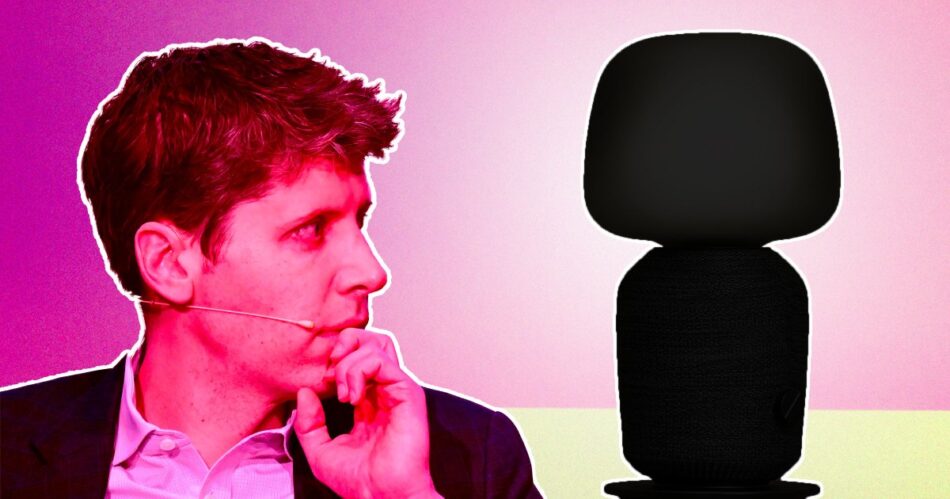
According to reports, OpenAI is working on a smart speaker equipped with a built-in camera capable of recognizing faces and objects. This device is intended to retail between $200 and $300 and is expected to ship no earlier than early next year. However, the initial reception has been less than favorable.
Features and Specifications
The smart speaker is designed to be a multifunctional device, but many industry experts are questioning its necessity:
- Face Recognition: The ability to recognize faces could enhance user interaction, but it raises significant privacy issues.
- Object Identification: This feature aims to provide contextual information about items in the user’s environment.
- Integration with Existing Technology: The device is expected to perform tasks that smartphones already handle, leading to questions about its unique value proposition.
Market Reception and Consumer Sentiment
Initial reactions to OpenAI’s hardware ambitions have been mixed. Critics argue that the smart speaker does not offer any groundbreaking features compared to existing devices. This sentiment is compounded by the skepticism surrounding AI technologies and their implications for user privacy.
Consumer Concerns
As OpenAI prepares to enter the hardware market, it must navigate several consumer concerns:
- Privacy Issues: With devices designed to collect and analyze personal data, consumers are increasingly cautious about what data is being gathered and how it is used.
- Trust in AI: Many users are still grappling with the implications of AI technology, leading to hesitance in adopting new devices.
- Value Proposition: Consumers are questioning whether they need another smart device that performs similar functions to existing technology.
OpenAI’s Broader Hardware Strategy
Beyond the smart speaker, OpenAI is reportedly exploring other hardware projects, including a “smart lamp.” However, details about this product remain sparse, and it is unclear whether it will ever reach the market.
Potential Revenue Streams
As OpenAI faces mounting financial pressures, diversifying its revenue streams through hardware sales could be critical. The company has been hemorrhaging funds, prompting it to explore advertising as a potential revenue source, despite previous reservations about this approach.
Technical Challenges and Delays
OpenAI’s partnership with former Apple design lead Jony Ive has not been without its challenges. Reports indicate that technical issues have delayed the release of their first product, pushing it from last year to the current timeline.
Lessons from Past Failures
The tech industry is littered with examples of AI hardware that has failed to gain traction. Some notable failures include:
- Amazon’s Alexa: Launched with significant hype, Alexa has struggled to maintain consumer interest due to technical shortcomings.
- Google’s AI Pins: These devices were met with widespread criticism for their lack of functionality and user engagement.
- Other Smart Devices: Many smart devices have been criticized for being gimmicky and lacking in real-world applications.
Marketing and Public Perception
Marketing a device that collects and analyzes personal data is fraught with challenges. OpenAI must carefully craft its messaging to address consumer fears about surveillance and privacy.
Case Studies in Marketing Failures
Recent marketing missteps by other companies highlight the potential pitfalls OpenAI could face:
- Amazon’s Ring Cameras: A controversial Super Bowl ad showcasing neighborhood surveillance was met with backlash, leading to a decline in consumer trust.
- Privacy Backlash Against Tech Giants: Companies like Facebook and Google have faced scrutiny over their data practices, impacting consumer sentiment across the board.
Frequently Asked Questions
The smart speaker includes a built-in camera for face recognition and object identification, aiming to enhance user interaction and contextual awareness.
The smart speaker is expected to retail between $200 and $300.
Privacy concerns revolve around the device’s ability to collect and analyze personal data, raising questions about user consent and data security.
Call To Action
As OpenAI ventures into the hardware market, it is crucial for consumers to stay informed about the implications of AI technology on privacy and functionality. Engage with the latest developments and voice your opinions on the future of AI hardware.
Note: The future of OpenAI’s hardware endeavors remains uncertain, and the company must address consumer concerns to succeed in a competitive market.