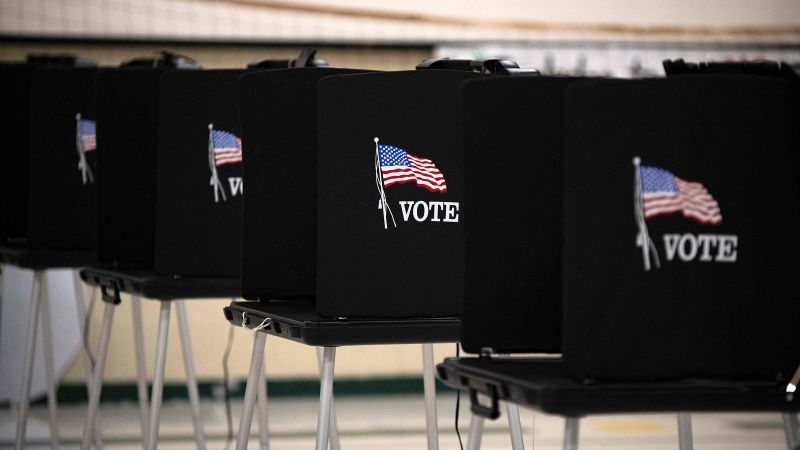
How Palantir and AI Money is Shaping the Midterms
The influence of technology companies on politics has never been more pronounced, particularly in the context of the upcoming midterm elections. Among these companies, Palantir Technologies, known for its data analytics and artificial intelligence (AI) capabilities, is at the forefront of political donations and lobbying efforts. This article explores how Palantir and its allies are shaping the political landscape as the midterms approach, focusing on their financial contributions, strategic positioning, and the implications for both candidates and voters.
Palantir’s Role in Political Donations
Palantir Technologies has been a significant player in the tech industry, particularly due to its close ties with defense and intelligence agencies. The company has developed a reputation for its work with the U.S. government, especially in areas related to national security and immigration enforcement. As the midterm elections draw near, Palantir and its allies are ramping up their political donations to support candidates who align with their interests.
One notable example is the super PAC known as Leading The Future, which was launched by a coalition of tech giants, including Palantir co-founder Joe Lonsdale. This political committee aims to counteract the growing bipartisan backlash against AI technologies. With over $100 million pledged to support pro-AI candidates, Leading The Future is positioning itself as a formidable force in the political arena.
The Stakes of AI in Politics
The stakes are particularly high in this election cycle, as Congress is poised to establish regulations that will shape the future of the AI industry for years to come. Voter concerns about the implications of AI—ranging from privacy issues to job displacement—are increasingly influencing political discourse. As such, the tech industry’s involvement in politics is not merely about financial contributions; it is about shaping the narrative and ensuring that the voices of those in favor of AI development are heard.
Key Figures Behind the Donations
Several prominent figures associated with Palantir have been active in political donations. Peter Thiel, a billionaire venture capitalist and co-founder of Palantir, has been particularly influential. Thiel has established close ties with various political figures, including Vice President JD Vance and members of the Trump administration. His financial contributions have historically favored Republican candidates, signaling a strategic alignment with conservative policies that support tech innovation.
Palantir’s CEO, Alex Karp, has also made significant political contributions. His donation history reflects a complex relationship with both major political parties. In 2023, Karp contributed $360,000 to a joint fundraising committee for President Joe Biden and Vice President Kamala Harris. However, in a surprising turn, he donated $1 million to MAGA Inc., a political action committee supporting Donald Trump, in 2024. This duality in Karp’s political donations illustrates the broader strategy of tech leaders who seek to hedge their bets in an unpredictable political landscape.
Public Perception and Backlash
The involvement of tech companies like Palantir in politics has not been without controversy. Many voters express concern over the ethical implications of AI technologies, particularly regarding privacy and surveillance. The company’s close association with U.S. Immigration and Customs Enforcement (ICE) has drawn criticism from various political factions, particularly on the left. This backlash has prompted some Democratic candidates to return campaign contributions from Palantir-affiliated donors to distance themselves from the tech giant’s controversial practices.
Assemblymember Alex Bores, a congressional candidate in New York who previously worked for Palantir, has been vocal about the hypocrisy of tech companies that profit from surveillance while claiming to advocate for civil liberties. His campaign has focused on regulating AI technologies to ensure they serve the public good rather than infringe upon individual rights.
The Future of AI Regulation
As the midterm elections approach, the question of how to regulate AI technologies looms large. With the potential for significant legislative changes on the horizon, tech companies are mobilizing to influence the outcome in their favor. The recent surge in political activity from Palantir and its allies can be seen as a preemptive measure against potential regulatory challenges that could arise from a shift in political power.
Experts like Hamid Ekbia, a professor at Syracuse University, argue that the political donations from tech companies are part of a broader strategy to mitigate risks associated with a changing political landscape. By supporting candidates who are sympathetic to their interests, these companies aim to secure favorable outcomes in the legislative process.
The Impact of AI on Voter Concerns
Voter concerns regarding AI technologies are multifaceted. Issues such as job displacement due to automation, privacy violations, and the ethical use of data are at the forefront of public discourse. As candidates campaign for office, they must address these concerns while also navigating the financial support they receive from tech companies like Palantir.
Polling data indicates that voters are increasingly aware of the implications of AI in their daily lives. As such, candidates who fail to address these issues may find themselves at a disadvantage. The political landscape is evolving, and the ability to engage with voters on these critical topics will be essential for candidates seeking to secure their positions in Congress.
Conclusion
The intersection of technology and politics is becoming increasingly complex, with companies like Palantir playing a pivotal role in shaping the narrative around AI and its implications for society. As the midterm elections approach, the financial contributions from tech giants and the strategic positioning of their allies will undoubtedly influence the political landscape. Candidates must navigate these waters carefully, balancing the interests of their supporters with the concerns of their constituents. The outcome of this election could have lasting implications for the future of AI regulation and the role of technology in our lives.
Note: The influence of Palantir and AI on the midterms highlights the intricate relationship between technology and politics, raising important questions about the future of governance in an increasingly digital world.
Frequently Asked Questions
Palantir is influencing the midterm elections primarily through significant political donations and the establishment of super PACs like Leading The Future, which supports candidates favorable to AI development.
Voter concerns about AI include issues related to job displacement, privacy violations, and the ethical use of data, all of which are becoming increasingly relevant in political discussions.
Peter Thiel and Alex Karp are significant contributors to political campaigns, with Thiel aligning mostly with Republican candidates and Karp displaying a more complex donation history that includes contributions to both major political parties.
Call To Action
Stay informed about the impact of technology on politics and the upcoming midterm elections. Engage with your local representatives and advocate for responsible AI regulation.