Figma’s Stock Drops 11% in Two Days After Google Releases ‘Vibe Design’ Product
- Google’s new AI-powered design tool, Stitch, challenges established design platforms like Figma.
- Figma’s stock decline reflects investor concerns about AI competition in the cloud software sector.
- Strategic partnerships and AI integration remain critical for design software companies to maintain market share.
- Market volatility in AI-driven software highlights the evolving landscape of product design workflows.
Figma, a leading cloud-based design platform, experienced a significant stock drop of approximately 11% over two days following Google’s announcement of its new AI-driven design product, Stitch. This event underscores the intensifying competition in the AI design software market, where innovation and integration of artificial intelligence are rapidly reshaping workflows for designers and enterprises alike.
The launch of Google’s Stitch product, which leverages generative AI to assist users in creating and critiquing designs through natural language prompts and voice commands, has raised investor concerns about Figma’s future growth and market positioning. This development comes amid a broader decline in cloud software stocks, further emphasizing the challenges and opportunities presented by emerging generative AI tools in the creative technology sector.
Continue Reading
What Led to Figma’s Stock Decline After Google’s Product Launch?
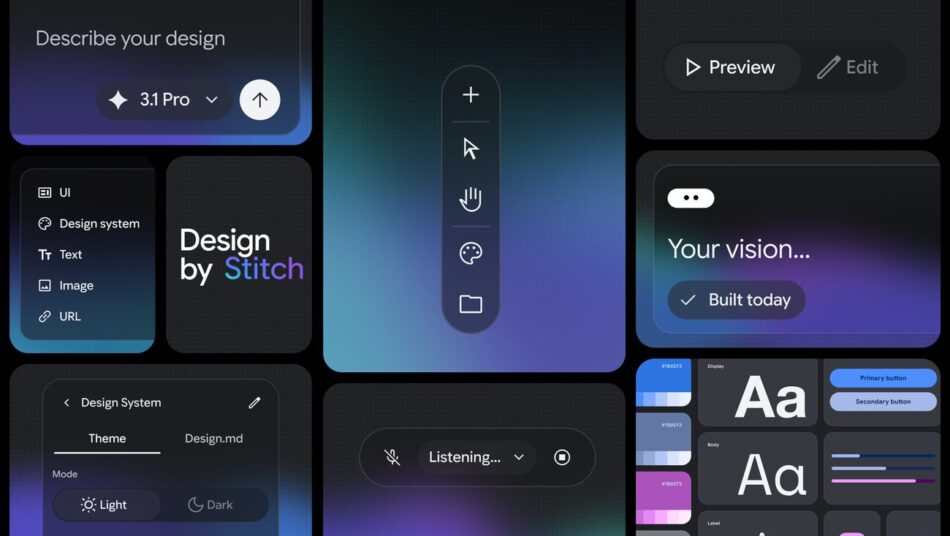
The immediate cause of Figma’s stock decline was the introduction of Google’s Stitch, an AI-powered design assistant currently in beta. Stitch allows users to input prompts to generate design concepts and receive real-time critiques, incorporating voice interaction capabilities. This innovation positions Google as a direct competitor in the AI-powered design space, traditionally dominated by platforms like Figma.
Investors reacted swiftly, with Figma shares dropping 8% on the first day after the announcement and an additional 4% decline the following day. This reflects broader market apprehension about the impact of artificial intelligence competition on established cloud software companies. Figma’s stock has fallen approximately 35% year-to-date, influenced by both sector-wide pressures and specific concerns about AI-driven disruption.
How Does Google’s Stitch Product Work and Why Is It a Threat?
Google’s Stitch is designed as a “design agent” that uses advanced generative AI models to support users in creating and refining visual designs. By allowing natural language prompts and voice commands, Stitch simplifies the design process, enabling non-experts and professionals alike to generate creative assets quickly. The product is currently offered for free in beta, with no clear timeline for commercialization.
The threat to Figma lies in Google’s extensive ecosystem and resources. If Stitch evolves into a paid, fully integrated service, it could capture significant market share by embedding itself into Google’s broader enterprise tools and cloud services. This bundling capability, combined with Google’s massive distribution channels, poses a strategic challenge to Figma’s standalone platform.
What Is Figma’s Current Position in the Market?
Figma went public in July 2025, positioning itself as a leader in collaborative, cloud-based design software. The company has emphasized its commitment to integrating AI through partnerships, notably with Google Cloud and AI research firms like Anthropic. For example, Figma’s Make tool leverages generative AI to help users create or modify app designs based on simple text inputs.
Despite these innovations, Figma faces intense competition from both established players like Adobe and emerging AI-first platforms. Adobe’s attempt to acquire Figma for $20 billion in 2023 was thwarted by regulatory challenges, highlighting the high stakes in the design software market. Adobe’s stock has remained relatively stable compared to Figma’s recent volatility.
How Are Investors Reacting to AI Competition in Cloud Software?
The broader software industry has seen a notable sell-off in 2026, with AI-related uncertainties driving much of the volatility. Investors are cautious about which companies will successfully monetize AI advancements and which may lose ground to tech giants like Google. Figma’s stock performance exemplifies this trend, as market participants weigh the risks of new entrants disrupting established business models.
Market analysts suggest that companies that can effectively integrate AI into their platforms while maintaining user trust and delivering scalable solutions will attract investment. Conversely, firms that appear vulnerable to competition from larger ecosystems may face continued pressure on their valuations.
What Are the Strategic Implications for Figma and Google?
For Figma, the key to sustaining growth lies in deepening its AI capabilities and expanding partnerships to enhance its platform’s value proposition. Continued collaboration with Google Cloud and AI providers like Anthropic can help Figma innovate rapidly and retain its user base.
Google, meanwhile, is leveraging its AI expertise and cloud infrastructure to enter the design software market aggressively. By offering Stitch for free in beta, Google can gather user feedback and refine the product before potentially integrating it into its broader suite of enterprise tools. This strategy could increase customer stickiness and expand Google’s footprint in creative workflows.
What Are the Risks and Opportunities in AI-Driven Design Platforms?
Scalability: Platforms must handle large user bases and diverse design needs while maintaining performance and reliability.
Cost Management: Developing and running AI models requires significant investment; balancing cost and pricing is critical for profitability.
User Adoption: Ease of use and integration with existing workflows determine how quickly new AI tools gain traction.
Competitive Differentiation: Unique AI features and ecosystem partnerships can create defensible market positions.
Regulatory and Ethical Risks: AI-generated content raises questions about intellectual property, bias, and transparency that platforms must address.
How Can Businesses Leverage AI Design Tools Effectively?
Organizations looking to adopt AI design platforms should focus on tools that enhance creativity without compromising control. Evaluating platforms based on AI capabilities, collaboration features, and integration with existing systems is essential. Early adoption of AI design assistants can accelerate product development cycles and reduce costs, but companies must remain vigilant about data privacy and compliance.
Future Outlook for AI in Product Design
The integration of generative AI into product design is expected to deepen, with more sophisticated tools enabling end-to-end design workflows. Companies like Google and Figma will continue to innovate, driving competition that benefits users through improved functionality and lower barriers to entry. However, market dynamics will favor those who can balance technological advancement with user-centric design and business sustainability.
Summary of Key Takeaways
Google’s Stitch product introduces a new competitive dynamic in AI design software, directly impacting Figma’s market performance.
Figma’s strategic partnerships and AI integrations are crucial for maintaining relevance amid growing competition.
Investor sentiment reflects broader concerns about AI disruption in cloud software, influencing stock valuations.
Successful AI design platforms will combine scalability, cost efficiency, user adoption, and ethical considerations to thrive.
Frequently Asked Questions
Call To Action
Explore how integrating advanced AI design tools can transform your product development and maintain your competitive edge in an evolving digital landscape.
Note: Provide a strategic conclusion reinforcing long-term business impact and keyword relevance.