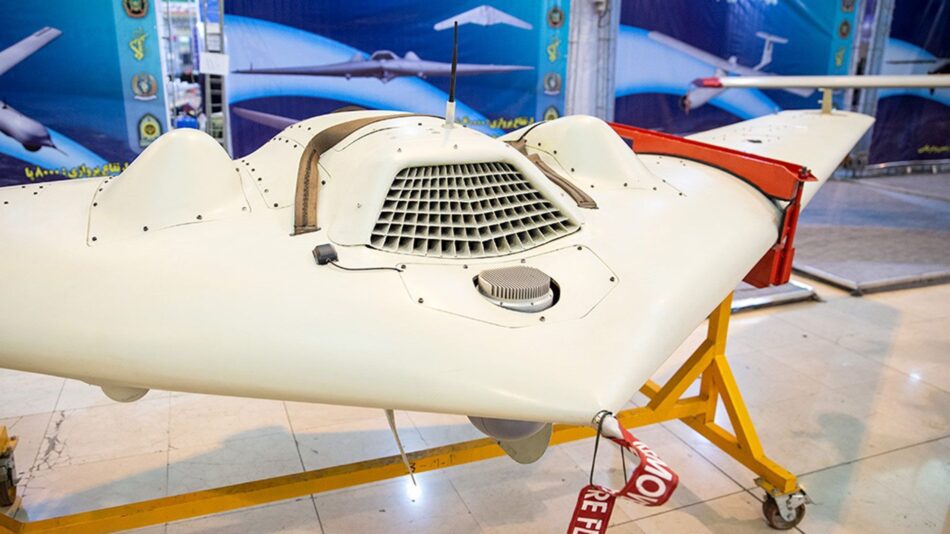
Concerns raised over Shahed kamikaze drone listings on Alibaba — they featured AI guidance to lock onto ‘people, building, vehicles, ships, etc’
- Alibaba removed suspicious listings promoting kamikaze drones with AI targeting capabilities.
- AI guidance technology enables drones to autonomously lock onto diverse targets including people and vehicles.
- Raising ethical and security concerns about the commercialization of autonomous weapon systems.
- Global implications for AI regulation and the control of advanced drone technologies.
Recently, Alibaba faced scrutiny after listings for Shahed kamikaze drones were discovered featuring advanced AI guidance systems capable of locking onto multiple target types such as people, buildings, vehicles, and ships. This revelation has triggered alarm among security experts and policymakers about the proliferation of autonomous weaponry through commercial platforms.
The integration of artificial intelligence in drone technology, especially for lethal applications, raises complex challenges in terms of ethics, regulation, and global security. Alibaba’s swift removal of these listings underscores the tension between technological innovation and responsible oversight in the rapidly evolving landscape of autonomous drones.
Continue Reading
What Are Shahed Kamikaze Drones and Why Are They Controversial?
Shahed kamikaze drones are a class of unmanned aerial vehicles (UAVs) designed to carry out suicide attacks by crashing into targets, detonating explosives on impact. These drones have gained notoriety for their use in various conflict zones, notably in the Middle East. The controversy intensifies when these drones are equipped with AI-powered targeting systems that allow them to identify and lock onto specific targets autonomously, without human intervention.
The listings on Alibaba reportedly advertised drones with AI guidance capable of recognizing and homing in on people, buildings, vehicles, ships, and other objects. This capability transforms the drone from a remotely piloted device into a semi-autonomous weapon system, raising significant ethical and legal concerns.
How Does AI Guidance Work in Kamikaze Drones?
AI guidance in drones typically relies on advanced computer vision and machine learning algorithms. These systems process real-time sensor data such as video feeds to detect, classify, and track targets. The AI can differentiate between various objects by analyzing shape, size, movement patterns, and thermal signatures.
Once a target is identified, the drone’s navigation system adjusts its flight path to lock onto the target, even compensating for evasive maneuvers. This autonomous targeting reduces the need for continuous human control, increasing the speed and precision of attacks but also raising the risk of unintended casualties.
Why Did Alibaba Remove the Shahed Drone Listings?
Alibaba removed the listings and suspended seller accounts after investigative reports highlighted the presence of these weaponized drones on its platform. The company stated that the listings violated its policies prohibiting the sale of weapons and military-grade equipment.
This action reflects the growing pressure on e-commerce platforms to monitor and regulate the sale of sensitive technologies, especially those that incorporate autonomous weapon systems. Alibaba’s move also aligns with international efforts to curb the proliferation of lethal autonomous weapons.
What Are the Ethical and Security Implications?
The use of AI in kamikaze drones introduces a host of ethical dilemmas. Autonomous targeting raises questions about accountability when drones cause unintended harm or violate international humanitarian law. There is also concern about the ease of access to such technology through commercial channels, potentially enabling non-state actors or rogue entities to acquire deadly autonomous weapons.
Security experts warn that the widespread availability of AI-guided drones could destabilize global security, making conflicts more deadly and harder to control. The risk of misuse or accidental escalation increases without clear international regulation and oversight.
How Does This Incident Affect Global AI and Drone Regulation?
The Alibaba case highlights the urgent need for comprehensive frameworks governing the development, sale, and deployment of AI-enabled drones. Currently, international law struggles to keep pace with rapid technological advances, and many countries lack specific regulations addressing autonomous weapons.
Experts advocate for multilateral agreements to restrict the commercialization of AI-powered lethal drones and to establish accountability standards. Transparency in AI algorithms and strict export controls are also critical to prevent misuse.
What Are the Business and Technological Implications?
From a business perspective, the incident underscores the challenges faced by online marketplaces in policing complex technologies that straddle civilian and military applications. Platforms must invest in advanced AI detection tools and human oversight to identify prohibited products effectively.
Technologically, the integration of AI in drones is advancing rapidly, offering benefits in logistics, agriculture, and surveillance. However, the dual-use nature of these technologies requires companies and governments to balance innovation with ethical responsibility and security concerns.
How Can Companies and Governments Respond?
Implement stricter verification processes for sellers dealing in advanced drone technology.
Develop AI-powered monitoring systems to detect and flag listings promoting autonomous weaponry.
Collaborate internationally to create standards and treaties limiting the proliferation of AI-enabled lethal drones.
Educate stakeholders about the risks and ethical considerations of autonomous weapons.
Encourage transparency in AI development and promote responsible innovation.
What Is the Future Outlook for AI-Guided Kamikaze Drones?
The future of AI-guided kamikaze drones depends heavily on regulatory responses and technological controls. While AI will continue to improve drone autonomy and precision, international pressure may limit the availability of such systems in commercial markets.
Research into counter-drone technologies, such as electronic jamming and laser interception, is also advancing to mitigate threats posed by autonomous drones. Ultimately, the balance between innovation, security, and ethics will shape the trajectory of this technology.
Frequently Asked Questions
Call To Action
Ensure your business stays ahead in AI technology while adhering to ethical standards and security regulations by partnering with experts in AI compliance and autonomous systems.
Note: Provide a strategic conclusion reinforcing long-term business impact and keyword relevance.