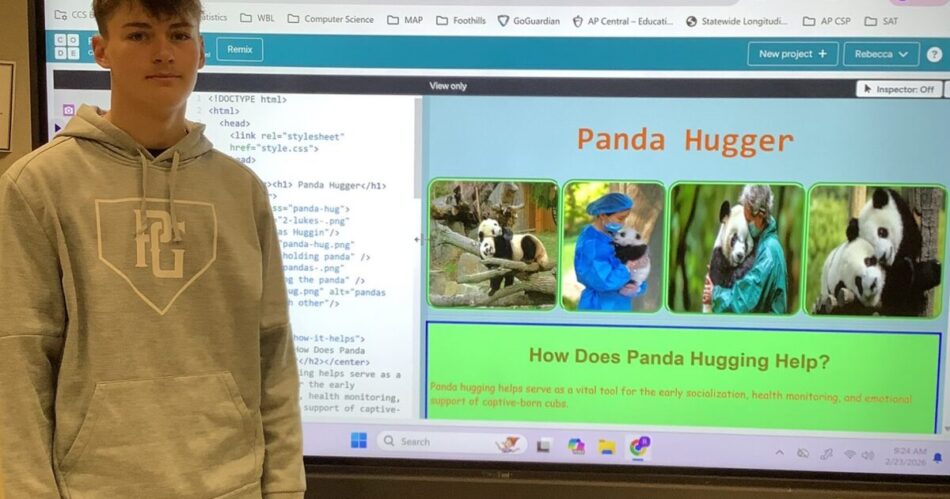
CHS Students Learn Coding and Web Design
- Implementing coding and web design in the curriculum enhances students’ technical skills.
- Hands-on projects foster creativity and problem-solving abilities among students.
- Collaboration with local tech companies provides real-world experience and networking opportunities.
- Integrating coding education prepares students for future job markets and technology-driven careers.
In today’s digital age, equipping students with coding and web design skills is crucial for their future success. At CHS, the integration of these subjects into the curriculum is not just about learning to code; it’s about preparing students for a technology-centric world.
By embracing coding and web design, CHS is fostering a new generation of innovators and problem solvers. This initiative not only enhances students’ technical skills but also encourages creativity and collaboration, essential traits in the modern workforce.
Continue Reading
The Importance of Coding Education
Coding has become a fundamental skill in many industries, from finance to healthcare. Understanding the basics of programming can open doors to numerous career opportunities. At CHS, students are not just learning how to write code; they are developing a mindset that embraces technology and innovation.
Incorporating coding into education enables students to:
- Enhance problem-solving skills by tackling complex challenges.
- Foster creativity through designing and building their own projects.
- Gain a competitive edge in the job market by acquiring in-demand skills.
Curriculum Overview
The coding and web design curriculum at CHS is designed to be comprehensive and engaging. It covers various programming languages, web development frameworks, and design principles. Here’s an overview of what students learn:
1. Introduction to Programming
Students start with the basics of programming using languages such as Python and JavaScript. This foundational knowledge is crucial as it sets the stage for more advanced topics.
2. Web Development Fundamentals
In this section, students learn HTML, CSS, and JavaScript, which are essential for creating interactive and visually appealing websites. They gain hands-on experience by building their own web pages.
3. User Experience (UX) Design
Understanding user experience is vital for any web designer. Students explore design principles that enhance usability and accessibility, ensuring their websites are user-friendly.
4. Project-Based Learning
Students engage in real-world projects that require them to apply their coding and design skills. This approach not only reinforces their learning but also allows them to showcase their work.
Hands-On Learning Experience
Hands-on projects are a cornerstone of the coding curriculum. By working on tangible tasks, students can see the immediate impact of their efforts, which enhances motivation and engagement. Examples of projects include:
- Creating a personal portfolio website to showcase their skills and projects.
- Developing a simple game using JavaScript, which combines coding with creativity.
- Collaborating on a group project to design a website for a local nonprofit organization.
Collaboration with Local Tech Companies
To provide students with real-world experience, CHS has partnered with local tech companies. This collaboration offers students invaluable insights into the industry and potential career paths. Benefits of this partnership include:
- Internship opportunities that allow students to gain practical experience.
- Workshops led by industry professionals who share their expertise.
- Networking events that connect students with potential employers.
Preparing for the Future
As technology continues to evolve, the demand for skilled professionals in coding and web design is expected to grow. By equipping students with these essential skills, CHS is preparing them for a successful future in a technology-driven world.
Moreover, learning to code fosters critical thinking and adaptability, which are essential traits in any career. Students are not just learning to write code; they are learning how to think like developers and innovators.
Challenges and Solutions
While implementing a coding curriculum is beneficial, it does come with challenges. Some of the common obstacles include:
- Limited resources and funding for technology and training.
- Varying levels of student proficiency and interest in coding.
- Keeping the curriculum up-to-date with rapidly changing technology.
To address these challenges, CHS is actively seeking partnerships with tech organizations for resources and funding. Additionally, differentiated instruction techniques are employed to cater to students’ varying skill levels, ensuring that all students can succeed.
Success Stories
Several students have already made significant strides thanks to the coding and web design program. For instance:
- One student developed a mobile app that helps classmates manage their study schedules.
- Another student created a website for a local business, gaining practical experience and enhancing their portfolio.
- A group of students participated in a coding competition, where they won first place for their innovative project.
These success stories serve as inspiration for other students and demonstrate the potential impact of coding education.
Feedback from Students and Parents
The response to the coding and web design curriculum has been overwhelmingly positive. Students express excitement about learning new skills and applying them in real-world situations. Parents also appreciate the program’s focus on preparing their children for future careers.
Feedback highlights include:
- Students feel more confident in their technical abilities.
- Parents notice increased interest in technology-related subjects.
- Students appreciate the hands-on approach to learning.
Future Plans for the Program
Looking ahead, CHS aims to expand its coding and web design program by introducing more advanced courses and technologies. Plans include:
- Offering courses in app development and data science.
- Integrating artificial intelligence (AI) and machine learning into the curriculum.
- Establishing a coding club for students to collaborate on projects and share ideas.
These initiatives will further enhance students’ learning experiences and prepare them for the evolving job market.
Conclusion
The integration of coding and web design into the CHS curriculum is a strategic move that prepares students for a technology-driven future. By providing hands-on learning experiences and fostering collaboration with local tech companies, CHS is not only enhancing students’ technical skills but also encouraging creativity and innovation.
As the demand for skilled professionals in coding continues to rise, CHS is committed to equipping its students with the necessary skills and knowledge to thrive in their future careers.
Frequently Asked Questions
CHS students learn several coding languages, including Python and JavaScript, as part of their curriculum.
The program prepares students by providing hands-on projects, collaboration with local tech companies, and teaching in-demand skills.
Yes, students have opportunities to showcase their work through personal portfolio websites and participation in coding competitions.
Call To Action
Join us in supporting the next generation of tech innovators by contributing to the coding and web design program at CHS.
Note: Provide a strategic conclusion reinforcing long-term business impact and keyword relevance.