China’s Latest AI is So Good It’s Spooked Hollywood: Will Its Tech Sector Pump the Brakes?
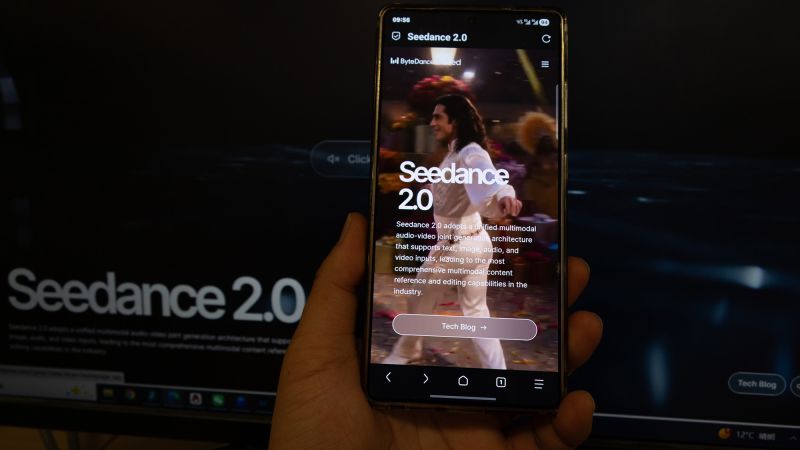
In recent weeks, a new artificial intelligence tool developed by Chinese tech giant ByteDance, known as Seedance 2.0, has taken the world by storm, particularly in the entertainment industry. This innovative AI video generation model has raised eyebrows not only for its impressive capabilities but also for the implications it holds for intellectual property and the future of Hollywood. As the technology sector in China continues to evolve rapidly, the question arises: will this advancement lead to a slowdown in the tech sector, or will it spur further innovation?
The Rise of Seedance 2.0
Seedance 2.0 has quickly gained recognition as one of the most advanced AI video generation tools available today. It allows users to create cinematic videos featuring celebrities and characters in various scenarios, utilizing images, audio, video, and text prompts. The ease of use and the realistic quality of the generated videos have made it a favorite among tech enthusiasts and content creators alike.
In just a short time, Seedance 2.0 has produced viral content that showcases its capabilities. For instance, videos featuring Tom Cruise and Brad Pitt in action-packed scenes or Donald Trump engaging in kung-fu battles have captivated audiences online. This rapid proliferation of AI-generated content has sparked concerns within Hollywood, leading to significant pushback from major studios.
Hollywood’s Response
Following the release of Seedance 2.0, major media companies such as Paramount and Disney swiftly issued cease-and-desist letters to ByteDance. They accused the company of infringing upon their intellectual property rights, highlighting the unauthorized use of copyrighted works in the AI-generated content. The Motion Picture Association and the labor union SAG-AFTRA also voiced their concerns, emphasizing the potential threat posed by AI-generated media to the traditional entertainment landscape.
In response to the backlash, ByteDance acknowledged the concerns raised by Hollywood and stated that it would enhance its safeguards to protect intellectual property. However, the specifics of these measures remain unclear, leaving many in the industry skeptical about the company’s commitment to addressing these issues.
The Implications of AI Technology
The emergence of Seedance 2.0 is part of a broader trend in which Chinese technology companies are racing to dominate the AI industry. The Chinese government has prioritized advanced technology as a key component of its national development strategy, leading to rapid advancements in AI capabilities. This competition has drawn parallels to the historic space race between the United States and the Soviet Union, with both nations striving to outpace each other in technological innovation.
Experts have noted that the rapid release of AI technologies, such as Seedance 2.0, raises significant concerns. Ramesh Srinivasan, a professor of information studies at UCLA, remarked on the nationalist fervor surrounding the race for AI supremacy, suggesting that the stakes are high as countries vie for technological dominance.
Concerns Over Deepfakes and Privacy
One of the most alarming aspects of Seedance 2.0 is its ability to generate realistic audio and video, including deepfakes that could potentially infringe on individuals’ privacy. A Chinese tech blogger demonstrated this capability by creating a digital avatar that mimicked his voice based solely on an image of him. This incident raised fears about the potential misuse of such technology for malicious purposes, including identity theft and misinformation.
In light of these concerns, ByteDance took action by rolling back certain features of Seedance 2.0. The company introduced verification requirements for users who wish to create digital avatars using their own images and audio, aiming to mitigate the risks associated with deepfakes and unauthorized representations.
Regulatory Measures and Industry Standards
The rapid advancements in AI technology have prompted calls for stricter regulations and industry standards. As concerns over intellectual property and privacy continue to mount, both domestic and international stakeholders are advocating for clearer guidelines governing the use of AI-generated content.
In China, the government has begun to tighten regulations surrounding AI content. This includes measures to ensure that AI-generated media is properly labeled and that users are aware of the potential implications of using such technology. Popular Chinese social media platforms, such as RedNote, have also implemented restrictions on AI-generated content that has not been adequately labeled, reflecting a growing awareness of the need for responsible AI usage.
Global Reactions and Future Outlook
The introduction of Seedance 2.0 has elicited mixed reactions from the global community. While some view it as a groundbreaking advancement in AI technology, others express concern about the potential ramifications for the entertainment industry and society at large. As the technology continues to evolve, it is crucial for stakeholders to engage in meaningful discussions about the ethical implications of AI and the need for robust regulatory frameworks.
Looking ahead, the future of AI in the entertainment industry remains uncertain. As companies like ByteDance continue to innovate, the potential for disruption in traditional media models is significant. The balance between fostering innovation and protecting intellectual property rights will be a key challenge for both the tech sector and the entertainment industry.
Frequently Asked Questions
Seedance 2.0 is an advanced AI video generation model developed by ByteDance that allows users to create realistic videos using images, audio, video, and text prompts.
Hollywood has reacted strongly by sending cease-and-desist letters to ByteDance, accusing the company of infringing on intellectual property rights and unauthorized use of copyrighted works.
ByteDance has stated that it will enhance safeguards to protect intellectual property and has rolled back certain features of Seedance 2.0 to mitigate risks associated with deepfakes and unauthorized representations.
Call To Action
As the landscape of AI technology continues to evolve, it is essential for businesses and stakeholders to stay informed and engaged in discussions about the ethical implications and regulatory measures needed to navigate this new frontier.
Note: The rapid advancements in AI technology present both opportunities and challenges. It is crucial for industries to adapt and establish frameworks that ensure responsible use of these technologies while fostering innovation.