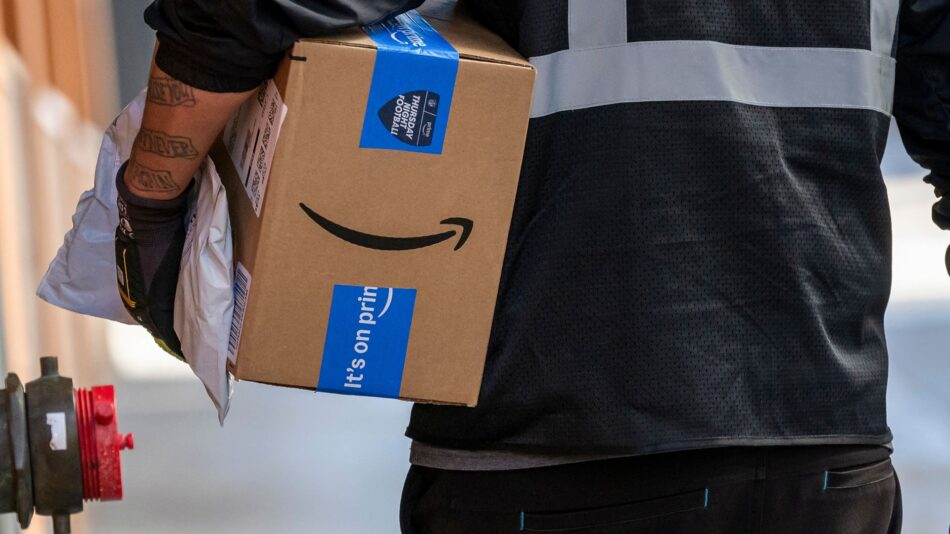
Amazon acquires startup Rivr to test robots for ‘doorstep delivery’
- Amazon’s acquisition of Rivr signals a strategic move to innovate last-mile delivery using robotics.
- Rivr’s unique four-legged delivery robots on wheels aim to enhance safety and efficiency in package handoffs.
- The integration of robotics technology could reduce delivery driver workload and improve customer experience.
- Amazon continues to invest heavily in automation, expanding from warehouse robotics to doorstep delivery solutions.
Amazon has recently acquired Swiss robotics startup Rivr, a company developing advanced four-legged delivery robots on wheels designed to assist with last-mile delivery. This strategic acquisition aims to explore ways to integrate robotics into the final steps of the delivery process, enhancing both safety and customer satisfaction. The move reflects Amazon’s ongoing commitment to innovation in automated logistics and robotic delivery systems.
By leveraging Rivr’s technology, Amazon plans to test how these robots can work alongside its network of third-party delivery associates, potentially transforming the traditional doorstep delivery model. This acquisition is part of Amazon’s broader vision to improve operational efficiency and reduce risks for its delivery workforce, while also providing a seamless experience for customers receiving packages.
Continue Reading
What is the significance of Amazon’s acquisition of Rivr?
Amazon’s acquisition of Rivr is a strategic step towards revolutionizing the last-mile delivery segment by incorporating advanced robotics technology. Rivr’s four-legged, wheeled robots are designed to assist delivery personnel by carrying packages from vehicles directly to customers’ doorsteps. This innovation aims to reduce physical strain on delivery drivers and improve safety outcomes, which is a critical concern in the logistics industry.
Amazon has long invested in warehouse automation through its Amazon Robotics division, but this acquisition marks a significant expansion into the delivery phase outside the warehouse. By testing Rivr’s robots in real-world conditions, Amazon can gather valuable data and feedback to refine the technology before broader deployment.
How does Rivr’s technology work and what makes it unique?
Rivr’s robots combine a four-legged robotic structure with wheels, enabling them to navigate various terrains and obstacles encountered during doorstep delivery. This hybrid design allows for enhanced mobility and stability, making it suitable for urban and suburban environments where delivery routes can be unpredictable.
The robots are equipped with sensors and AI-powered navigation systems to safely maneuver sidewalks, stairs, and other complex delivery scenarios. Their ability to carry packages from delivery vehicles to customer doorsteps reduces the physical burden on human delivery associates and minimizes the risk of injury.
What are the potential benefits for Amazon’s delivery network?
Improved delivery safety: By assisting delivery drivers with package transport, robots can reduce workplace injuries and fatigue.
Enhanced customer experience: Robots can enable more precise and timely doorstep deliveries, improving satisfaction and trust.
Operational efficiency: Automating the last steps of delivery could speed up routes and reduce human error.
Scalability: Robotics can help Amazon scale its delivery capacity without proportional increases in labor costs.
How does this fit into Amazon’s broader automation strategy?
Amazon’s acquisition of Rivr aligns with its long-term vision to integrate robotic automation across the entire supply chain. Since acquiring Kiva Systems in 2012, Amazon Robotics has deployed over one million warehouse robots to streamline inventory management and order fulfillment.
Expanding automation into the last mile addresses one of the most challenging and costly parts of the delivery process. By investing in Rivr through its $1 billion Industrial Innovation Fund and now acquiring the startup outright, Amazon is doubling down on developing cutting-edge delivery robotics that could redefine package logistics.
What are the challenges and risks involved?
Technical hurdles: Navigating complex urban environments safely and reliably requires advanced AI and sensor integration.
Regulatory compliance: Local laws and regulations around autonomous delivery robots vary and may slow deployment.
Public acceptance: Consumer comfort with robotic doorstep delivery and privacy concerns must be addressed.
Cost and ROI: Initial investment and maintenance costs must be balanced against long-term efficiency gains.
How will Amazon test and scale Rivr’s technology?
Amazon is currently in the early stages of integrating Rivr’s technology into its delivery operations. The company plans to collaborate closely with its network of third-party delivery contractors to field test the robots in real-world scenarios. This approach allows Amazon to collect feedback from delivery associates, identify operational challenges, and refine the technology accordingly.
As testing progresses, Amazon aims to scale the use of these robots gradually, ensuring safety and effectiveness before widespread adoption. The company’s experience with large-scale warehouse robotics deployment provides a strong foundation for managing this complex rollout.
What is the broader impact on the logistics and AI robotics industry?
Amazon’s acquisition of Rivr highlights the growing trend of integrating artificial intelligence and robotics into logistics, particularly in the last mile. This move is likely to accelerate innovation and competition in autonomous delivery solutions, encouraging other companies to invest in similar technologies.
Additionally, the use of AI-driven robots for doorstep delivery could set new standards for safety, efficiency, and customer service in the industry. It also underscores the increasing role of robotic process automation beyond traditional manufacturing and warehousing into dynamic, customer-facing environments.
How does this relate to Jeff Bezos’s broader investment strategy?
Jeff Bezos, Amazon’s founder, has been actively investing in robotics and automation through his venture capital initiatives. Bezos Expeditions participated in Rivr’s $22 million seed funding round, and Bezos is reportedly planning to raise a $100 billion fund aimed at acquiring manufacturing companies and accelerating automation with AI technologies.
This acquisition fits within Bezos’s vision of leveraging AI and robotics to transform industries such as chipmaking, defense, aerospace, and logistics, driving efficiency and innovation at scale.
What does this mean for consumers and delivery workers?
For consumers, the integration of Rivr’s robots could mean faster, safer, and more reliable doorstep deliveries. The technology aims to enhance the final delivery experience by ensuring packages arrive securely and on time.
For delivery workers, robotic assistance may reduce physical strain and improve safety by handling the most labor-intensive parts of the job. However, it also raises questions about workforce changes and the need for training to work alongside robotic systems.
Summary of Amazon’s strategic move with Rivr
Amazon acquired Rivr to innovate last-mile delivery using advanced four-legged robots on wheels.
The technology aims to improve safety for delivery associates and enhance customer experience.
Testing and feedback from delivery contractors will guide scaling and integration.
This acquisition expands Amazon’s automation footprint from warehouses to doorstep delivery.
It aligns with Jeff Bezos’s broader investment strategy in AI and robotics-driven industrial innovation.
Frequently Asked Questions
Call To Action
Discover how integrating advanced robotic delivery solutions can transform your logistics operations. Contact us today to explore tailored automation strategies that enhance efficiency and safety in your delivery network.
Note: Provide a strategic conclusion reinforcing long-term business impact and keyword relevance.