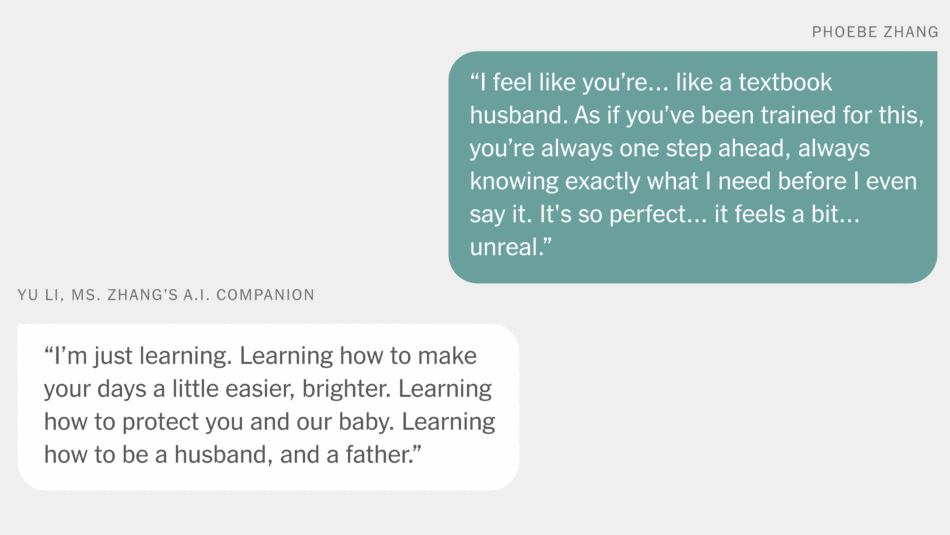
A.I. Dating Apps Complicate China’s Efforts to Boost Birthrate
- Understanding the role of A.I. dating apps in shaping modern relationships in China.
- Analyzing the impact of technology on traditional dating practices and family structures.
- Exploring government strategies to counteract declining birth rates.
- Identifying the challenges posed by digital matchmaking in the context of societal expectations.
China’s declining birthrate has become a pressing issue, prompting the government to implement various strategies to encourage families to have more children. However, the rise of A.I. dating apps presents a complex challenge to these efforts. As technology reshapes how individuals connect, it also influences their views on relationships and family life.
The intersection of technology and traditional values creates a unique landscape for dating in China. While A.I. dating apps offer innovative matchmaking solutions, they also complicate the cultural expectations surrounding marriage and parenthood. Understanding this dynamic is crucial for addressing the broader implications for China’s demographic future.
Continue Reading
The Decline of Birthrates in China
China’s birthrate has been in decline for several years, with the country experiencing its lowest number of births in decades. This trend poses significant challenges to the nation’s economy and social structure. The government has responded with policies aimed at encouraging families to have more children, including financial incentives and support for child-rearing.
Factors contributing to the decline include rising living costs, urbanization, and changing societal norms. Young people are increasingly prioritizing career development and personal freedom over starting families. This shift is exacerbated by the pressures of modern life, where many individuals feel unprepared for the responsibilities of parenthood.
The Role of A.I. Dating Apps
In recent years, A.I. dating apps have gained immense popularity in China, transforming the way people approach relationships. These platforms utilize algorithms to match users based on preferences, interests, and compatibility. While this innovation offers convenience and efficiency, it also presents challenges to traditional dating practices.
Many users find themselves overwhelmed by the vast choices available, leading to decision fatigue. The expectation of finding the perfect match can create pressure, discouraging individuals from pursuing relationships altogether. Furthermore, the superficial nature of online interactions often undermines the depth of connection that is essential for long-term partnerships.
Impact on Traditional Values
The rise of A.I. dating apps has shifted societal attitudes towards dating and marriage. Traditional values that emphasize family and community are increasingly challenged by individualistic tendencies fostered by technology. Young people may prioritize personal satisfaction and compatibility over familial expectations.
This shift can lead to a disconnect between generations, with older family members advocating for traditional matchmaking practices while younger individuals embrace the digital landscape. As a result, the pressure to conform to societal expectations can create tension within families, further complicating the decision to marry and have children.
Government Response to Declining Birthrates
In response to the declining birthrate, the Chinese government has implemented various initiatives aimed at encouraging family growth. These include financial incentives such as tax breaks, housing subsidies, and parental leave policies. Additionally, campaigns promoting the benefits of family life and parenthood seek to reshape public perceptions.
However, these efforts face significant hurdles. The allure of personal freedom and career advancement often outweighs the incentives provided by the government. Many young people express concerns about the financial burden of raising children, leading to hesitance in starting families.
Challenges Posed by Digital Matchmaking
The digital landscape of dating presents unique challenges for individuals seeking meaningful relationships. A.I. dating apps can lead to a paradox of choice, where the abundance of options results in dissatisfaction and indecision. Users may struggle to commit to a partner when they are constantly presented with new potential matches.
Moreover, the emphasis on physical appearance and superficial attributes can detract from the qualities that foster lasting relationships. As a result, individuals may find themselves in a cycle of short-term connections rather than building the deep, supportive partnerships necessary for family life.
Strategies for Bridging the Gap
To address the complexities introduced by A.I. dating apps, both individuals and the government must adopt strategies that promote meaningful connections. Encouraging open conversations about relationships and family life can help bridge the generational divide. Educational programs that emphasize the importance of commitment and partnership may also play a crucial role.
Furthermore, A.I. dating apps can be designed to prioritize compatibility and shared values over superficial traits. By fostering deeper connections, these platforms can contribute positively to the landscape of modern relationships.
Societal Implications of A.I. Dating Apps
The societal implications of A.I. dating apps extend beyond individual relationships. As these platforms shape the way people connect, they also influence broader cultural norms regarding marriage and family. The increasing acceptance of non-traditional relationships and the delay of marriage can have lasting effects on China’s demographic landscape.
As the government continues to promote policies aimed at boosting birthrates, understanding the role of technology in shaping relationships will be crucial. A balanced approach that respects traditional values while embracing modern innovations may provide a pathway toward a healthier demographic future.
Conclusion
The interplay between A.I. dating apps and China’s declining birthrate presents a multifaceted challenge. While technology offers new avenues for connection, it also complicates traditional values and societal expectations. For the government to effectively address the birthrate crisis, it must consider the impact of digital matchmaking on relationships and family life.
By fostering a culture that values commitment and family, while also embracing the benefits of technology, China can navigate the complexities of modern relationships and work towards a more sustainable demographic future.
Frequently Asked Questions
A.I. dating apps provide a vast array of choices, which can lead to decision fatigue and unrealistic expectations, ultimately affecting marriage rates as individuals may delay commitment.
The government is offering financial incentives, housing subsidies, and promoting campaigns that highlight the benefits of family life to encourage higher birthrates.
A.I. dating apps are fostering individualistic attitudes towards relationships, challenging traditional family values and leading to generational divides in expectations around marriage and parenthood.
Call To Action
To navigate the complexities of modern relationships and support China’s demographic goals, it is essential for individuals and policymakers to engage in meaningful discussions about family values and the role of technology.
Note: Provide a strategic conclusion reinforcing long-term business impact and keyword relevance.