Play It Again, Claude
- Human creativity and presence remain irreplaceable despite advances in automation and AI.
- Historical automation of musicianship, like the player piano, did not eliminate demand for human performers.
- Consumer preference for the human touch sustains jobs in arts and service industries.
- Economic growth and income increases correlate with greater demand for personalized human services.
The story of the player piano illustrates a fascinating paradox: even though technology once automated the role of the pianist, live musicians remain prevalent and valued today. This phenomenon highlights a broader economic and social truth about the limits of automation and the enduring demand for human involvement in creative and service roles.
As artificial intelligence continues to advance, concerns about widespread job displacement grow. However, history and current labor trends suggest that while AI will transform many tasks, the desire for authentic human experiences and interactions will preserve numerous roles that machines cannot fully replace. Understanding this dynamic is crucial for businesses, workers, and policymakers navigating the evolving labor market.
Continue Reading
How Did the Player Piano Change the Role of Musicians?
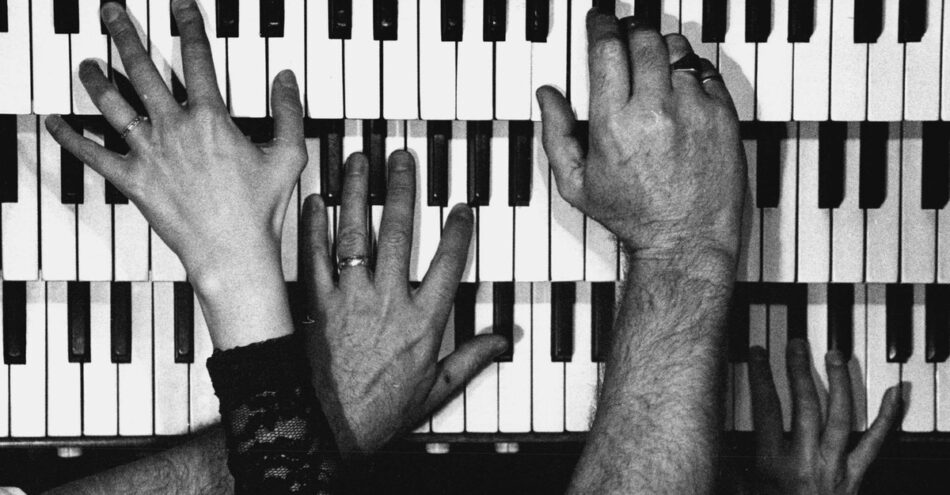
The player piano, invented over a century ago, automated the act of playing music by using encoded rolls of paper to trigger piano keys. Initially, a human was needed to operate the foot pedal that powered the mechanism, but technological improvements soon eliminated even this role. By the 1920s, the player piano could replicate complex performances, including dynamics and tempo changes, effectively replacing the need for a live pianist in many contexts.
Despite this automation, the player piano did not eradicate the profession of musicianship. Instead, it sparked a new appreciation for live performance as a unique experience that machines could not fully replicate. This historical example underscores how technological innovation can displace certain tasks while simultaneously creating or preserving demand for human skills in other areas.
Why Has Live Music Persisted Despite Technological Advances?
Live music has endured because audiences value the authenticity and spontaneity of human performers. The Russian composer Igor Stravinsky famously composed pieces specifically for player pianos, acknowledging their ability to exceed human physical limits. Yet, even with this recognition, live pianists remain common in venues worldwide, from intimate bars to grand concert halls.
This persistence is partly due to the consumer demand for the “who” behind the music, not just the sound itself. The emotional connection, interpretation, and presence of a human musician provide an experience that recorded or automated music cannot fully replace. This principle extends beyond music to many service sectors where the human element is a valued component of the product.
What Lessons Does the Player Piano Offer for AI and Job Automation?
The player piano’s history offers valuable insights for understanding the future impact of AI on employment. While AI and automation can replace specific tasks, they rarely eliminate the entire job or the broader demand for human labor. Instead, they often shift the nature of work, requiring humans to focus on areas where their presence and creativity are irreplaceable.
For example, musicians lost some roles to recorded music and automation but gained others as society’s wealth and leisure activities expanded. The total number of people employed as musicians today is higher than ever, reflecting the growth of new opportunities alongside technological change.
How Does Consumer Preference Influence Job Sustainability?
Consumer preferences play a critical role in determining which jobs persist despite automation. People often prefer human interaction and personalized service in many contexts, such as dining, retail, and entertainment. This preference creates a market for roles that machines cannot fully substitute.
For instance, despite the availability of self-service technologies and AI-driven ordering systems, millions of waiters and salespeople remain employed. Higher-income consumers especially tend to demand more personalized and attentive service, which supports a larger workforce in these sectors. The human touch is considered a “normal good,” meaning demand for it rises as income grows.
What Are the Economic Implications of the Human Touch in the Age of AI?
The enduring demand for human labor in certain roles suggests that AI will not lead to total job displacement. Instead, it will cause shifts within the labor market, where some tasks become automated while others become more valuable due to their uniquely human qualities.
This dynamic has important policy implications. Governments and businesses can support workers by facilitating transitions from automated tasks to roles emphasizing human skills. Policies such as progressive taxation, wage subsidies, or direct stimulus payments can help redistribute income and sustain demand for human-centered jobs.
How Can Businesses Leverage the Human Element in an Automated World?
Companies can differentiate themselves by emphasizing the authentic human experience in their products and services. This strategy involves integrating technology to enhance, rather than replace, human interaction. For example, luxury restaurants invest in personalized service staff, and entertainment venues promote live performances to attract audiences seeking unique experiences.
Moreover, businesses can invest in training and development to help employees adapt to changing roles that AI cannot fulfill. Embracing the complementary strengths of humans and machines will be key to sustainable growth and competitive advantage.
What Risks and Challenges Remain in the AI-Driven Labor Market?
While the demand for human labor persists, AI-driven automation still poses risks of displacement in many sectors. Workers performing routine or easily automated tasks may face job loss or wage pressure. The transition to new roles requiring creativity, empathy, or complex judgment may not be seamless for all.
Addressing these challenges requires proactive workforce development, social safety nets, and inclusive economic policies. Ensuring equitable access to education and retraining programs will be essential to help workers thrive alongside AI technologies.
What Does the Future Hold for Human Labor and AI Integration?
The future labor market will likely be characterized by a hybrid model where humans and AI collaborate. AI can augment human capabilities, automate repetitive tasks, and provide data-driven insights, while humans contribute creativity, emotional intelligence, and contextual understanding.
This synergy can lead to new job categories and enhanced productivity. However, it also demands continuous learning and adaptability from workers and thoughtful management from organizations to balance efficiency with human values.
Summary: The Enduring Value of the Human Touch
The history of the player piano and the evolution of the music industry demonstrate that automation does not inevitably eliminate human jobs but reshapes them. The human touch remains a critical asset in many domains, sustained by consumer preferences and economic growth.
As AI continues to transform the workplace, recognizing and investing in uniquely human skills will be vital. By understanding these dynamics, businesses and policymakers can better navigate the challenges and opportunities of the AI era.
Frequently Asked Questions
Call To Action
Discover how your business can harness the power of AI while preserving the invaluable human touch to drive sustainable growth and customer loyalty.
Note: Provide a strategic conclusion reinforcing long-term business impact and keyword relevance.