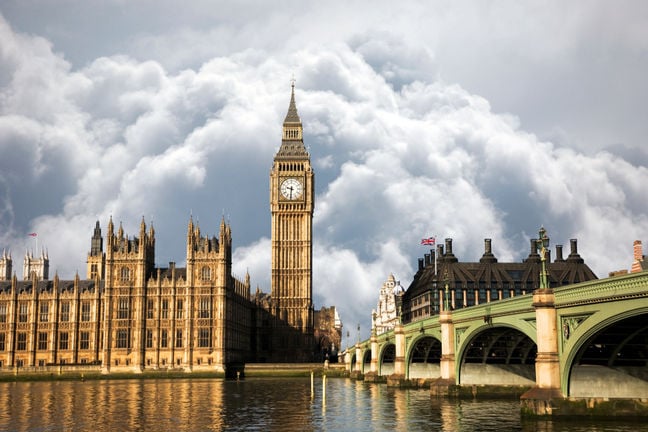

OBR Chairman Quits After Scathing Report Slates Leadership Over Forecast Leak
The recent resignation of Richard Hughes, the Chairman of the Office for Budget Responsibility (OBR), has sent shockwaves through the political landscape of the United Kingdom. This decision comes in the wake of a damning report that highlighted a significant leak of sensitive financial forecasts, which has been described as the “worst failure” in the history of the organization. This article delves into the details of the leak, the implications of Hughes’s resignation, and the broader context surrounding the OBR’s operations.
Background of the OBR
The Office for Budget Responsibility was established in 2010 as an independent body tasked with overseeing the UK government’s fiscal policy. Its primary role is to provide economic forecasts and assessments of the public finances, which are crucial for informing government policy and ensuring transparency in fiscal matters. The OBR’s forecasts are particularly significant as they influence budgetary decisions and economic planning.
The Forecast Leak Incident
On a pivotal day in the UK political calendar, the OBR inadvertently released its November Economic and Fiscal Outlook (EFO) for 38 minutes before the official announcement. This premature disclosure allowed journalists, Members of Parliament (MPs), and the public to access sensitive information nearly an hour before it was meant to be revealed by the Chancellor of the Exchequer, Rachel Reeves, in the House of Commons.
The leak was not merely a minor error; it was a significant breach of protocol that raised serious concerns about the security and integrity of the OBR’s operations. An investigation led by Professor Ciaran Martin, the former head of the National Cyber Security Centre, revealed that this was not an isolated incident. It marked the second time sensitive information had been accidentally leaked by the OBR, raising questions about the organization’s internal controls and cybersecurity measures.
Investigation Findings
Professor Martin’s investigation uncovered that the leak was not the result of hostile cyber activity or insider wrongdoing. Instead, it was attributed to longstanding technical vulnerabilities within the OBR’s website, which was managed locally and relied on misconfigured WordPress tools intended to keep documents hidden from public access. Staff members believed that their system adequately protected sensitive files, but in reality, the security features were not programmed correctly.
Logs indicated that attempts to access the EFO began as early as 5:16 AM on the day of the budget announcement, with 44 unsuccessful requests recorded before the document was uploaded shortly after 11:30 AM. Once uploaded, the forecast could be accessed without authentication, leading to 43 downloads from 32 unique IP addresses. The OBR staff only became aware of the leak after Treasury officials alerted them to the live URL shortly before noon.
Consequences of the Leak
The leak triggered a chaotic response within the OBR, as staff scrambled to remove the document from public view. However, the website struggled to handle the increased traffic, complicating efforts to secure the sensitive information. The PDF was renamed and subsequently removed shortly after 12:07 PM, but by that time, the Internet Archive had already cached the document, making it accessible to anyone who sought it out.
The report concluded that this incident represented a systemic failure within the OBR, marking it as the most severe breach in its 15-year history. Given the high likelihood that similar vulnerabilities could affect other fiscal events, the report called for an urgent forensic digital audit of recent EFO publications. It also recommended that the OBR cease publishing its flagship forecasts on its locally managed WordPress site, which has limited staff resources and relies heavily on a single external web developer.
Calls for Reform and Support
In light of the findings, the report urged the Treasury to provide greater support for the OBR’s publishing and IT capabilities. It emphasized the need for regular independent security reviews to ensure that such breaches do not occur in the future. The limited size of the OBR, with only 52 staff members—six of whom handle operations and communications—was cited as a contributing factor to the organization’s vulnerabilities.
Treasury minister James Murray addressed the Commons, emphasizing the seriousness of the breach and the fundamental responsibility of the OBR to safeguard sensitive information. He confirmed that the government would support a deeper forensic investigation into the OBR’s disclosures and would reach out to previous chancellors to inform them of the developments related to past fiscal events.
Richard Hughes’s Resignation
In the wake of the report, Richard Hughes announced his resignation as Chairman of the OBR, stating that he wanted to enable the organization to “quickly move on” from the regrettable incident. In his letter to Chancellor Reeves and Treasury select committee chair Dame Meg Hillier, Hughes expressed his commitment to taking responsibility for the shortcomings identified in the report. His resignation reflects the weight of accountability that leaders must bear in the face of significant operational failures.
Implications for the OBR and Future Operations
The OBR’s future operations will likely be affected by the findings of the report and the recommendations for reform. The need for a comprehensive overhaul of the OBR’s IT systems has been underscored, particularly as the organization prepares for the Spring 2026 EFO. The report warns that the vulnerabilities identified could encourage future attempts to access sensitive information prematurely.
The OBR’s independence has been a cornerstone of its operations, but the report suggests that this independence must be balanced with adequate resources and support to ensure the integrity of its forecasts. The integration of the OBR’s wider IT systems into the Treasury’s secure network is a step in the right direction, but the organization must also address its website’s vulnerabilities to prevent future breaches.
Conclusion
The resignation of Richard Hughes marks a significant moment for the Office for Budget Responsibility and highlights the critical importance of cybersecurity and operational integrity in public institutions. As the OBR moves forward, it must prioritize the implementation of the report’s recommendations to restore confidence in its ability to safeguard sensitive financial information.
Note: The events surrounding the OBR leak serve as a reminder of the importance of robust cybersecurity measures and the need for accountability in leadership roles. The future of the OBR will depend on its ability to learn from this incident and strengthen its operational framework.
Frequently Asked Questions
Richard Hughes resigned following a scathing report that identified a significant leak of sensitive financial forecasts, which was deemed the “worst failure” in the OBR’s history. He took responsibility for the shortcomings highlighted in the report to allow the organization to move forward.
The investigation found that the leak was due to longstanding technical vulnerabilities in the OBR’s website, specifically misconfigured WordPress tools. It concluded that there was no evidence of hostile cyber activity or insider wrongdoing, but emphasized the need for a comprehensive overhaul of the OBR’s IT systems.
The report recommended an urgent forensic digital audit of recent EFO publications and called for the OBR to stop publishing forecasts on its locally managed website. It also urged the Treasury to provide greater support for the OBR’s IT capabilities and conduct regular independent security reviews.
Call To Action
To stay informed about the latest developments in fiscal policy and the operations of the Office for Budget Responsibility, consider subscribing to our updates. Your engagement is crucial in fostering transparency and accountability in government financial matters.