My Week of Making TikTok Recipes & Eating Literal AI Slop
- AI-generated recipes often contain inconsistencies that lead to disappointing culinary results.
- Many TikTok food videos use AI-generated voices and visuals, making it hard to trust authenticity.
- Beginners risk wasting ingredients on AI recipes that lack practical testing or accurate instructions.
- Despite the hype, AI in cooking currently struggles with realistic texture, flavor, and step coherence.
In the age of social media, AI-generated recipes have flooded platforms like TikTok, promising quick, innovative dishes with minimal ingredients. However, these recipes often fall short in execution, leaving home cooks with inedible or confusing results. This article explores a week-long experiment testing popular AI-influenced TikTok recipes, revealing the pitfalls and challenges of relying on artificial intelligence for culinary creativity.
From questionable ingredient combinations to AI-generated audio and visuals that mislead viewers, the rise of automated recipe creation raises important questions about the intersection of technology and food culture. Whether you’re a seasoned chef or a curious beginner, understanding the limitations and risks of AI in cooking can help you navigate this evolving digital landscape more wisely.
Continue Reading
What Is AI Slop in the Context of TikTok Recipes?
AI slop refers to low-quality, AI-generated content that inundates social media feeds with often nonsensical or poorly constructed outputs. In the culinary world, this manifests as recipes created or heavily influenced by AI that lack practical feasibility or coherent instructions. These recipes may feature contradictory steps, impossible cooking physics, or ingredient combinations that are unsafe or unappetizing.
On TikTok, many videos showcasing these recipes use AI-generated voiceovers and visuals, creating an illusion of authenticity that can mislead viewers into attempting dishes that ultimately disappoint or fail.
Why Are AI-Generated Recipes So Problematic?
The main issues with AI-generated cooking content stem from the technology’s current inability to fully understand culinary science, taste profiles, and practical cooking methods. AI models generate content based on patterns in existing data but lack real-world testing or sensory feedback.
- Inconsistent instructions: Recipes may omit critical steps or include contradictory directions.
- Unsafe ingredient combinations: Some AI recipes have suggested dangerous mixes, such as combining bleach and ammonia.
- Misleading visuals and audio: AI-generated videos may show unrealistic food textures or use synthetic sounds that don’t match the actual dish.
- Lack of flavor and texture accuracy: AI cannot yet replicate the nuance of taste or the chemistry of cooking processes.
Case Study: Testing AI-Influenced TikTok Recipes
3-Ingredient Cottage Cheese Garlic Breadsticks
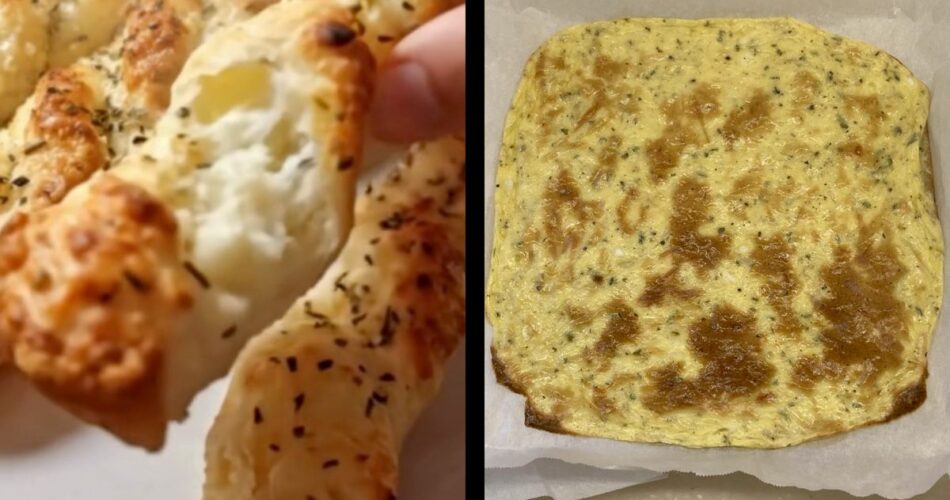
This recipe promised a simple, cheesy, and high-protein snack made from cottage cheese, egg, and mozzarella, with optional garlic powder. The video featured AI-generated voiceover and food sounds, and the visuals showed an exaggerated cheese pull that seemed too good to be true.
Upon testing, the batter was loose and difficult to shape. After baking, the result was an eggy, herb-flavored sheet rather than breadsticks. Attempts to twist the strips caused them to fall apart, and the taste resembled a bland omelet more than a satisfying snack.
Rating: 0 out of 5 AI-generated thumbs. This experiment highlights how AI can produce recipes that look appealing but fail in practical cooking.
Protein-Pancake Bites with Cottage Cheese
Another AI-influenced recipe involved blending cottage cheese with other ingredients and baking the mixture in a muffin tin to create “pancake bites.” Although the recipe was easy to assemble, the texture was dense and lacked the fluffiness expected from pancakes. The flavor was mild, dominated mainly by added maple syrup and blueberries.
While edible, the final product did not match the enticing visuals from the TikTok video and lacked the expected lightness and taste complexity.
Rating: 2.5 out of 5 AI-generated thumbs. This recipe was somewhat successful but still fell short of expectations.
How to Identify AI-Generated Recipes on Social Media
Spotting AI-generated or influenced recipes can save you time and ingredients. Here are some tips:
- Check for inconsistent or missing instructions: AI recipes often skip essential steps or contradict themselves.
- Look for synthetic audio or voiceovers: AI-generated voices may sound robotic or unnatural.
- Analyze visuals carefully: Overly perfect or physics-defying food pulls and textures may indicate AI manipulation.
- Research the creator: Accounts using AI-generated profile photos or lacking personal content may rely heavily on AI content.
Practical Advice for Cooking with AI-Generated Recipes
While AI can be a helpful tool for inspiration, it should not replace tested recipes or culinary knowledge. Here are strategies to mitigate risks:
- Cross-reference recipes: Verify AI-generated recipes against trusted sources or cookbooks.
- Start small: Test new AI recipes with small ingredient quantities to minimize waste.
- Adjust and experiment: Use your judgment to modify ingredient amounts or cooking times.
- Engage with cooking communities: Seek feedback from experienced cooks who can validate or improve AI recipes.
The Broader Impact of AI on Food Culture and Social Media
AI’s infiltration into food content creation reflects larger trends in digital media. The drive for viral, quick content combined with AI’s ability to generate massive volumes of posts has diluted quality and authenticity. This phenomenon affects both creators and consumers:
- Creators face pressure to produce content rapidly, sometimes relying on AI tools that compromise quality.
- Consumers encounter a flood of unreliable recipes, leading to frustration and skepticism.
- The culinary arts risk losing nuance and tradition as AI-generated content prioritizes novelty over substance.
Addressing these challenges requires a balanced approach that embraces AI’s potential while maintaining human oversight and expertise.
What Does the Future Hold for AI in Cooking?
AI technology continues to evolve, and future advancements may improve recipe accuracy, personalization, and culinary innovation. Potential developments include:
- Enhanced sensory data integration: AI systems that incorporate taste, texture, and aroma profiles for better recipe development.
- Collaborative cooking assistants: Tools that guide users step-by-step with real-time feedback and adjustments.
- Sustainable ingredient optimization: AI-driven meal planning focused on reducing waste and environmental impact.
Until then, cautious experimentation and critical evaluation remain essential when engaging with AI-generated culinary content.
Frequently Asked Questions
Call To Action
Explore how integrating human expertise with AI-powered recipe development can enhance your culinary content strategy and deliver authentic, engaging experiences to your audience.
Note: Provide a strategic conclusion reinforcing long-term business impact and keyword relevance.