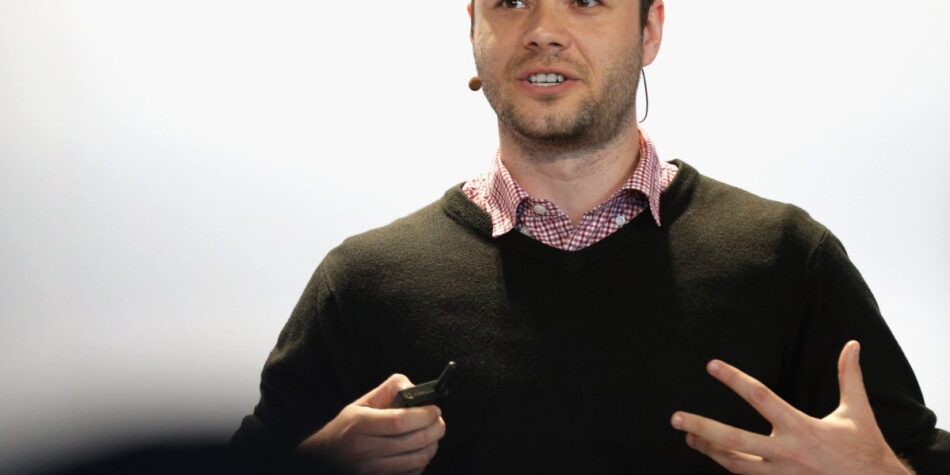
‘Mr AI’ Peter Thiel Lectures About Antichrist in Rome
- Peter Thiel’s recent lecture in Rome combined Artificial Intelligence insights with religious and philosophical themes.
- The talk sparked debate on the intersection of technology ethics and cultural narratives.
- Thiel’s perspectives highlight the growing influence of AI leadership figures in global ideological discussions.
- The event underscores the challenges of balancing innovation with societal values in the age of AI governance.
Peter Thiel, often dubbed ‘Mr AI’ for his pioneering role in technology and investment, recently delivered a provocative lecture in Rome that intertwined themes of Artificial Intelligence advancements with the concept of the antichrist, sparking widespread discussion. The event attracted attention not only for its unusual thematic blend but also for what it reveals about the cultural and ethical dimensions of AI leadership today.
As AI technologies continue to evolve rapidly, voices like Thiel’s challenge us to consider the broader implications of innovation beyond mere technical progress. His lecture in one of the world’s historical centers of religion and philosophy serves as a reminder of the complex dialogue between AI ethics, societal fears, and the future of human values.
Continue Reading
Who Is Peter Thiel and Why Is He Called ‘Mr AI’?
Peter Thiel is a renowned entrepreneur, investor, and co-founder of PayPal, known for his early investments in transformative technologies. His moniker ‘Mr AI’ stems from his significant involvement in funding and promoting Artificial Intelligence startups and his vocal stance on the future impact of AI on society and economics. Thiel’s influence extends beyond technology into political and philosophical realms, making his perspectives highly influential in shaping public discourse.
What Was the Core Message of Thiel’s Lecture in Rome?
Thiel’s lecture in Rome was notable for its fusion of AI innovation discussions with religious symbolism, particularly the concept of the antichrist. He used this metaphor to warn about the potential dangers of unchecked technological power and the ethical void that can emerge when innovation outpaces moral guidance. His argument emphasized the need for responsible AI development and the risks of allowing technology to become a force that undermines human values and societal cohesion.
Balancing Technology and Ethics
Thiel urged stakeholders in the AI ecosystem—developers, investors, policymakers—to consider the ethical frameworks guiding their work. He highlighted that without robust AI governance and ethical oversight, technology could be misused or lead to unintended consequences that mirror dystopian fears often depicted in cultural narratives.
Why Rome? The Symbolism Behind the Venue
Choosing Rome as the lecture venue was symbolic. As a city that embodies centuries of religious, political, and philosophical history, Rome provided a powerful backdrop for Thiel’s message. The juxtaposition of ancient religious themes with cutting-edge AI technology discussions created a compelling narrative about continuity and change in human civilization.
Implications for AI Leadership and Public Perception
Thiel’s public blending of AI strategy with apocalyptic imagery has significant implications. It reflects a growing trend where tech leaders are not only shaping innovation but also influencing cultural and ideological debates. This raises questions about the role of prominent figures in steering public opinion and policy on AI regulation and societal impact.
Strategic Influence and Risks
- AI leadership figures wield considerable power in setting agendas that affect global technology adoption.
- Mixing technology discourse with religious or ideological themes can polarize public opinion and complicate policy consensus.
- There is a risk that fear-based narratives might overshadow balanced discussions about the benefits and challenges of AI.
How Does This Affect the Future of AI Ethics and Governance?
Thiel’s lecture underscores the urgency of integrating ethical considerations into the core of AI development. It calls for:
- Enhanced AI governance frameworks that address moral and societal risks.
- Greater collaboration between technologists, ethicists, and policymakers to create sustainable innovation paths.
- Public engagement to demystify AI and reduce fear-driven misconceptions.
Practical Steps Forward
Organizations and governments can take actionable steps such as:
- Implementing transparent AI impact assessments.
- Establishing multidisciplinary ethics boards for AI projects.
- Promoting education initiatives to increase AI literacy among the public.
What Are the Broader Cultural and Business Impacts?
The intersection of AI innovation and cultural narratives, as exemplified by Thiel’s lecture, influences both market dynamics and societal trust. Businesses engaged in AI must navigate:
- Consumer concerns fueled by ethical debates and symbolic fears.
- The need for clear communication about AI’s benefits and limitations.
- Strategic alignment with emerging AI policy and regulatory environments.
ROI and Scalability Considerations
Ethically guided AI development can enhance brand reputation and long-term ROI by building consumer trust. Scalable AI solutions that incorporate ethical safeguards are more likely to gain regulatory approval and public acceptance, supporting sustainable growth.
Conclusion: Navigating the Complex AI Landscape
Peter Thiel’s lecture in Rome highlights the multifaceted challenges of leading in the AI era. The blend of technology, ethics, and cultural symbolism calls for a nuanced approach to innovation—one that respects human values while embracing technological progress. As AI continues to reshape industries and societies, leaders must prioritize responsible development, transparent governance, and inclusive dialogue to ensure a positive future.
Frequently Asked Questions
Call To Action
Explore how your organization can lead responsibly in the evolving AI landscape by integrating ethical frameworks and strategic governance for sustainable innovation.
Note: Provide a strategic conclusion reinforcing long-term business impact and keyword relevance.