
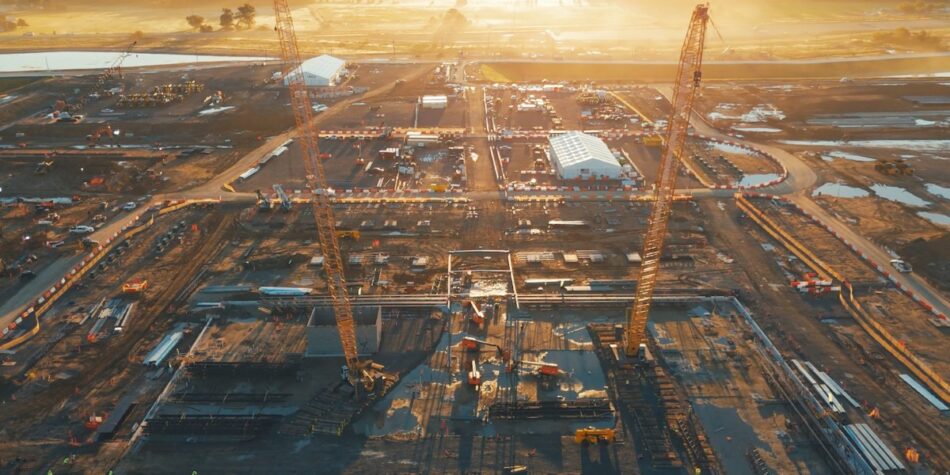
Meta’s $27 billion AI data center is causing chaos in small town Louisiana
- Local businesses experience mixed impacts from Meta’s massive AI data center construction.
- Increased demand for services contrasts with challenges posed by corporate outsourcing and high fees.
- Community concerns arise over transparency, environmental impact, and long-term economic benefits.
- The AI infrastructure boom reflects broader national trends in technology investment and regional development.
Meta’s ambitious $27 billion investment in the Hyperion AI data center in Richland Parish, Louisiana, has transformed the rural community in unprecedented ways. While some local entrepreneurs have seized new economic opportunities, others face setbacks due to corporate catering contracts and logistical challenges. The project’s scale and rapid development have sparked debate about who truly benefits from such mega-scale AI infrastructure investments.
This development highlights the complex interplay between AI data center construction, local economic growth, and community sustainability in small-town America. As the AI boom accelerates nationwide, Richland Parish serves as a microcosm of the promises and pitfalls that accompany the artificial intelligence infrastructure revolution.
Continue Reading
What is Meta’s Hyperion AI data center project?
Meta’s Hyperion project is a sprawling AI data center campus spanning 2,250 acres and encompassing 4 million square feet of facilities in Richland Parish, northeast Louisiana. Initially announced in December 2024 with a $10 billion investment, the project has since expanded into a joint venture with Blue Owl Capital, targeting up to $27 billion in total development costs. Designed to support Meta’s growing AI operations, Hyperion represents the company’s largest data center to date and is part of a broader national surge in AI infrastructure investment.
How has the Hyperion construction impacted Richland Parish’s local economy?
The construction phase has brought thousands of workers and significant demand for goods and services to a region that has long struggled with economic decline and population loss. Local entrepreneurs like Tim and Lindsey Allen, who run Holy Tacos, have benefited from the influx by catering to construction crews, turning a small family venture into a thriving business. The Allens’ experience illustrates how AI data center construction can create new opportunities for local suppliers and service providers.
However, the economic boost is uneven. Other local businesses, such as Opal’s Orange Food Truck owned by Katie and Logan Stewart, initially saw high demand but later suffered when major contractors outsourced catering to out-of-state companies and imposed costly fees for food truck parking near the site. This dynamic underscores the challenges small businesses face in competing with large corporate vendors during mega-projects.
Why are some residents concerned about the Hyperion project?
Despite the economic activity, many residents express anxiety over the project’s rapid development and its long-term implications. Key concerns include:
- Community disruption from increased traffic, noise, and environmental strain during construction.
- Rising local housing costs and potential displacement due to demand from construction workers.
- Limited job creation once the data center is operational, as such facilities typically employ only a few hundred people despite their size.
- Lack of transparency and community involvement in decision-making, with many locals feeling sidelined by political and business elites.
These concerns highlight the tension between short-term economic gains and sustainable, inclusive growth in rural communities hosting large-scale technology infrastructure.
How does the Hyperion project fit into the broader AI data center boom?
Meta’s Hyperion is part of a nationwide surge in AI data center spending, with companies like Google, Amazon, OpenAI, and Anthropic investing heavily in new facilities. Industry projections estimate that AI-related data center capital expenditures will reach $5.2 trillion by 2030, fueled by demand for GPUs, energy infrastructure, and advanced computing capabilities.
This boom is driven by the global race for AI leadership, particularly between the U.S. and China. While these investments generate economic activity and technological advancement, they also raise questions about supply chain dependencies, local economic integration, and environmental sustainability.
What are the challenges of local participation in AI mega-projects?
Many materials and services for Hyperion come from out-of-state or international suppliers, limiting the economic benefits for Richland Parish residents. Specialized components like semiconductors are primarily produced overseas, and large contractors often bring their own catering and logistics teams rather than hiring locally. This trend reflects the globalization of AI infrastructure and corporate consolidation, which can marginalize small communities despite their hosting critical facilities.
Local businesses face hurdles such as high fees for operating near the site, competition from large vendors, and limited access to contracts. Meanwhile, residents bear the social and environmental costs without guaranteed long-term rewards, creating a complex dynamic between community development and corporate expansion.
What are the environmental and social implications of the Hyperion data center?
Data centers like Hyperion consume vast amounts of water and electricity, raising sustainability concerns in rural areas with limited resources. Residents worry about the strain on local infrastructure and natural landscapes, as well as the potential for increased pollution and habitat disruption.
Socially, the influx of construction workers and rapid changes can alter community character, increase housing costs, and create tensions between newcomers and longtime residents. These effects necessitate careful planning and community engagement to ensure that the benefits of AI infrastructure projects are balanced with environmental stewardship and social equity.
How can communities better prepare for AI data center projects?
Effective preparation involves proactive engagement with developers and local governments to secure transparent planning processes, fair contracts for local businesses, and investments in infrastructure and workforce development. Communities should advocate for:
- Inclusive decision-making that incorporates resident input and addresses concerns.
- Local hiring initiatives and support for small business participation in supply chains.
- Environmental impact assessments and sustainable resource management plans.
- Long-term economic diversification strategies to avoid overreliance on single mega-projects.
Such strategies can help rural areas leverage the AI boom for lasting prosperity rather than short-lived disruption.
The future of AI infrastructure in rural America
Meta’s Hyperion data center exemplifies the transformative potential and complex challenges of the AI infrastructure revolution in small-town America. As billions of dollars flow into new facilities nationwide, the experiences of Richland Parish offer valuable lessons about balancing technology investment, community well-being, and sustainable growth.
For local leaders and residents, the key will be to harness the economic opportunities while mitigating risks through strategic planning, transparent governance, and inclusive partnerships. The AI boom is reshaping the economic landscape, but its ultimate success depends on who gets to participate and benefit from this new wave of technological progress.
Frequently Asked Questions
Call To Action
Businesses and community leaders must collaborate to create inclusive strategies that maximize the benefits of AI infrastructure investments while addressing local challenges and sustainability concerns.
Note: Provide a strategic conclusion reinforcing long-term business impact and keyword relevance.